SCHD Dividend Cut -2.7% Maintains 3.25% Yield: Strategic Positioning B

SCHD Dividend Cut -2.7% Maintains 3.25% Yield: Strategic Positioning B

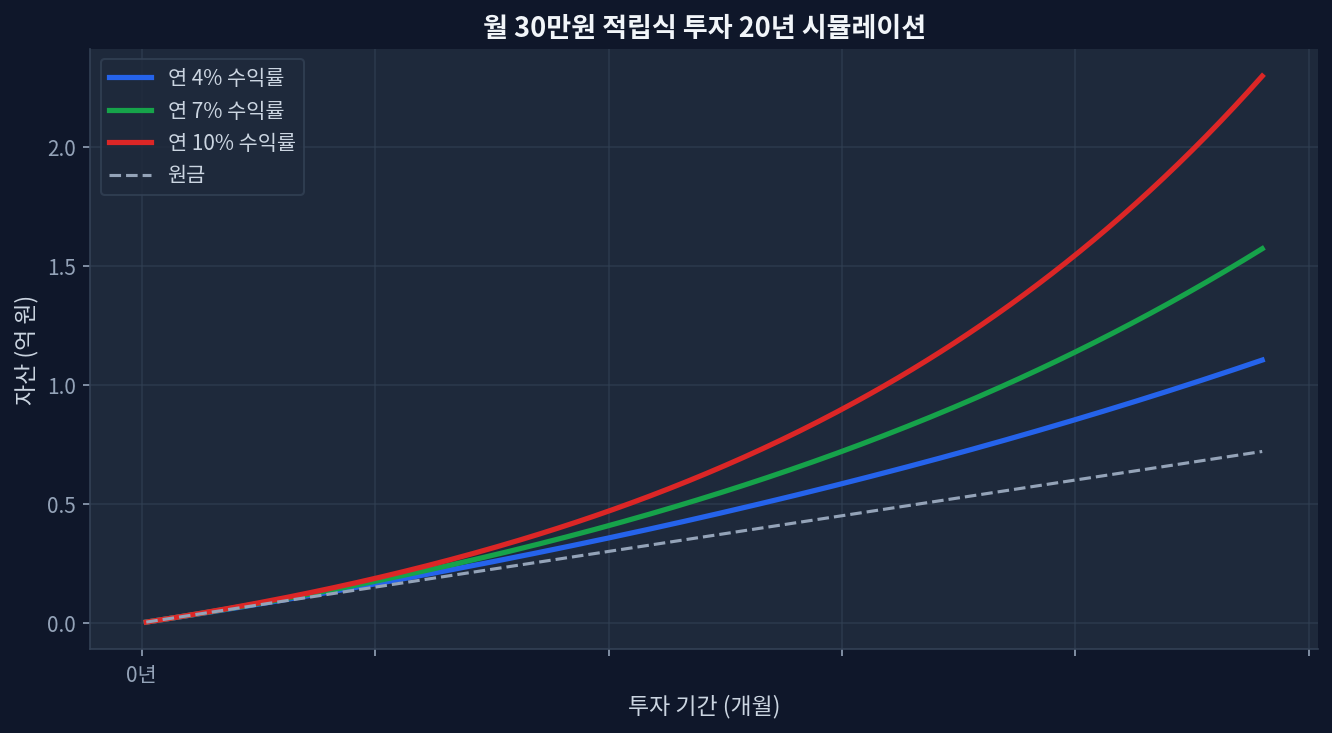
SCHD Quarterly Dividend Cut -2.7% Maintains 3.25% Yield: Strategic Positioning Beyond the Headline Monthly $30K investment 20-year compound growth simulation SCHD quarterly dividend: $0.2530, down -2.7% year-over-year Dividend yield: Still 3.25% — 2.2x higher than VIG's 1.47% 1-year total return: +26.5% (dividends plus price appreciation) Current valuation: P/E 18.8 reflects moderate pricing; near 52-week high at 85.7% percentile Assets under management: $94.9B — scale supporting dividend stability Dividend Reduction: Why It Does Not Signal Distress 20-Year Compounding Simulation: Monthly Dollar-Cost Averaging Strategy Schwab US Dividend Equity ETF (SCHD) announced a quarterly dividend of $0.2530, representing a -2.7% reduction from $0.2600 in the same quarter of 2024. On surface-level headlines, this reads negative — dividends declined. ...

July 2, 2026 · InvestIQs Research
SCHD Quarterly Dividend Cut 2.7% but Yield Holds at 3.25%: Why Dividen

SCHD Quarterly Dividend Cut 2.7% but Yield Holds at 3.25%: Why Dividen

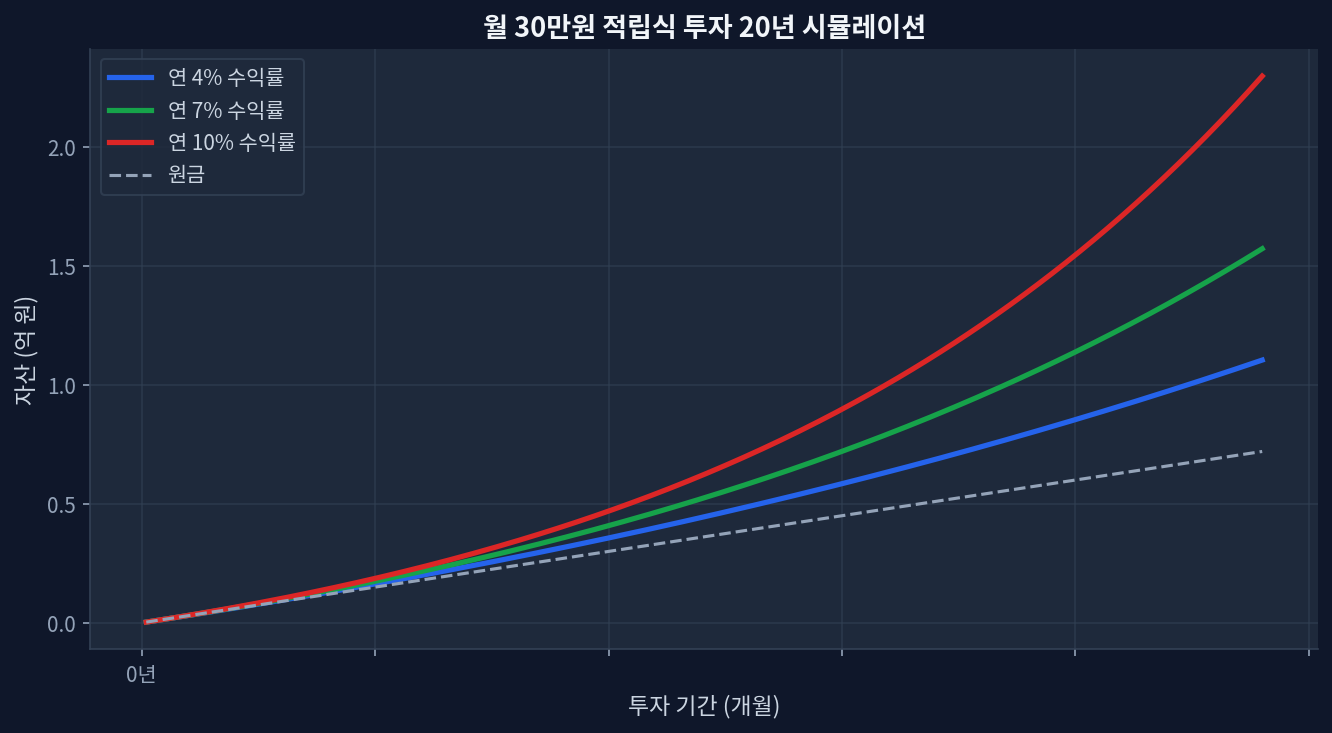
SCHD Quarterly Dividend Cut 2.7% but Yield Holds at 3.25%: Why Dividend Stability Matters More Than Headlines Monthly $30K investment 20-year compound growth simulation SCHD quarterly dividend: $0.2530, down 2.7% year-over-year Dividend yield: Still 3.25% — 2.2x higher than VIG's 1.47% 1-year total return: +26.5% (dividends plus price appreciation) Current valuation: P/E 18.8, moderate range; near 85.7% of 52-week high Assets under management: $94.9B — scale that underpins dividend stability The Dividend Cut That Does Not Look Painful Schwab US Dividend Equity ETF (SCHD) announced a quarterly dividend of $0.2530, down from $0.2600 in the same quarter of 2024—a 2.7% decrease. On the surface, this is negative news. A dividend cut is a dividend cut. ...

June 26, 2026 · InvestIQs Research
SCHD vs High-Growth Dividend ETFs: Tax Efficiency Strategy for 3% Yields

SCHD vs High-Growth Dividend ETFs: Tax Efficiency Strategy for 3% Yields

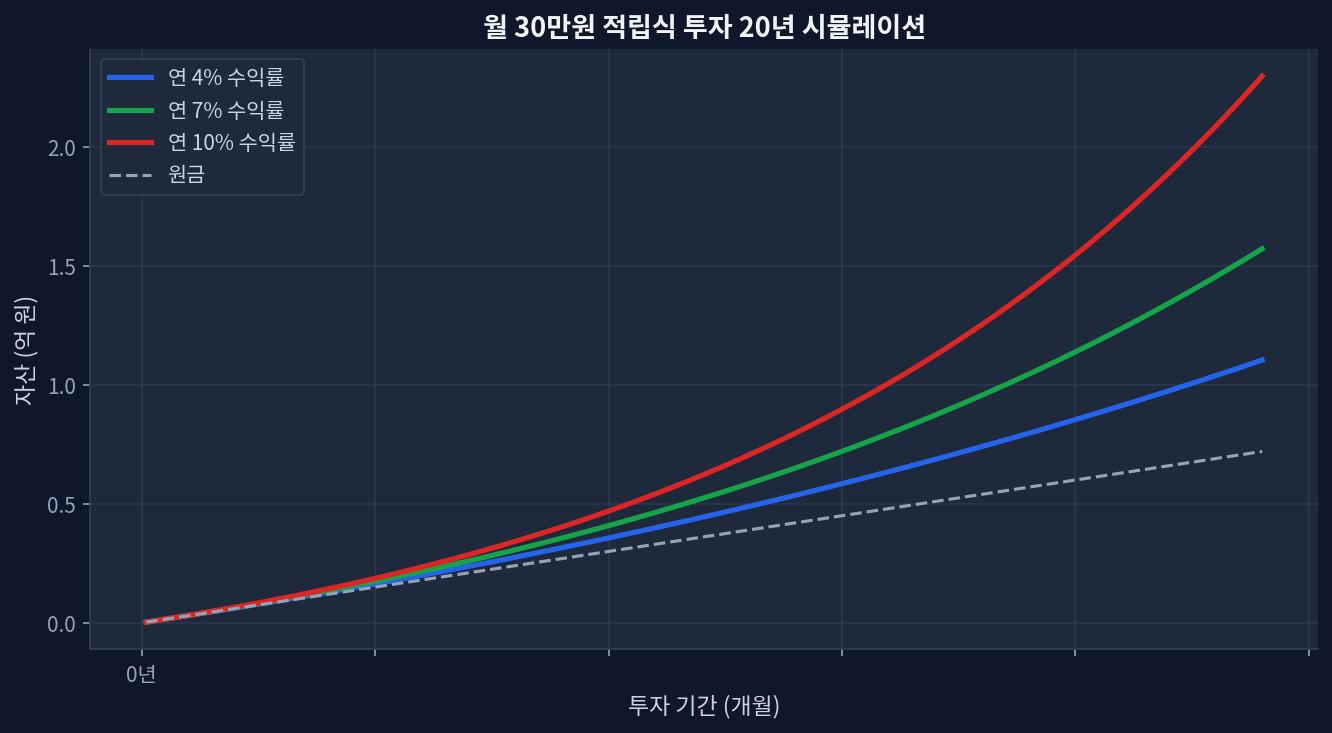
SCHD yield: 3.25% vs VIG 1.47% — 78bp spread reflects dividend-focused mandate vs growth tiltVIG outperformed on 3Y total return: +55.7% vs SCHD +47.6% (800bp gap), but tax burden differs sharply in taxable accountsSCHD P/E 18.8 vs VIG 26.2 — SCHD trades at 28% discount; suggests lower valuation risk but higher dividend cut exposure in recessionTax location matters most: Roth IRA locks in tax-free compounding; traditional 401(k) defers gains; taxable brokerage faces annual 1099-DIV liability on qualified dividends52-week positioning: SCHD at 84.3% of range (near highs), VIG at 92.7% — timing risk elevated for lump-sum purchases The Tax-Efficiency Angle: Why Yield Location Determines Real Returns Monthly $30K investment 20-year compound growth simulation Most dividend ETF comparisons focus on gross yield and total return. They miss the tax dimension entirely. A 3.25% yield in a taxable brokerage account becomes 2.35% after federal qualified dividend tax (assuming 28% top rate), but that same yield in a Roth IRA stays 3.25% forever, compounding untaxed. SCHD’s higher dividend distribution creates this tax burden front-and-center, while VIG’s lower yield (1.47%) means lighter annual 1099-DIV reporting but higher embedded capital gains. ...

June 22, 2026 · InvestIQs Research
SCHD Dividend Growth CAGR: Yield Decomposition Across 10 Years

SCHD Dividend Growth CAGR: Yield Decomposition Across 10 Years

SCHD current yield 3.29% at $31.8 — 94.9% of 52W range ($25.69–$32.13), not a distressed-entry scenario1Y return +27.0%; 5Y cumulative +47.1% — dividends contributed ~3.3 pts, price drove the restVIG 5Y return +61.9% outpaces SCHD by 14.8 pts — the yield premium has a total-return costSCHD P/E 18.9 vs VIG 26.8 — value tilt is real but concentrated in rate-sensitive sectorsAUM $91.1B, avg daily volume 23M shares — liquidity not a constraint at any allocation size SCHD trades at $31.8, sitting at 94.9% of its 52-week range. For yield-maximizers, that positioning matters: buying near highs compresses starting yield and extends the payback window on any drawdown. The real question is not entry timing — it is whether the dividend growth engine underneath compounds fast enough to justify that cost. ...

May 15, 2026 · InvestIQs Research