TIGER S&P500 ETF vs US Alternatives: Tax & Diversification Dynamics
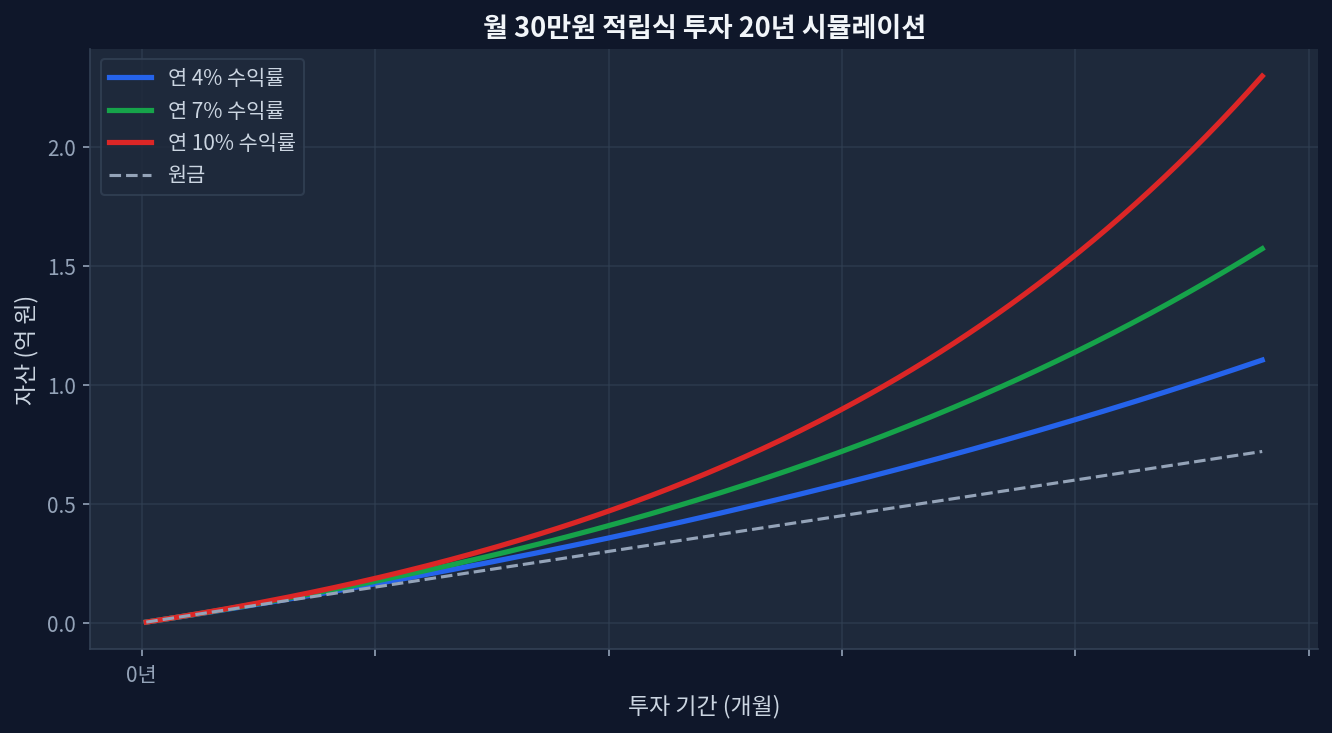
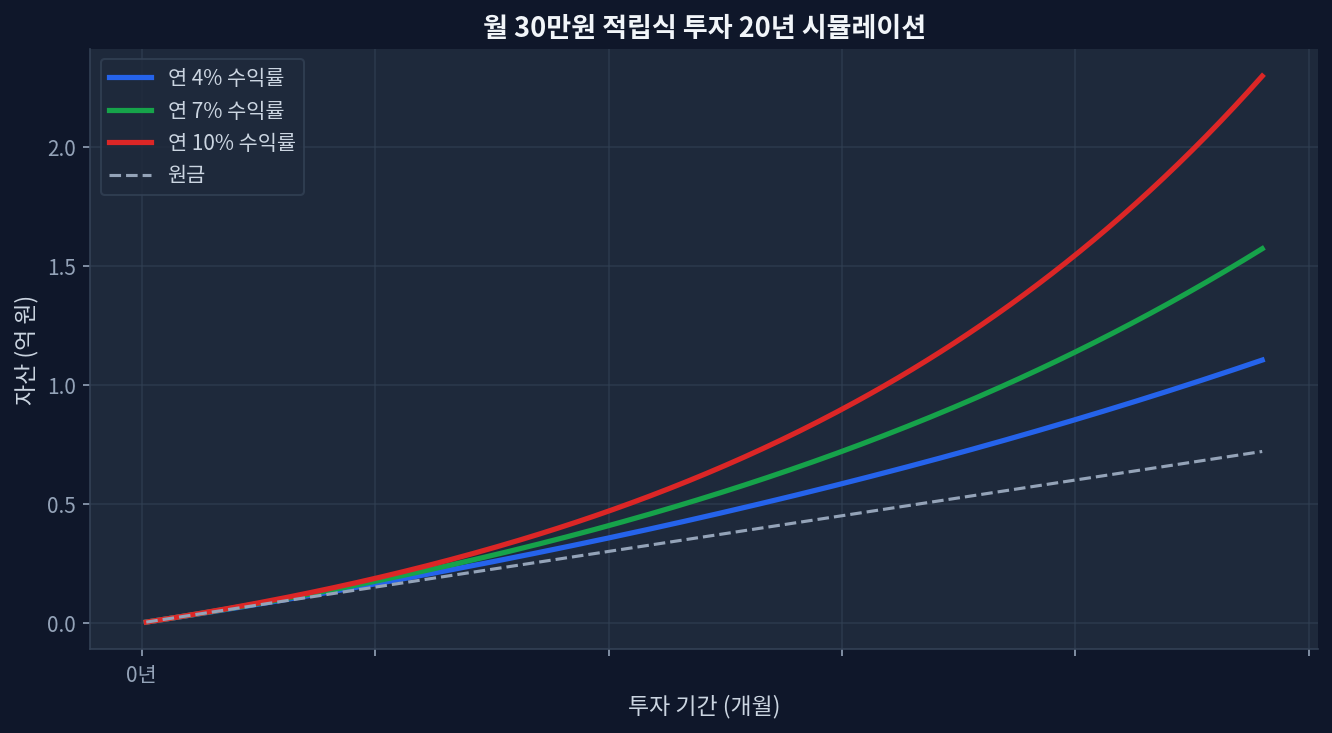
TIGER tracked +86.0% over 5 years (2020–2026), matching US-listed VOO's performance but with Korean tax and currency considerationsschd-which-etf-wins-under-a-15-capital-gains-tax-regime/">VOO yields 1.03% at 26.2× P/E; SCHD yields 3.25% at 18.9× P/E—representing core-growth versus income-focused positioningKorea's 22% capital gains tax versus US 15–20% rates creates different tax-optimization strategies, not fund-specific savingsGeographic diversification through TIGER makes sense for global investors managing multiple accounts; US-based investors typically prefer VOO's liquidityTax efficiency depends more on account structure (tax-deferred vs. taxable) and holding discipline than ETF choice itselfWhy Global Investors Consider TIGER (And Why It Rarely Makes Sense for US Residents) Monthly $30K investment 20-year compound growth simulation TIGER 미국S&P500 is a Korean-domiciled ETF tracking the S&P500, available primarily through Korean brokers and some international platforms like Interactive Brokers. For investors outside the US or managing Korean-based capital, TIGER provides familiar tax reporting and avoids certain cross-border withholding complexities. For US tax residents, the picture inverts: direct ownership of VOO ($670.26, $1.7 trillion AUM) offers superior liquidity, lower fees (0.03%), and simpler tax treatment under IRC statutes. ...