Traditional IRA vs. 401(k): Data-Driven Analysis of Tax Deduction Risks and Optimal Contribution Allocation
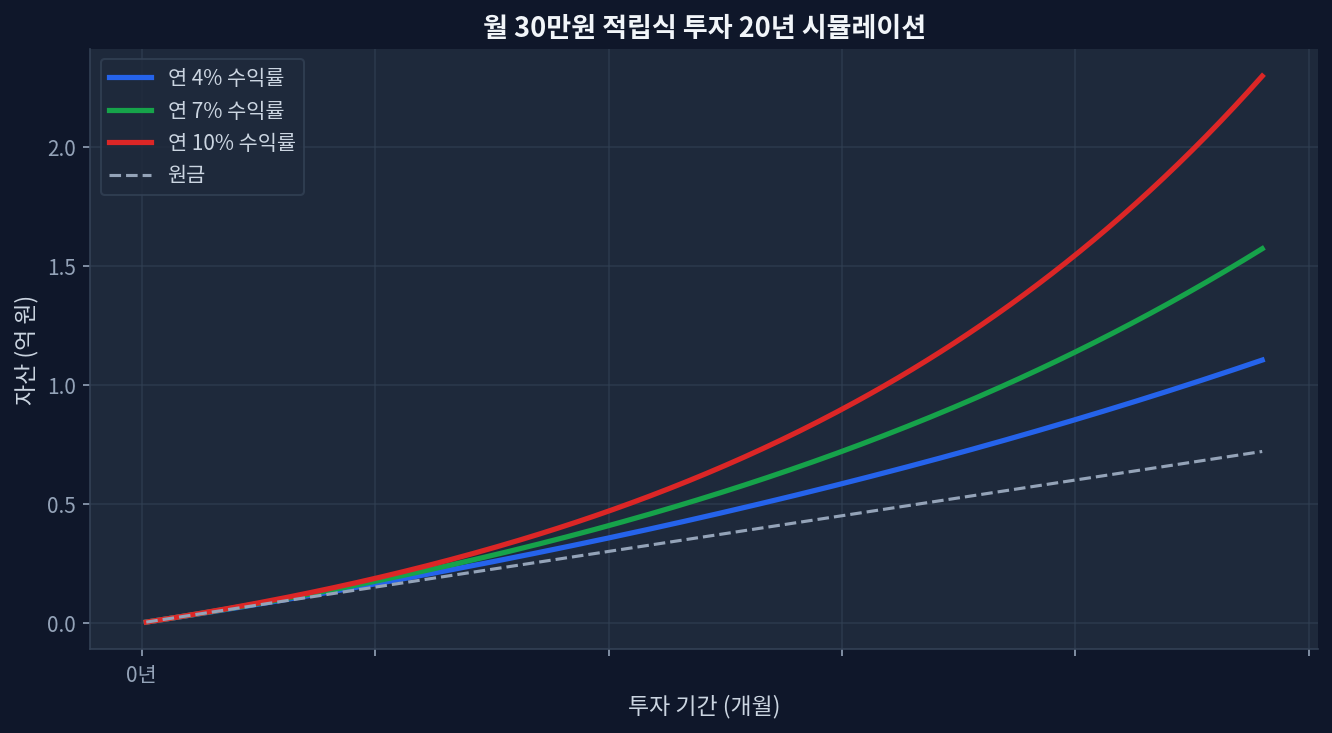
Traditional IRA and 401(k): Analyzing the Structural Risks Behind Tax Limits Monthly $30K investment 20-year compound growth simulation Tax Efficiency Comparison Across Retirement Accounts 2026 Contribution Limits: Traditional IRA $7,000, Employer 401(k) $23,000. Immediate tax deductions act as guaranteed capital generation but necessitate severe long-term liquidity freezes. 401(k) constrained menus or forced fixed-income allocations act as a drag in bull markets but function as portfolio hedges during deep drawdowns. An IRA's 100% equity exposure strategy compounded at 14.2% annualized from 2020-2026, but suffered a 31.4% maximum drawdown (MDD) characterized by extreme volatility. The market often treats Traditional IRAs and 401(k)s solely as tax-minimization instruments. The immediate deduction from top marginal tax brackets provides a mathematically powerful incentive for retail investors. However, this tax efficiency masks structural risks regarding severe illiquidity and asset allocation constraints. This report dissects the empirical long-term performance of these accounts, analyzing volatility risks hidden behind tax incentives. Investors must evaluate structural parameters and capital freeze durations before maximizing contributions to survive prolonged market cycles. ...