TIGER S&P500 ETF vs US Alternatives: Tax & Diversification Dynamics

TIGER S&P500 ETF vs US Alternatives: Tax & Diversification Dynamics

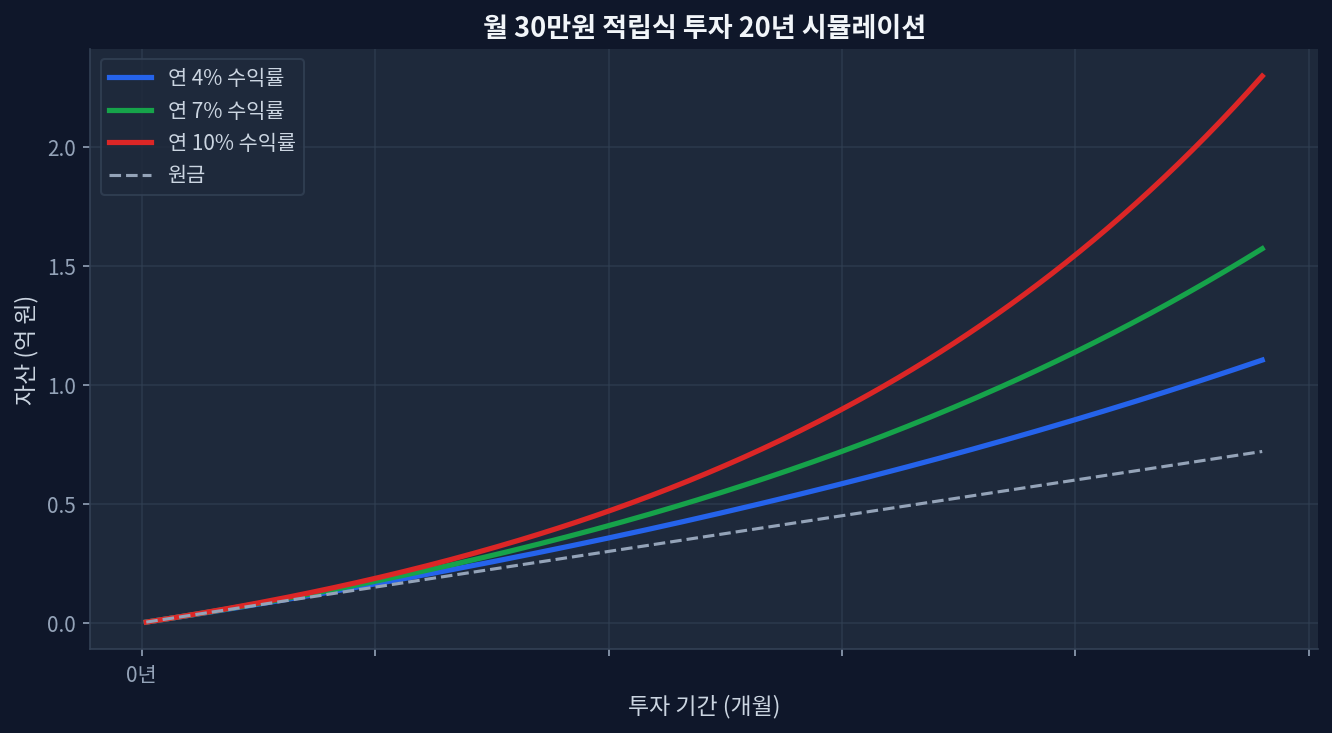
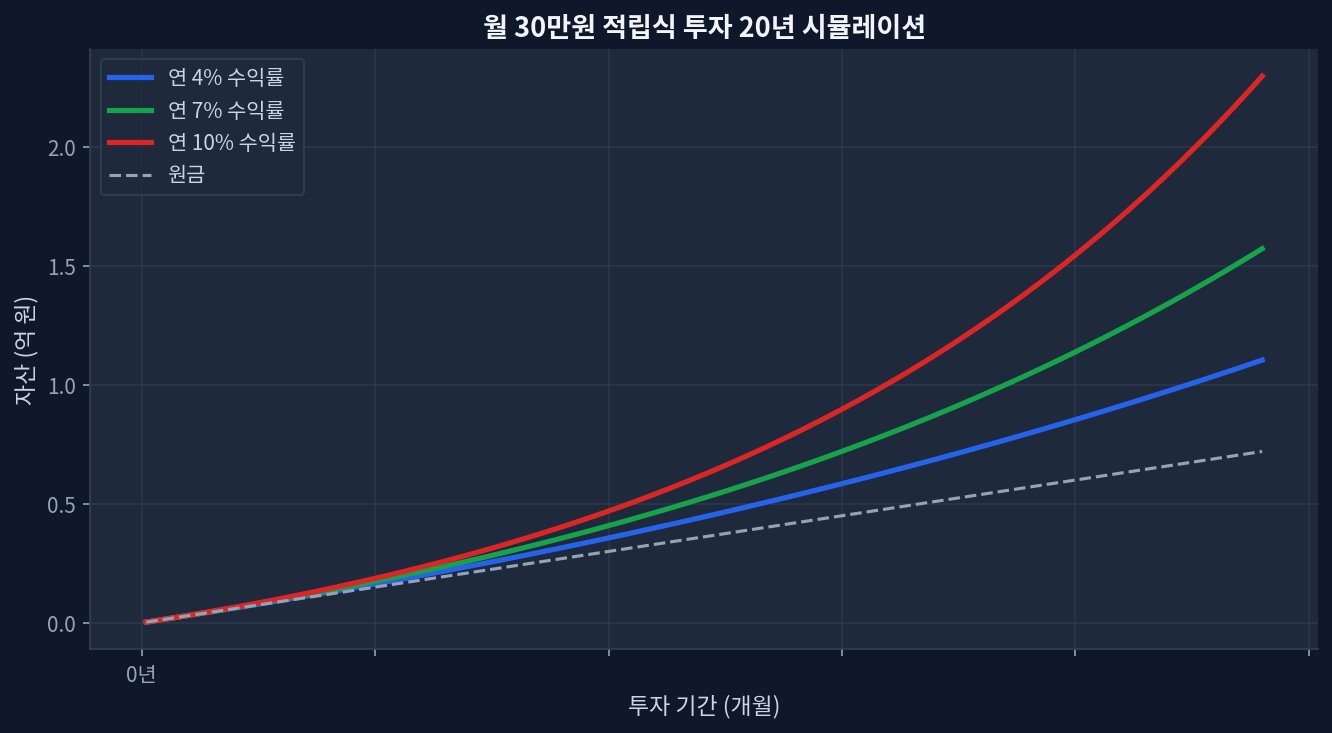
TIGER tracked +86.0% over 5 years (2020–2026), matching US-listed VOO's performance but with Korean tax and currency considerationsschd-which-etf-wins-under-a-15-capital-gains-tax-regime/">VOO yields 1.03% at 26.2× P/E; SCHD yields 3.25% at 18.9× P/E—representing core-growth versus income-focused positioningKorea's 22% capital gains tax versus US 15–20% rates creates different tax-optimization strategies, not fund-specific savingsGeographic diversification through TIGER makes sense for global investors managing multiple accounts; US-based investors typically prefer VOO's liquidityTax efficiency depends more on account structure (tax-deferred vs. taxable) and holding discipline than ETF choice itselfWhy Global Investors Consider TIGER (And Why It Rarely Makes Sense for US Residents) Monthly $30K investment 20-year compound growth simulation TIGER 미국S&P500 is a Korean-domiciled ETF tracking the S&P500, available primarily through Korean brokers and some international platforms like Interactive Brokers. For investors outside the US or managing Korean-based capital, TIGER provides familiar tax reporting and avoids certain cross-border withholding complexities. For US tax residents, the picture inverts: direct ownership of VOO ($670.26, $1.7 trillion AUM) offers superior liquidity, lower fees (0.03%), and simpler tax treatment under IRC statutes. ...
June 28, 2026 · InvestIQs Research
TLT & REITs 6:4 Portfolio: Income and Diversification in a High-Rate Environment

TLT & REITs 6:4 Portfolio: Income and Diversification in a High-Rate Environment

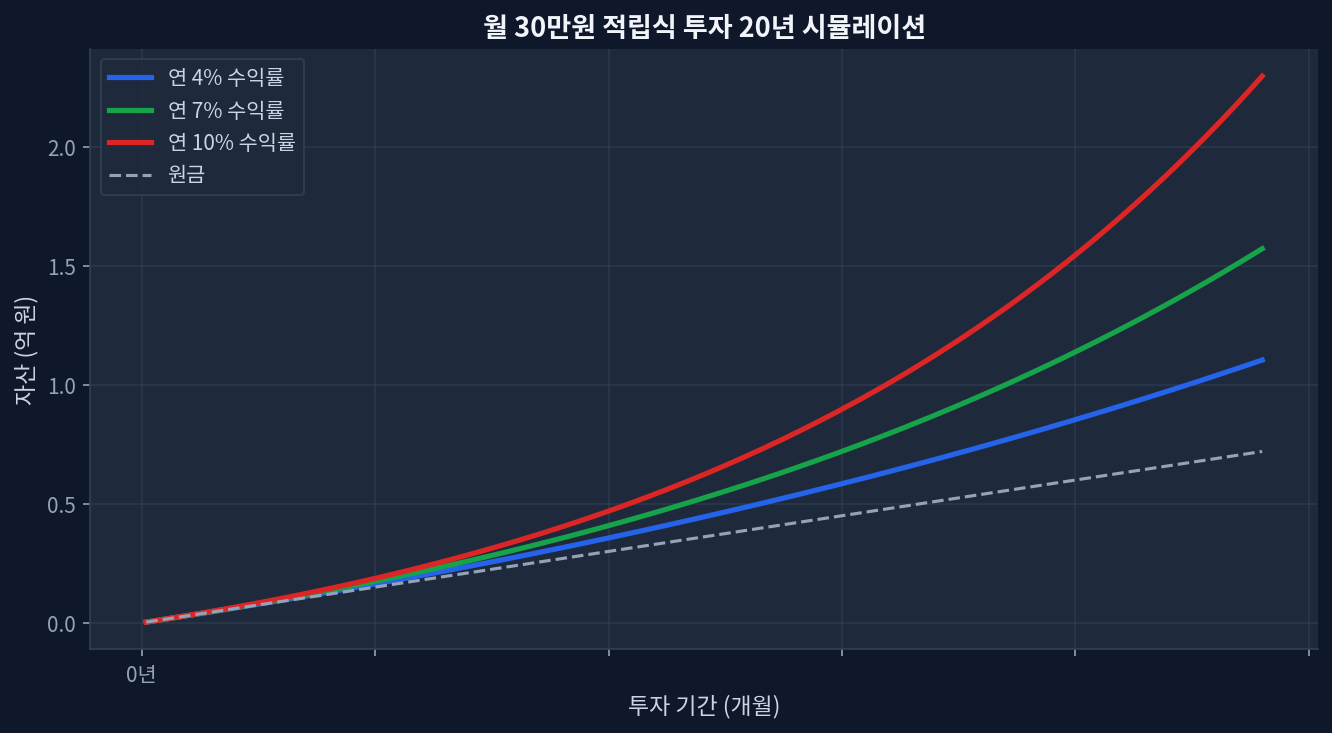
TLT current yield: 4.55% with $42.9B in AUM; down 27.7% over 5 years but up 2.9% in the past yearA 6:4 TLT-to-REIT allocation targets ~5.5% blended yield while reducing duration risk through equity diversificationTLT's 52-week range ($82.77–$92.19) suggests room for tactical entry at lower valuationsREIT liquidity and leverage complicate the comparison; higher nominal yields often hide higher volatilityInterest-rate risk remains the dominant constraint: further rate hikes would pressure TLT NAV and REIT cap rates simultaneously Why a 6:4 Bond-to-REIT Split Works (and Why It Doesn’t) Monthly $30K investment 20-year compound growth simulation The Treasury bond market has been brutal for nearly a decade. The Invesco QQQ Trust (QQQ) outpaced the iShares 20+ Year Treasury ETF (TLT) by over 50 percentage points between 2015 and 2023. Yet in 2024–2026, as rate-cut expectations wavered and macro uncertainty persisted, bond allocations have found surprising utility in portfolios that needed predictable cash flow without equity volatility. ...

June 15, 2026 · InvestIQs Research
JEPI's $0.3890 Dividend Increase: Reassessing Income and Growth Mechan

JEPI's $0.3890 Dividend Increase: Reassessing Income and Growth Mechan

JEPI announced a quarterly dividend of $0.3890, representing a 13.1% increase year-over-year. Covered call strategies typically face skepticism regarding income sustainability and total return potential. However, JEPI's dividend growth rate signals a shift in market mechanics. This warrants a reassessment of its role within broader portfolio construction. ...

June 14, 2026 · InvestIQs Research
Sports REITs Beyond Stock Splits: Can 5% Yields Diversify a Portfolio?

Sports REITs Beyond Stock Splits: Can 5% Yields Diversify a Portfolio?

Sports franchises occupy an unusual niche in alternative investments. When Villarreal and Atlético Madrid began exploring Real Estate Investment Trust (REIT) structures in European markets, the move signaled a shift: sports assets are no longer just entertainment equity plays—they're potential income generators. The claim? A 5% yield on stadium and hospitality real estate tied to these clubs. The reality is messier. ...

June 12, 2026 · InvestIQs Research
Brokerage ETF Transaction Cost Benchmark: Commission, Spread, and FX Dynamics for Diversified Portfolios

Brokerage ETF Transaction Cost Benchmark: Commission, Spread, and FX Dynamics for Diversified Portfolios

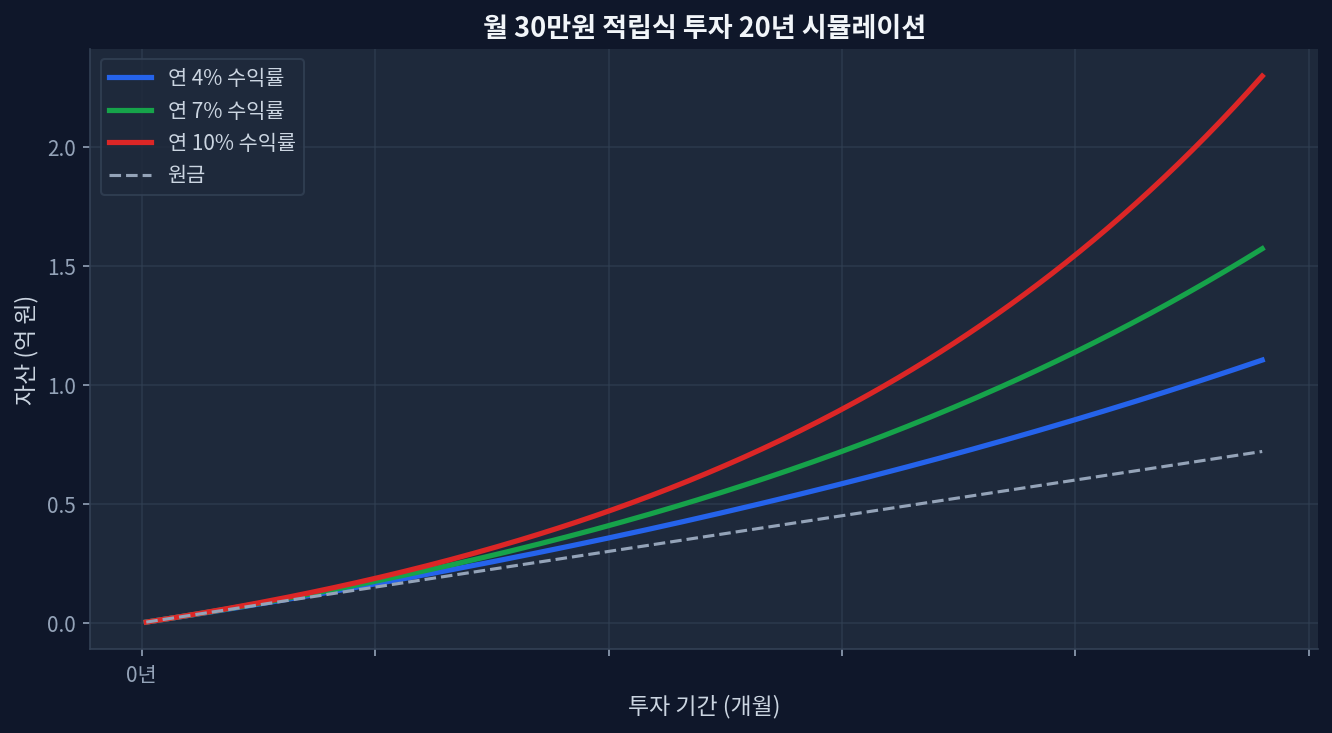
Zero-commission trades do not equate to zero-cost execution; bid-ask spreads and PFOF mechanisms generate continuous hidden friction.For globally diversified portfolios, FX conversion spreads often exceed the total ETF expense ratios, demanding optimized currency strategies.During the 2020 volatility shock, bond ETF spreads widened by up to 400%, penalizing reactive portfolio reallocation.Portfolio diversification efficiency remains heavily dependent on execution timing and institutional-grade brokerage routing logic. Unveiling the True Costs of Portfolio Diversification Monthly $30K investment 20-year compound growth simulation Looking at the chart below, the 5-year growth of +85% is particularly impressive. However, achieving these theoretical returns within a broadly diversified portfolio requires navigating structural friction points that retail brokerages often obscure. ...

May 23, 2026 · InvestIQs Research