JEPQ's 25.1% Dividend Hike: The Hidden Mechanics Behind 9.95% Yield

JEPQ's 25.1% Dividend Hike: The Hidden Mechanics Behind 9.95% Yield

Quarterly Dividend: $0.6370 announced, up 25.1% year-over-year Dividend Yield: 9.95% vs JEPI 8.08% (JEPI shows superior dividend stability) 1-Year Total Return: JEPQ +19.0% vs JEPI +7.4% (JEPQ demonstrates higher aggressiveness) Current Price: $58.51, 5.2% below 52-week high of $61.72 Critical Caveat: High dividend relies on option premium generation—sharp drawdowns carry significant distribution cut risk JEPQ (JPMorgan Nasdaq-100 Options Income ETF) announced a quarterly dividend of $0.6370, representing a 25.1% year-over-year increase. This translates to a stated dividend yield of 9.95%. Among retail investors encountering this data for the first time, a recurring question surfaces: “With S&P 500 dividend yields languishing near 1.4%, is a 9.95% yield truly compelling, or does it mask structural fragility?” ...
July 18, 2026 · InvestIQs Research

JEPI vs JEPQ — ETF Comparison

JEPI vs JEPQ: Key Differences JEPI and JEPQ share the same JPMorgan equity-premium-income strategy but differ in their equity base. JEPI uses a low-volatility U.S. stock portfolio; JEPQ applies the same overlay to Nasdaq-100-style holdings. ...

June 14, 2026 · InvestIQs Editorial

JEPQ Dividend Calculator — Dividend Reinvestment Simulation

See JEPQ’s dividends in numbers JEPQ (JPMorgan Nasdaq Equity Premium Income ETF) applies the same equity-premium-income approach as JEPI, but on a Nasdaq-100-style portfolio. Higher growth exposure means higher yield and higher volatility. ...

June 14, 2026 · InvestIQs Editorial

QYLD vs JEPQ — ETF Comparison

QYLD vs JEPQ: Key Differences Both QYLD and JEPQ are Nasdaq-linked covered-call funds, but with different coverage ratios. QYLD sells calls on 100% of its index exposure; JEPQ uses a selective options overlay that preserves more upside. ...

June 14, 2026 · InvestIQs Editorial
Volatility and Risk in Monthly Dividend ETFs: The Yield vs. Total Retu

Volatility and Risk in Monthly Dividend ETFs: The Yield vs. Total Retu

JEPQ recorded a 10.33% dividend yield and a 78.0% 3-year cumulative total return, demonstrating a strong outperformance trajectory in a high-volatility market environment.JEPI yielded 8.29% with a 1-year total return of only 8.5%, exposing the structural risk of covered calls where returns are compromised by upside capping.Empirical data supports that underlying asset P/E valuations and volatility (VIX) regime shifts are the core factors determining long-term total return, rather than superficial high dividend yields. The most critical cognitive error observed in the monthly dividend ETF market is the blind faith that the size of the yield equates to the actual return on investment. [ETF.com] Covered call ETFs that pay high monthly dividends fundamentally possess a derivative structure, selling future upside volatility to collect a cash premium in the present. Therefore, an allocation strategy that solely chases superficial yield metrics while ignoring the fundamental risk of underlying assets and macroeconomic volatility regimes will inevitably face the structural limitation of long-term capital erosion. Based on real-time data from major monthly dividend ETFs currently recording the highest AUM, this research presents analysis that counters popular consensus from a risk-reward perspective. ...

May 18, 2026 · InvestIQs Research
JEPQ Quarterly Dividend Increase Analysis: Evaluating Returns and Volatility Risk for High-Yield ETFs

JEPQ Quarterly Dividend Increase Analysis: Evaluating Returns and Volatility Risk for High-Yield ETFs

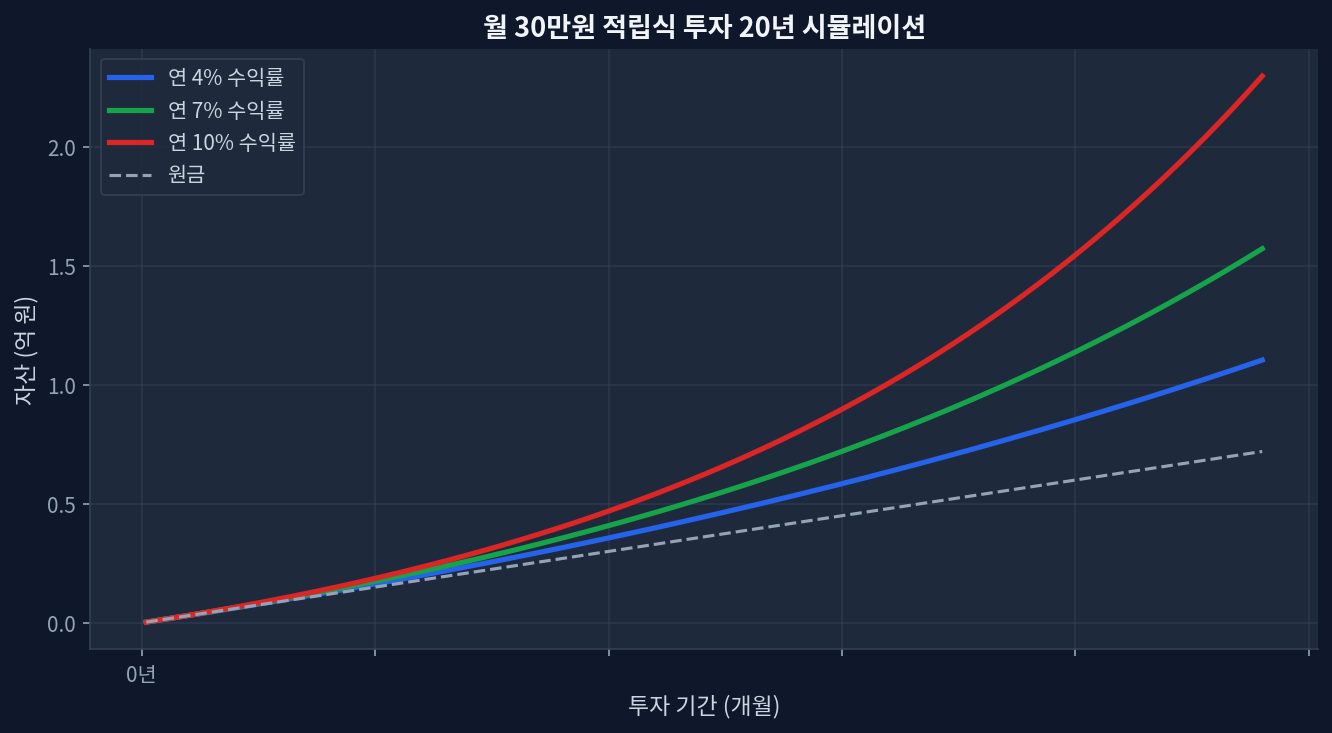
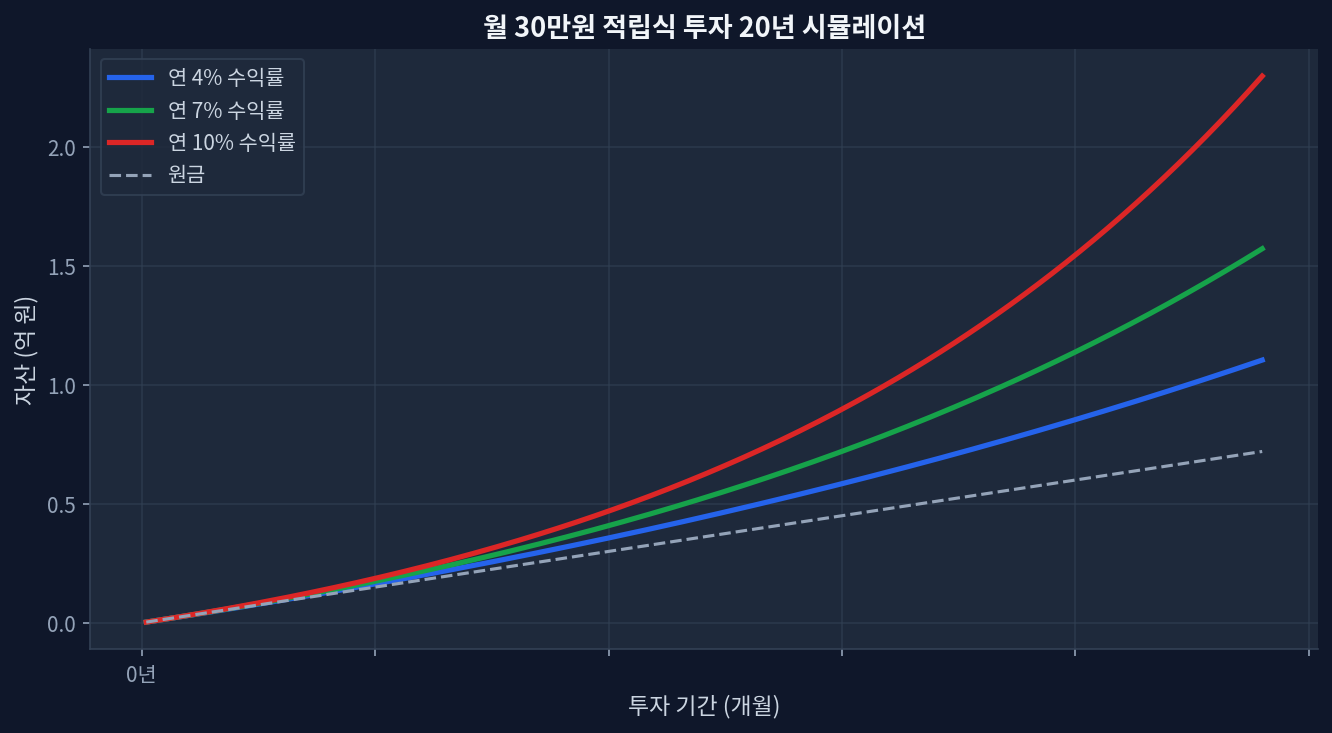
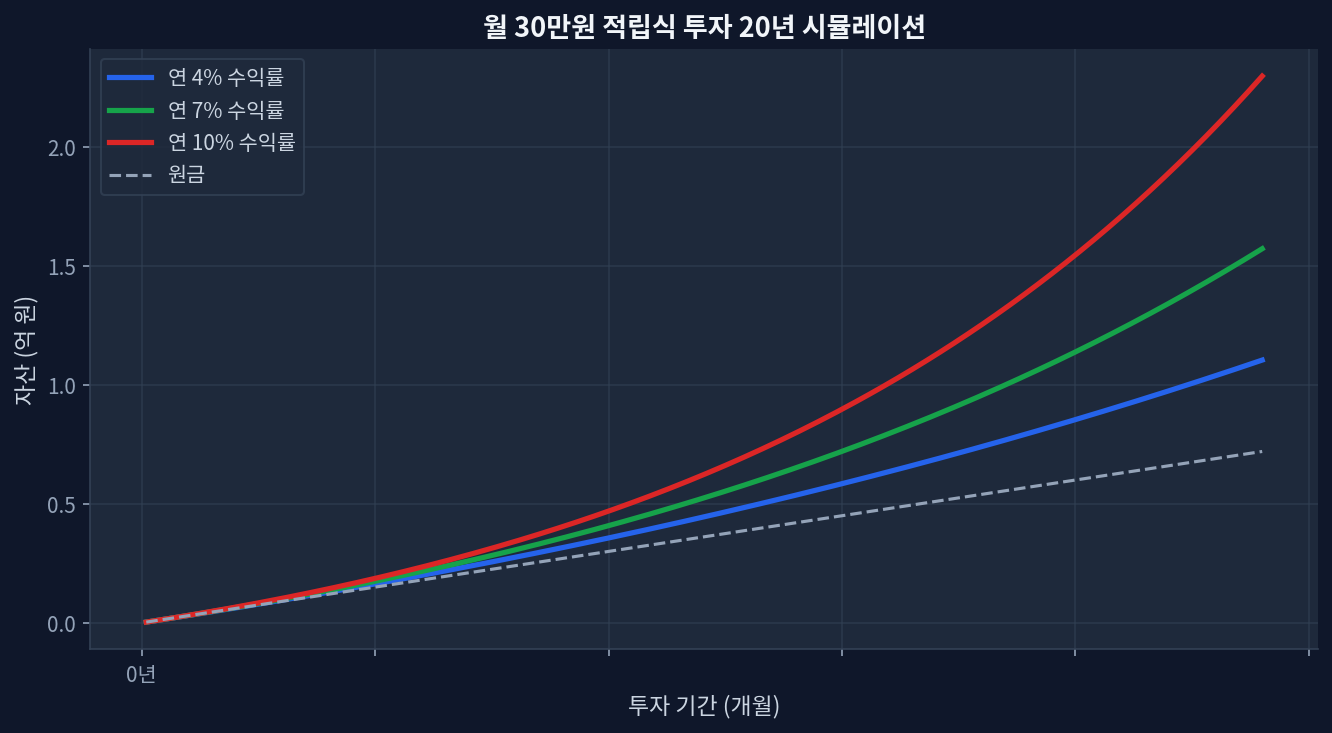
JEPQ's recent quarterly dividend was $0.5910 per share, marking a 2.6% increase year-over-year. JEPQ has shown strong short- to medium-term performance with a 1-year return of +27.4% and a 3-year cumulative return of +79.1%, closely tied to the volatility of its underlying asset, the Nasdaq 100 index. Its current dividend yield is 10.35%, but this largely depends on option premium income due to the nature of the covered call strategy, implying inherent dividend variability based on market conditions. Comparative analysis with JEPI shows JEPQ recording higher returns and dividend yields, attributable to differing exposure to technology-driven growth momentum. The attractive yields of high-dividend covered call ETFs come with risks, including vulnerability to price declines during market downturns and the potential for unexpected dividend cuts. JEPQ Quarterly Dividend Announcement Analysis: Returns and Volatility Perspective Monthly $30K investment 20-year compound growth simulation 20-Year Compound Growth Simulation of Monthly Dollar-Cost Averaging JEPQ recently announced a quarterly dividend of $0.5910 per share, drawing investor attention. This 2.6% year-over-year increase underscores the appeal of covered call ETFs that pursue both growth and income. Currently, JEPQ’s share price stands at $59.66, with a dividend yield of 10.35%, an attractive figure for those seeking high-yield investments. However, a deeper analysis is warranted regarding the stock price volatility accompanying such high dividend yields and the sustainability of these returns. ...

May 13, 2026