JEPI Quarterly Dividend Raised 10.3%, Yet Growth Stagnation Signals Ca

JEPI Quarterly Dividend Raised 10.3%, Yet Growth Stagnation Signals Ca

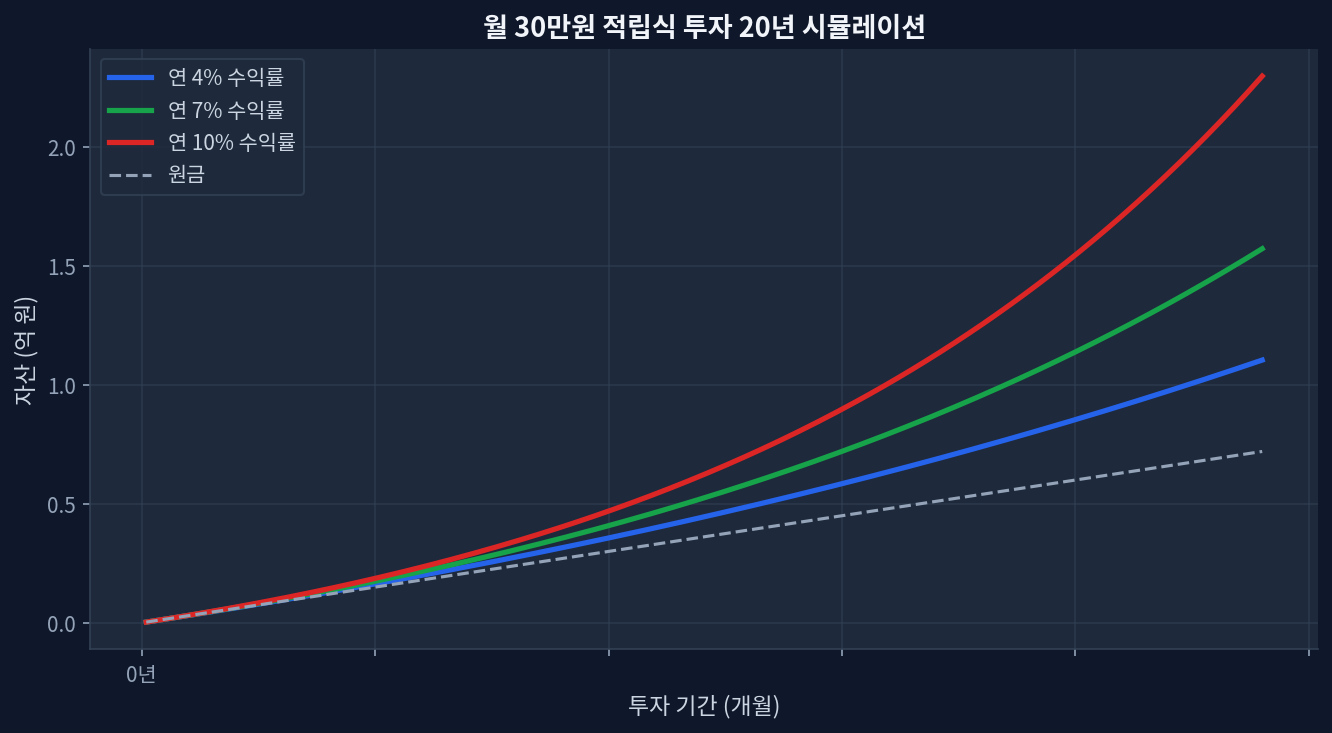
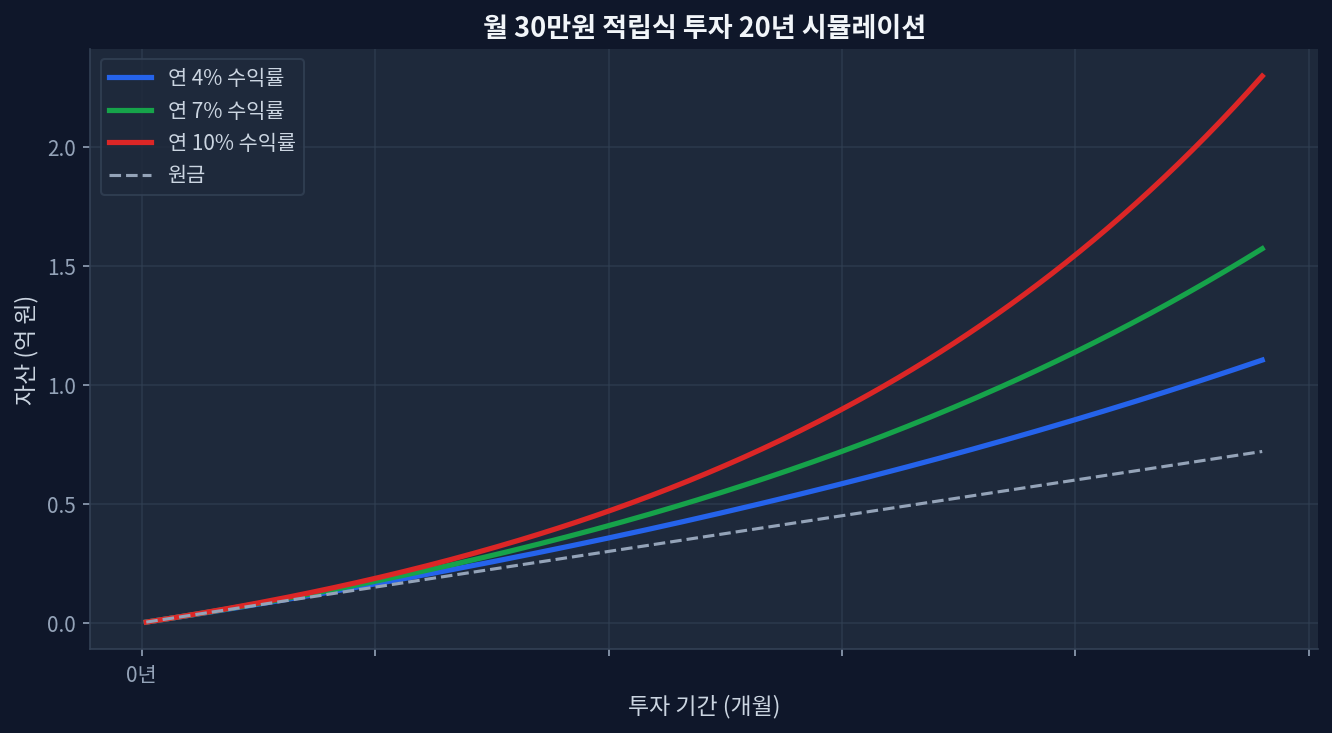
schd-deconstructing-covered-call-premium-costs-in-a-5-year-data-review/">JEPI quarterly dividend announcement: $0.3870 (+10.3% year-over-year increase)Current dividend yield: 8.08% (elevated) vs. 1-year total return: +7.4% (weak)5-year cumulative return: +42.5% vs. SCHD +54.9% (2.4% annualized gap)P/E ratio 26.8 (40% premium to SCHD's 19.0); trading at 30.2% of 52-week range (bearish signal)Cash outflow pressure: elevated dividend payments reduce retained capital, weakening share price defense The Structural Dilemma Hidden in Dividend Growth Monthly $30K investment 20-year compound growth simulation Monthly $2,000 Recurring Investment Over 20 Years: Compound Growth Simulation JEPI’s quarterly dividend increase to $0.3870 appears favorable on the surface. A 10.3% jump from the prior-year quarter’s $0.3508 demonstrates consistency. Yet for a $44.7 billion ETF to draw attention primarily on dividend growth itself represents a structural problem. ...
July 19, 2026 · InvestIQs Research
TLT's Volatility Trap: Why Rate Cuts Don't Automatically Fix Bond Losses

TLT's Volatility Trap: Why Rate Cuts Don't Automatically Fix Bond Losses

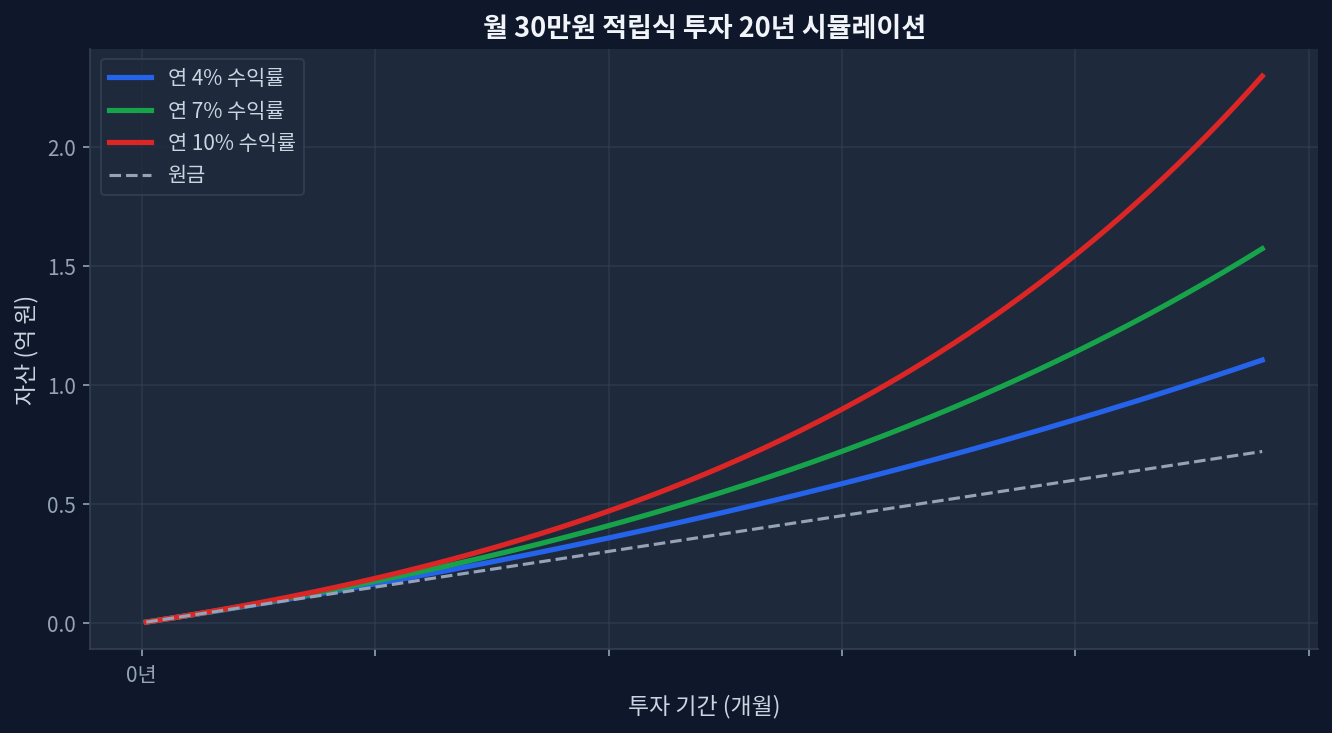
5-year drawdown: TLT down 27.8% from 2021 peak, despite conventional wisdom on duration bondsCurrent yield: 4.55% AUM-weighted, trading at $86.09 (52-week low near $82.77)The catch: A hypothetical 1% rate cut would reverse ~$4–5 per share, but volatility-decoded-why-284-loss-masks-a-15-rebound-case/">duration risk remains asymmetric—further rate hikes could erase gains fasterDollar-cost averaging reality: Monthly $1,500 allocations into TLT since 2020 experienced negative real returns despite consistent depositsDisconfirming scenario: If inflation stays sticky and the Fed pauses rate cuts, TLT holders face extended capital losses even with elevated yields The 27.8% Question: Why Long-Duration Bonds Got Decimated Monthly $30K investment 20-year compound growth simulation TLT—the iShares 20+ Year Treasury Bond ETF—has become shorthand for “bond market catastrophe” among retail investors. The numbers don’t lie. Over the past five years (2021–2026), TLT shed 27.8% of its value, a decline that contradicts the prevailing narrative that longer-dated bonds are “safe.”[yfinance] The culprit: the fastest rate-hiking cycle in 40 years. When the Federal Reserve raised the overnight rate from 0% to 5.25%–5.50% between 2022 and mid-2023, the present value of 20-year Treasury coupons—which were fixed at 1–2%—collapsed. ...

June 23, 2026 · InvestIQs Research
TLT Volatility Decoded: Why -28.4% Loss Masks a 15% Rebound Case

TLT Volatility Decoded: Why -28.4% Loss Masks a 15% Rebound Case

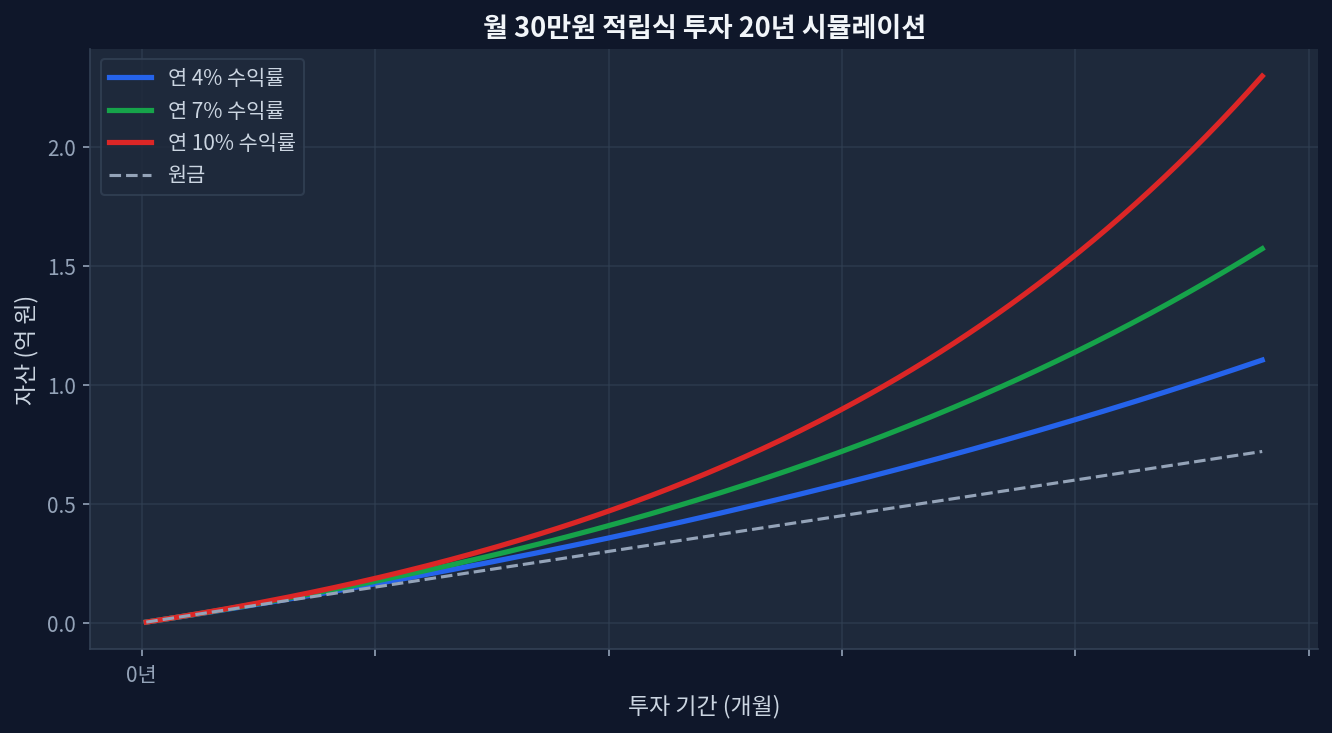
TLT (Vanguard Extended-Term Treasury ETF) delivered -28.4% over 5 years but +5.5% in the last 12 months as rate expectations shifted lowerCurrent price of $86.19 sits at just 36.3% of the 52-week range ($82.77–$92.19), signaling capitulation and limited downside risk4.54% current dividend yield[Yahoo Finance] covers opportunity cost during extended flat-rate periodsDuration math: each 100 basis points of rate decline adds ~8–12% to principal—a 150bps cut cycle targets $94–$97 per shareRisk: inflation resurges or Fed pivots hawkish, trapping investors in yield-on-cost mode with no capital recovery The Hidden Mechanics: Why Long-Duration Bonds Crater Faster Than Equities in Rising Rates volatility-decoded-why-284-loss-masks-a-15-rebound-case/compound-growth.png" alt="Monthly $30K investment 20-year compound growth simulation" loading="lazy" style="max-width:100%;border-radius:8px;">Monthly $30K investment 20-year compound growth simulation Bond mathematics are unforgiving. A bond’s duration measures its sensitivity to rate moves in years: a 15-year duration bond loses 15% for every 1% rise in yields. TLT, tracking 20-year Treasury bonds, carries a duration of roughly 15–16 years. When the Federal Reserve hiked from 0% to 5.5% (March 2022 through July 2023), and the 20-year yield climbed from 1.9% to 4.2%+, TLT’s net asset value collapsed by nearly 30%. ...

June 17, 2026 · InvestIQs Research
TLT & REITs 6:4 Portfolio: Income and Diversification in a High-Rate Environment

TLT & REITs 6:4 Portfolio: Income and Diversification in a High-Rate Environment

TLT current yield: 4.55% with $42.9B in AUM; down 27.7% over 5 years but up 2.9% in the past yearA 6:4 TLT-to-REIT allocation targets ~5.5% blended yield while reducing duration risk through equity diversificationTLT's 52-week range ($82.77–$92.19) suggests room for tactical entry at lower valuationsREIT liquidity and leverage complicate the comparison; higher nominal yields often hide higher volatilityInterest-rate risk remains the dominant constraint: further rate hikes would pressure TLT NAV and REIT cap rates simultaneously Why a 6:4 Bond-to-REIT Split Works (and Why It Doesn’t) Monthly $30K investment 20-year compound growth simulation The Treasury bond market has been brutal for nearly a decade. The Invesco QQQ Trust (QQQ) outpaced the iShares 20+ Year Treasury ETF (TLT) by over 50 percentage points between 2015 and 2023. Yet in 2024–2026, as rate-cut expectations wavered and macro uncertainty persisted, bond allocations have found surprising utility in portfolios that needed predictable cash flow without equity volatility. ...

June 15, 2026 · InvestIQs Research