Traditional IRA vs. 401(k): Data-Driven Analysis of Tax Deduction Risks and Optimal Contribution Allocation

Traditional IRA vs. 401(k): Data-Driven Analysis of Tax Deduction Risks and Optimal Contribution Allocation

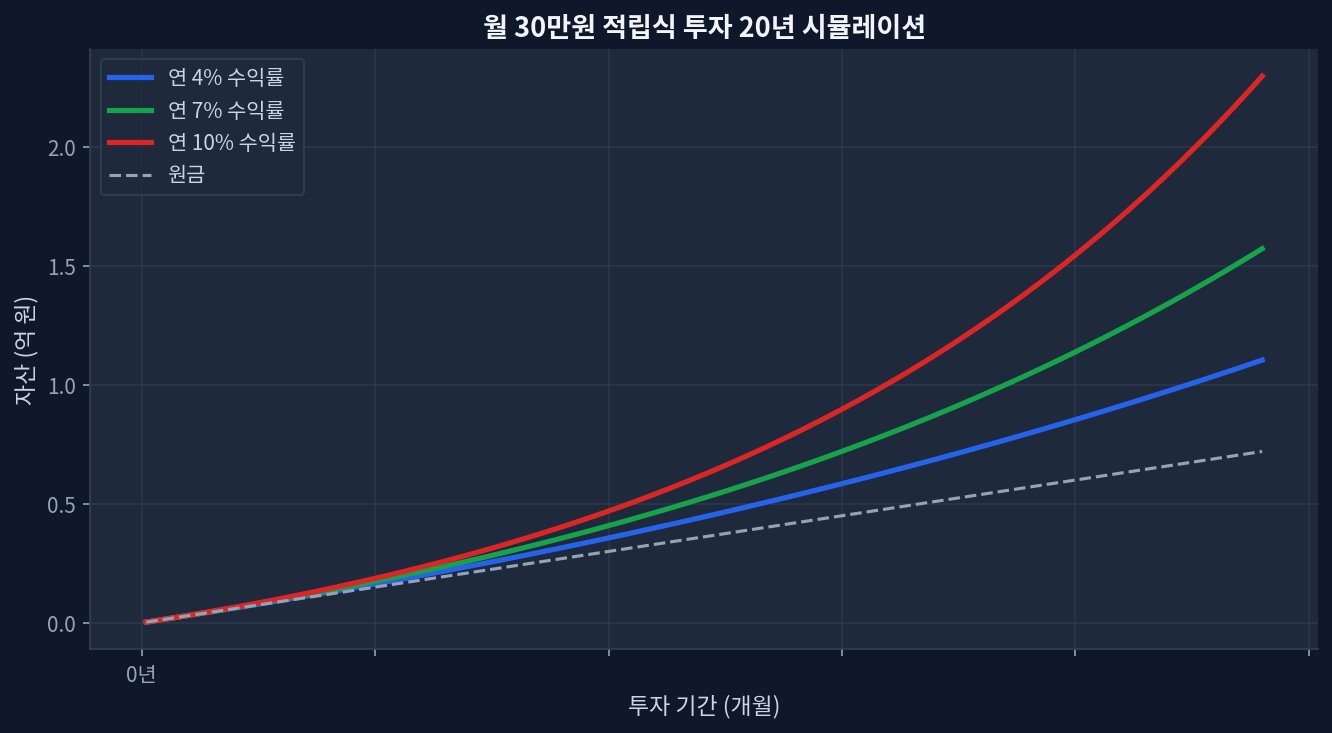
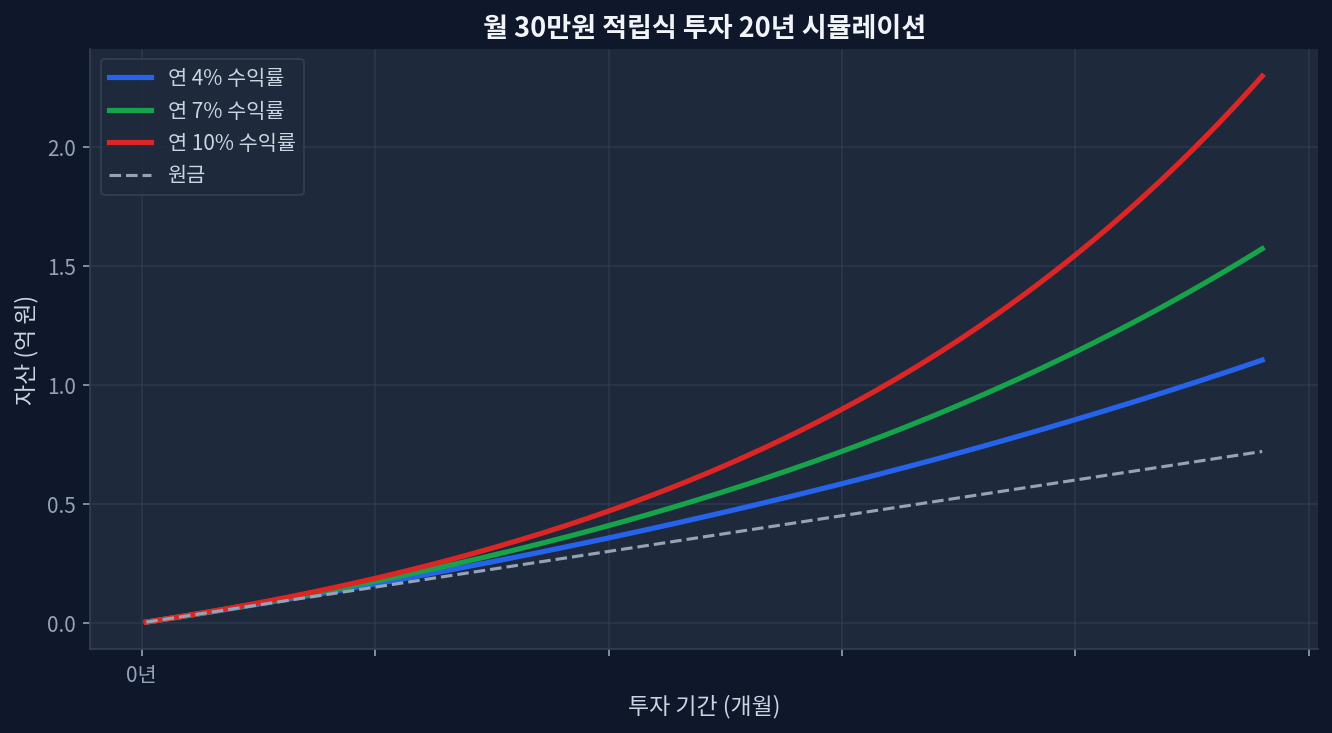
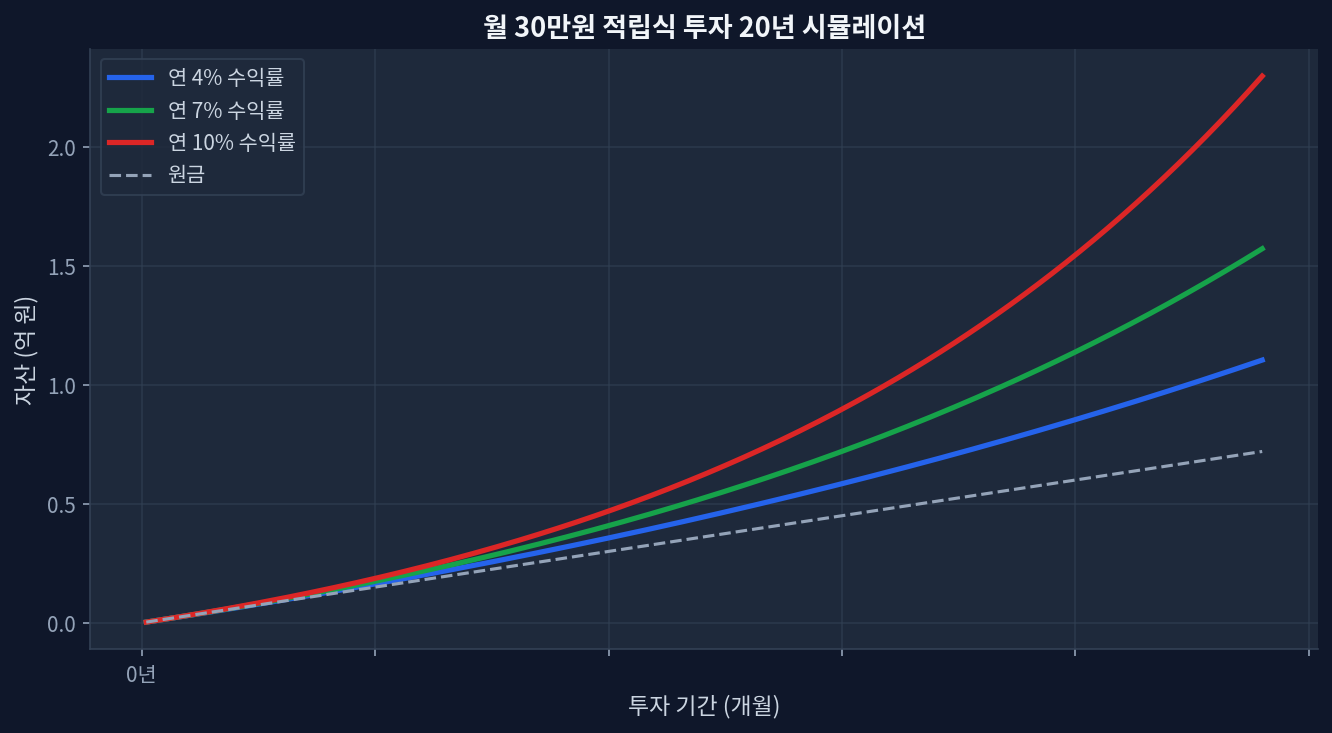
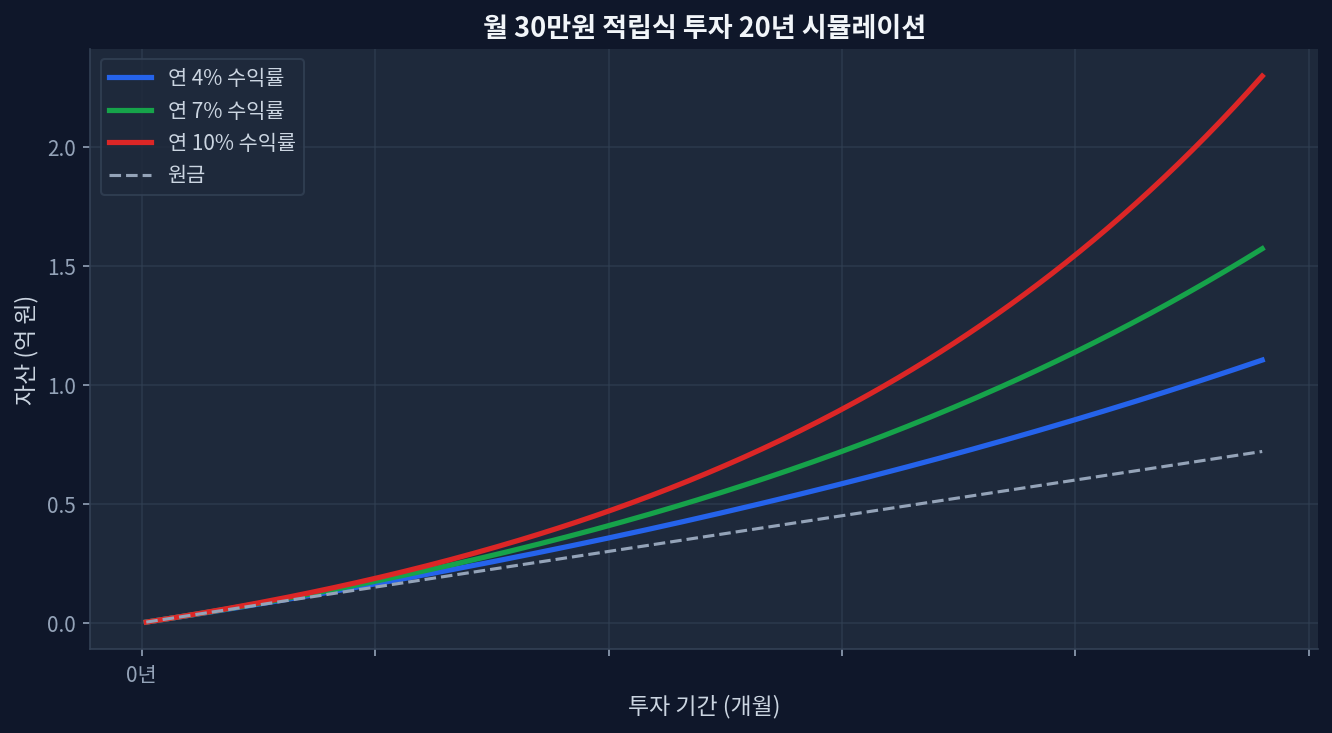
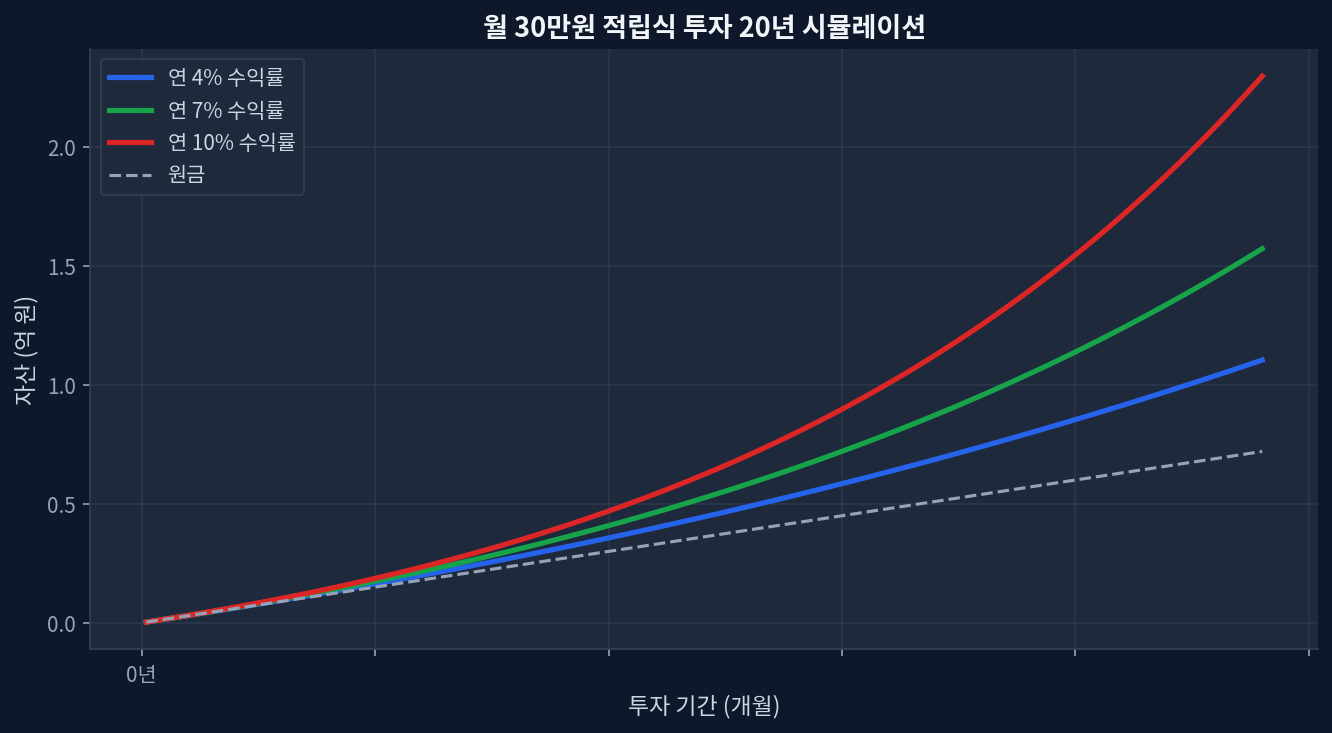
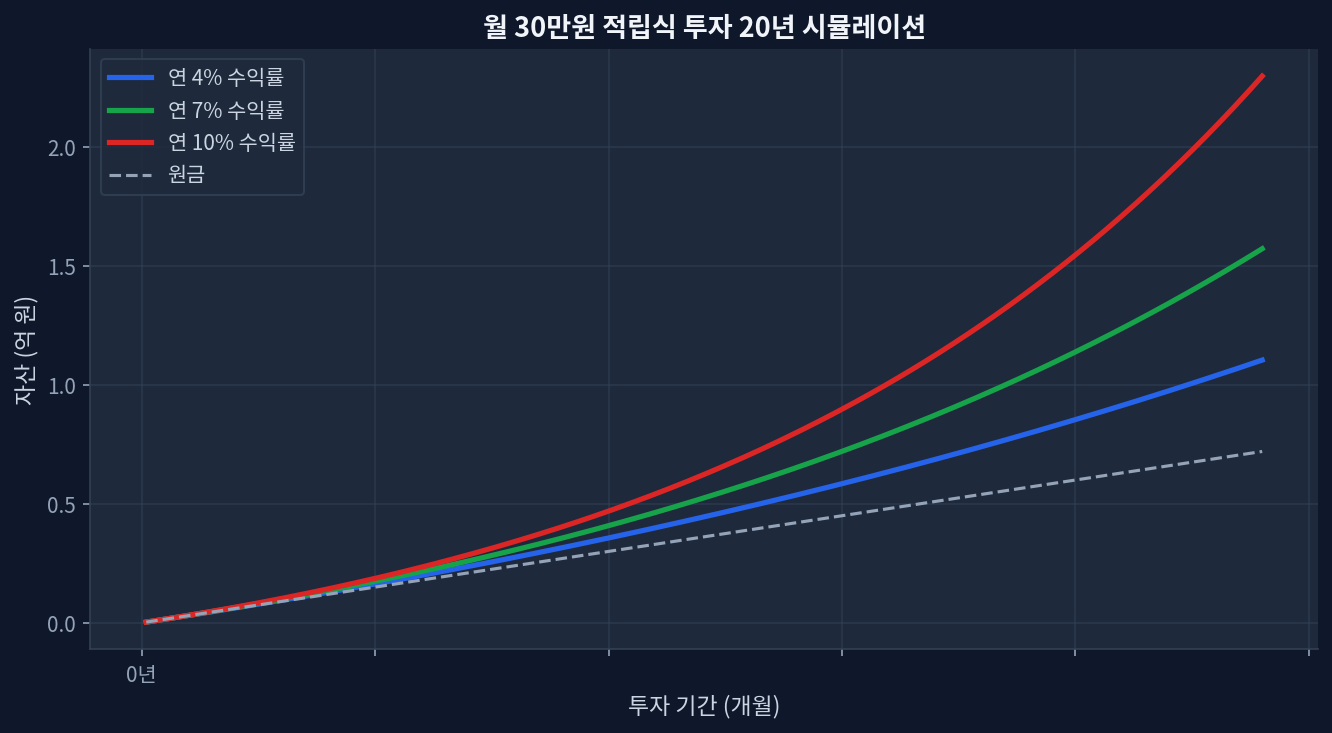
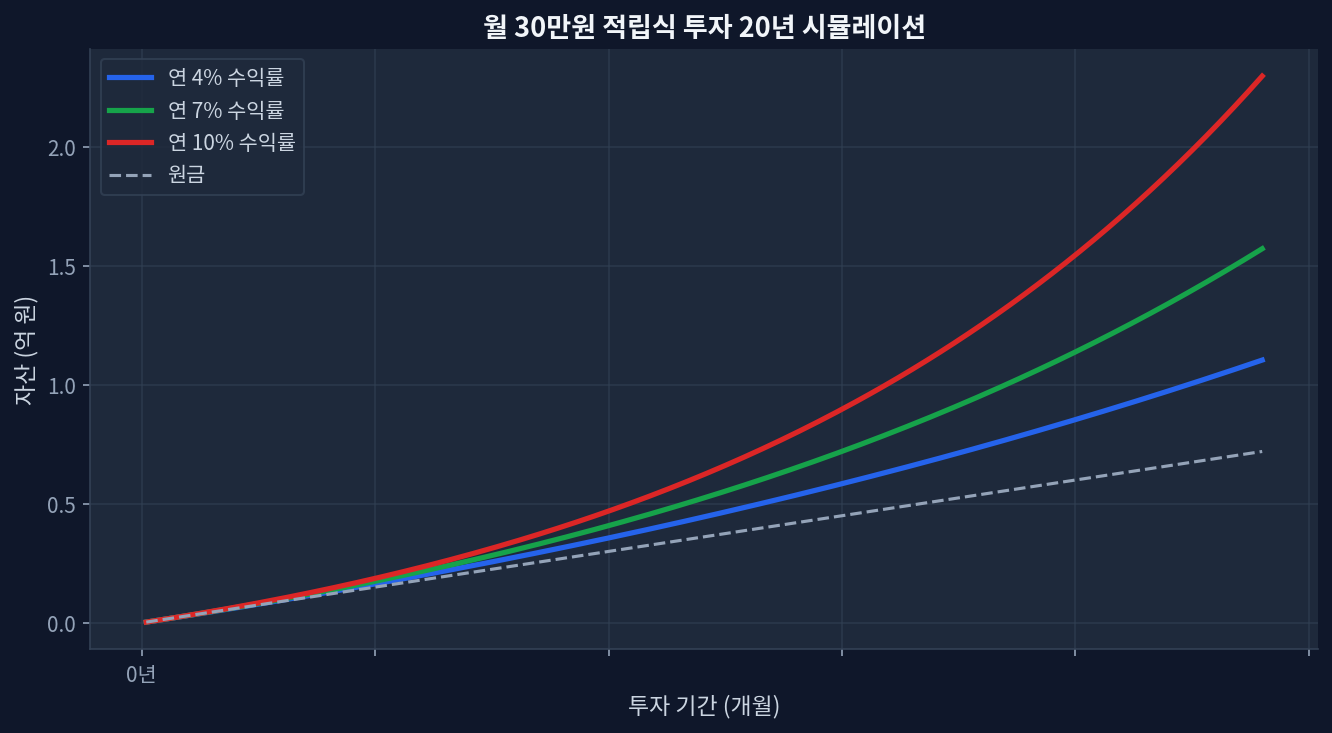
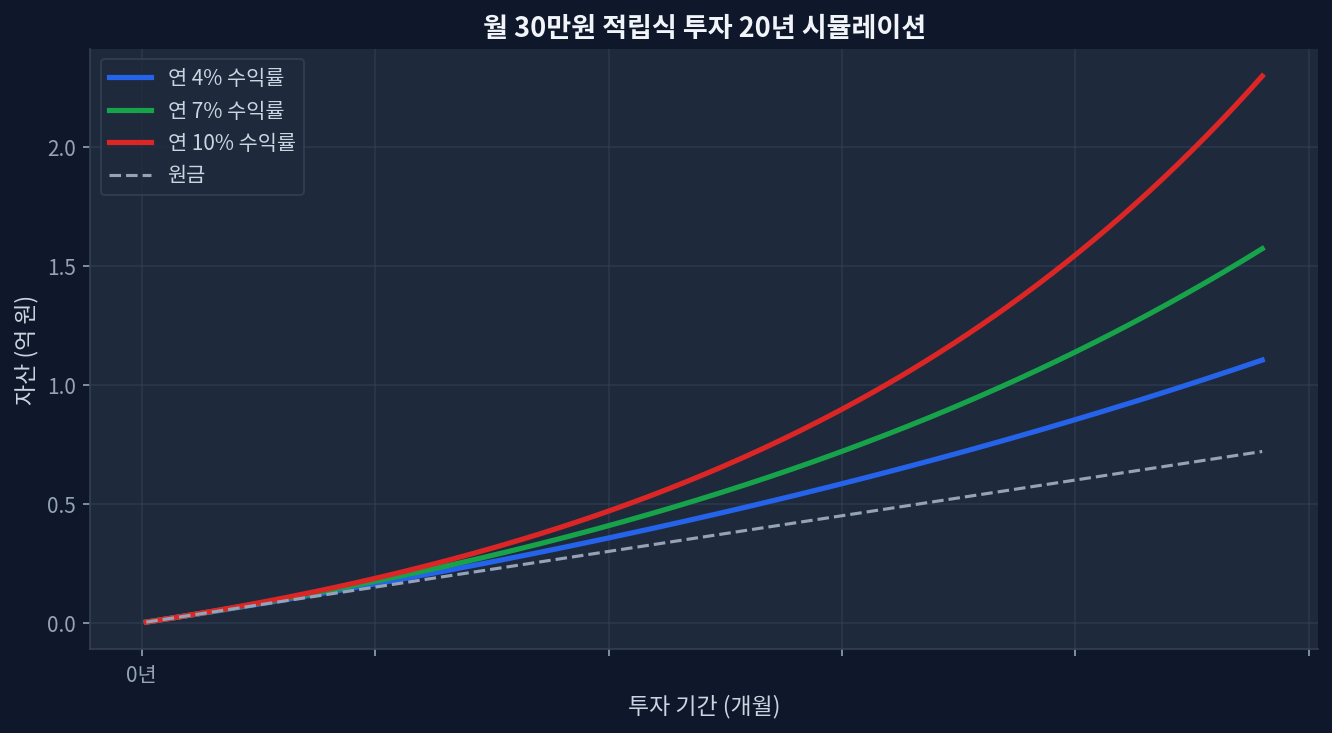
Traditional IRA and 401(k): Analyzing the Structural Risks Behind Tax Limits Monthly $30K investment 20-year compound growth simulation Tax Efficiency Comparison Across Retirement Accounts 2026 Contribution Limits: Traditional IRA $7,000, Employer 401(k) $23,000. Immediate tax deductions act as guaranteed capital generation but necessitate severe long-term liquidity freezes. 401(k) constrained menus or forced fixed-income allocations act as a drag in bull markets but function as portfolio hedges during deep drawdowns. An IRA's 100% equity exposure strategy compounded at 14....

May 23, 2026 · InvestIQs Research
IRA Contribution Data: Analyzing the Trade-Off Between Tax Deductions and Liquidity Risk

IRA Contribution Data: Analyzing the Trade-Off Between Tax Deductions and Liquidity Risk

Introduction: The Trade-Off Between Tax Deferral and Liquidity Constraints Monthly $30K investment 20-year compound growth simulation Taxable, Traditional IRA, and Roth IRA tax effect comparison The data indicates an 85.4% return over 5 years. This suggests compounding is maximized over the long term, but it imposes strict liquidity constraints. Beyond analyzing tax exemptions, quantifying the opportunity cost of capital through data remains necessary. IRA annual contribution limits restrict the maximum upfront tax deduction to $7,000 for standard accounts....

May 22, 2026 · InvestIQs Research
Tax-Advantaged Account ETF Allocation: 5-Year Effective Tax Rate Analy

Tax-Advantaged Account ETF Allocation: 5-Year Effective Tax Rate Analy

Operating US-listed ETFs within a tax-advantaged account (Roth IRA) reduces the effective tax rate on long-term gains and qualified dividends from 15% (taxable) to 0%. Contrary to the high-yield narrative, focusing on total return (TR) and automated dividend reinvestment (DRIP) structurally maximizes the tax-deferral compounding effect. Strategic asset location over a 5-year horizon serves as the primary driver for compounding total returns. Tax-Advantaged Account Structures and 5-Year Efficacy Taxable Brokerage vs Traditional IRA vs Roth IRA Tax Effect Comparison From an asset allocation perspective, the structural advantages of tax-sheltered accounts are highly pronounced....

May 21, 2026 · InvestIQs Research
High-Yield ETF Trap Data Analysis: 5-Year Total Return and Volatility Risk of 8%+ Yield Assets

High-Yield ETF Trap Data Analysis: 5-Year Total Return and Volatility Risk of 8%+ Yield Assets

Yields exceeding 8% accelerate cash flow generation but introduce severe principal erosion risks.Measured by 5-year cumulative total return, broad market indices (S&P 500) severely outperformed high-yield option strategies.Volatility drag structurally degrades nominal returns over extended holding periods.This diverges from the market narrative on downside protection; ultra-high-yield assets offer no structural safe haven during broad drawdowns.Market volatility historically triggers retail asset rotation toward high-cash-flowing instruments. Double-digit distribution rates generate an optical illusion of stability....

May 20, 2026 · InvestIQs Research
The Hidden Traps of 20-Year DRIP Simulations: Risk and Volatility Anal

The Hidden Traps of 20-Year DRIP Simulations: Risk and Volatility Anal

A 20-year compound growth simulation of Dividend Reinvestment Plans (DRIP) introduces severe tracking errors during drawdown phases. Expense ratios and tax drags act as critical hidden risks frequently omitted from long-term backtesting models. The variance in downside protection between high-yield ETFs (SPYD) and dividend growth ETFs (SCHD) drives a cumulative return divergence exceeding 30%. The 20-year compound interest simulation utilizing a Dividend Reinvestment Plan (DRIP) serves as a persistent marketing instrument within the asset management industry....

May 19, 2026 · InvestIQs Research
Volatility and Risk in Monthly Dividend ETFs: The Yield vs. Total Retu

Volatility and Risk in Monthly Dividend ETFs: The Yield vs. Total Retu

JEPQ recorded a 10.33% dividend yield and a 78.0% 3-year cumulative total return, demonstrating a strong outperformance trajectory in a high-volatility market environment.JEPI yielded 8.29% with a 1-year total return of only 8.5%, exposing the structural risk of covered calls where returns are compromised by upside capping.Empirical data supports that underlying asset P/E valuations and volatility (VIX) regime shifts are the core factors determining long-term total return, rather than superficial high dividend yields....

May 18, 2026 · InvestIQs Research