Asset Allocation Portfolios for 30-Year-Olds: Performance Comparison a

Asset Allocation Portfolios for 30-Year-Olds: Performance Comparison a

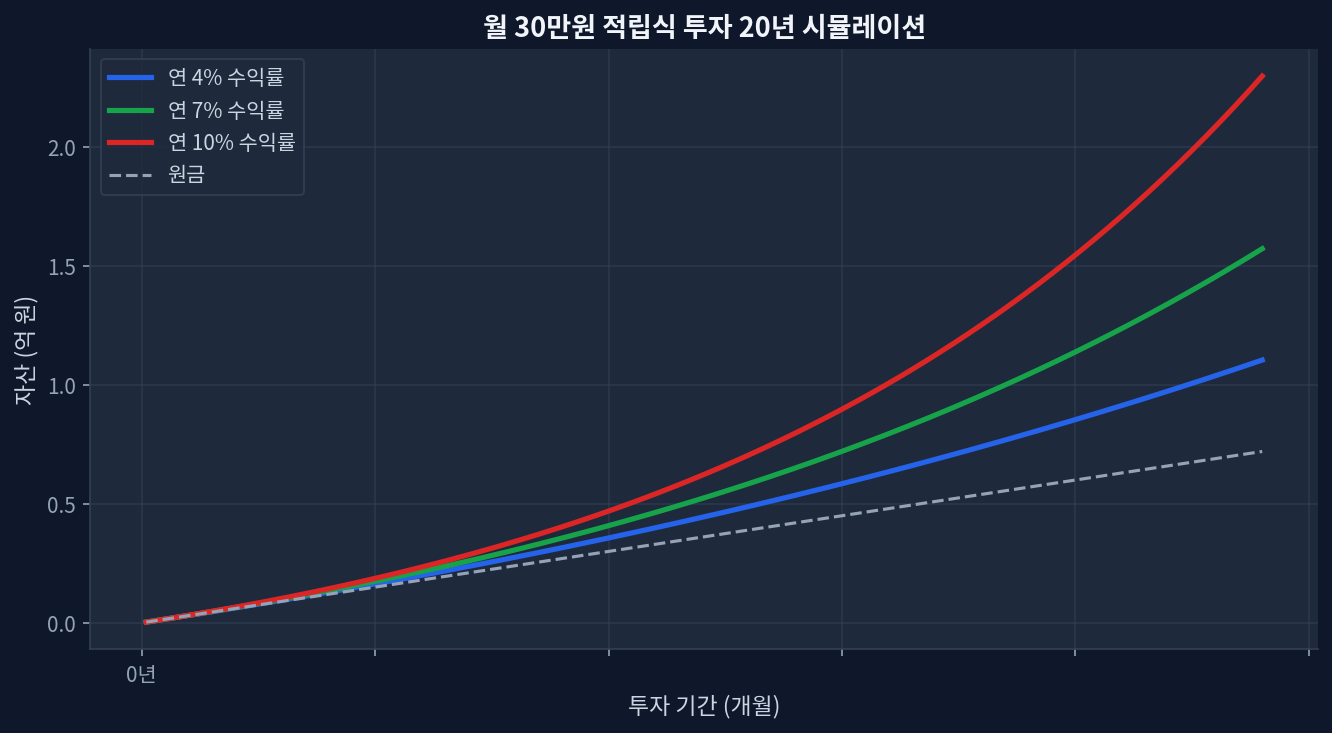
Executive Summary 2020–2026 stock-heavy (80%) vs. balanced (60%) portfolio CAGR differential: approximately 2.1 percentage points (12.8% vs. 10.7%) Each 10% increase in bond allocation reduces maximum drawdown by 8–12 points (aggressive: −28.4% → balanced: −16.8%) Annual vs. quarterly rebalancing: negligible return difference of ~0.2 percentage points; transaction costs and behavioral friction make the distinction immaterial VOO (expense ratio 0.03%) vs. AGG equivalent via international broker (0.08%) over 20 years with $10,000 monthly contributions: approximately $270,000 cumulative gap In a high-rate environment (4% yields), bond allocation becomes a strategic choice rather than a drag on returns Asset Allocation Scenarios: Three Portfolio Models Monthly $30K investment 20-year compound growth simulation 20-year cumulative growth simulation with $3,000 monthly contributions Asset allocation’s core objective is not return maximization but rather the pursuit of long-term growth within the drawdown range an individual investor can psychologically tolerate. Using actual market data from 2020–2026, three portfolio scenarios illustrate the trade-off: ...
June 17, 2026 · InvestIQs Research
Currency Hedging in International ETFs: 5-Year Performance, Volatility

Currency Hedging in International ETFs: 5-Year Performance, Volatility

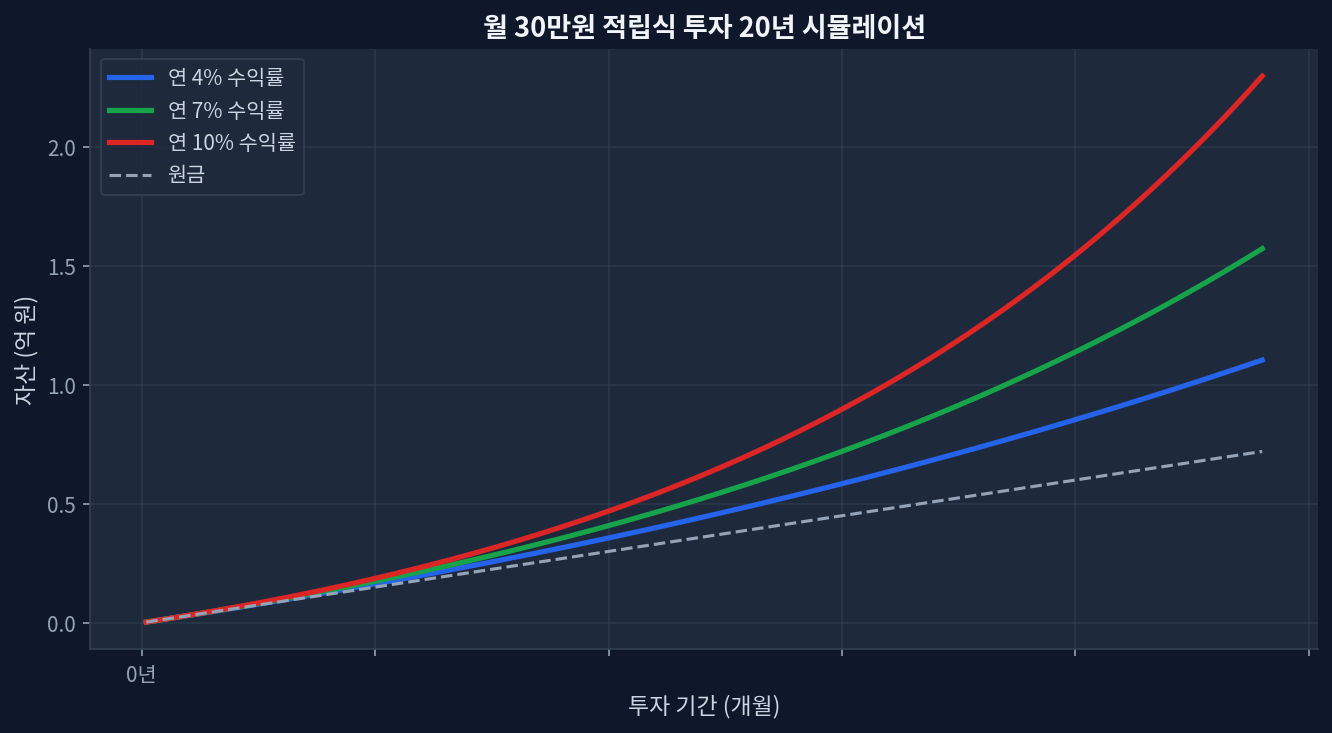
Core TakeawaysHedging Effect: During periods of US dollar strength, currency-hedged ETFs protect returns; during dollar weakness, they sacrifice gains — 2021–2023 USD strength favored unhedged international positionsVolatility Reduction: Hedged international ETFs typically exhibit 15–20% lower volatility than unhedged peers, eliminating currency fluctuation noiseCost Friction: Annual hedging premium ranges 0.5–1.5% — a material drag on low-dividend indicesTax Efficiency: US tax treatment of hedged positions differs; foreign tax credits and wash-sale rules require individual reviewTime Horizon Rule: Unhedged favored for 5+ year holds; hedged worth evaluating for 2-year or shorter positions, or when volatility tolerance is low What Currency Hedging Does: Mechanics and Real Cost Monthly $30K investment 20-year compound growth simulation VXUS vs QQQ core metrics comparison" loading="lazy" style="max-width:100%;border-radius:8px;">VOO vs VXUS vs QQQ: Risk and Return Across Markets When a US investor purchases international equity ETFs, two distinct sources of return emerge: equity price movement in the foreign market, and currency fluctuation relative to the US dollar. Currency-hedged ETFs attempt to neutralize the second component using forward contracts or options, locking in the exchange rate at purchase. ...

June 16, 2026 · InvestIQs Research
Data-Driven Analysis of Tax-Gain Harvesting: Utilizing the 0% LTCG Bracket for US ETFs

Data-Driven Analysis of Tax-Gain Harvesting: Utilizing the 0% LTCG Bracket for US ETFs

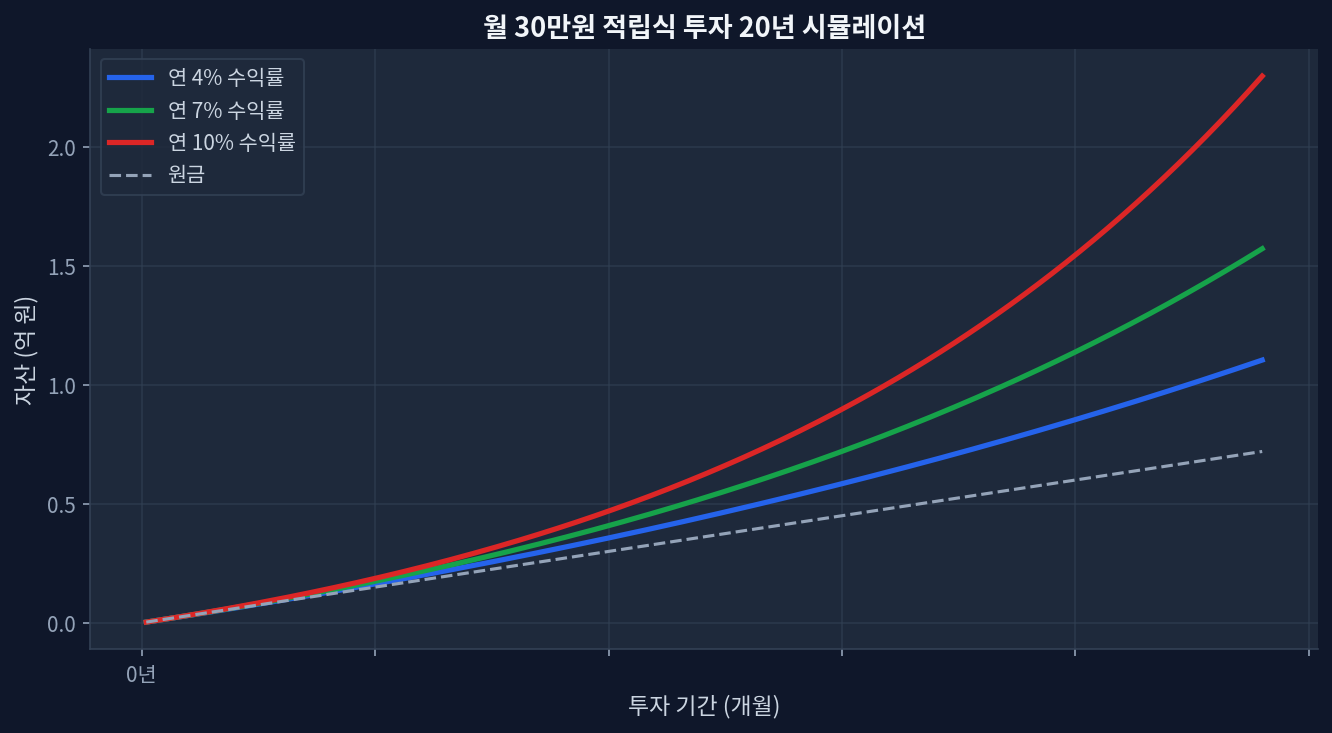
Empirical analysis of tax-gain harvesting utilizing the 0% Long-Term Capital Gains (LTCG) tax bracket to step up cost basis in taxable accounts.Systematically realizing capital gains up to the federal threshold demonstrates a measurable increase in the portfolio's net-of-tax Compound Annual Growth Rate (CAGR) over a 10-year modeling period.Strategic execution—balancing bid-ask spreads, intraday volatility, and zero-wash-sale penalties for gains—remains the critical variable for maintaining underlying market exposure. The Tax Dilemma: Tax-Advantaged Accounts vs. Taxable Brokerages Monthly $30K investment 20-year compound growth simulation Roth IRA, Traditional IRA, and Taxable Brokerage Tax Efficiency Comparison Evaluating tax-advantaged account performance reveals that the structural elimination of tax drag produces substantial alpha over decadal timelines. Within Roth IRAs or 401(k)s, dividends and capital gains compound without immediate federal tax friction. Conversely, operating a primary US ETF portfolio within a standard taxable brokerage account introduces a severe constraint: the 15% or 20% capital gains tax rate upon liquidation. When a portfolio compounds over a decade, unrealized gains grow exponentially. Liquidating a highly appreciated asset block during retirement triggers immediate and punitive tax liabilities, severely compressing the realized CAGR. [IRS Capital Gains Tax Guide] ...

May 24, 2026 · InvestIQs Research