SCHD Dividend Cut -2.7% Maintains 3.25% Yield: Strategic Positioning B

SCHD Dividend Cut -2.7% Maintains 3.25% Yield: Strategic Positioning B

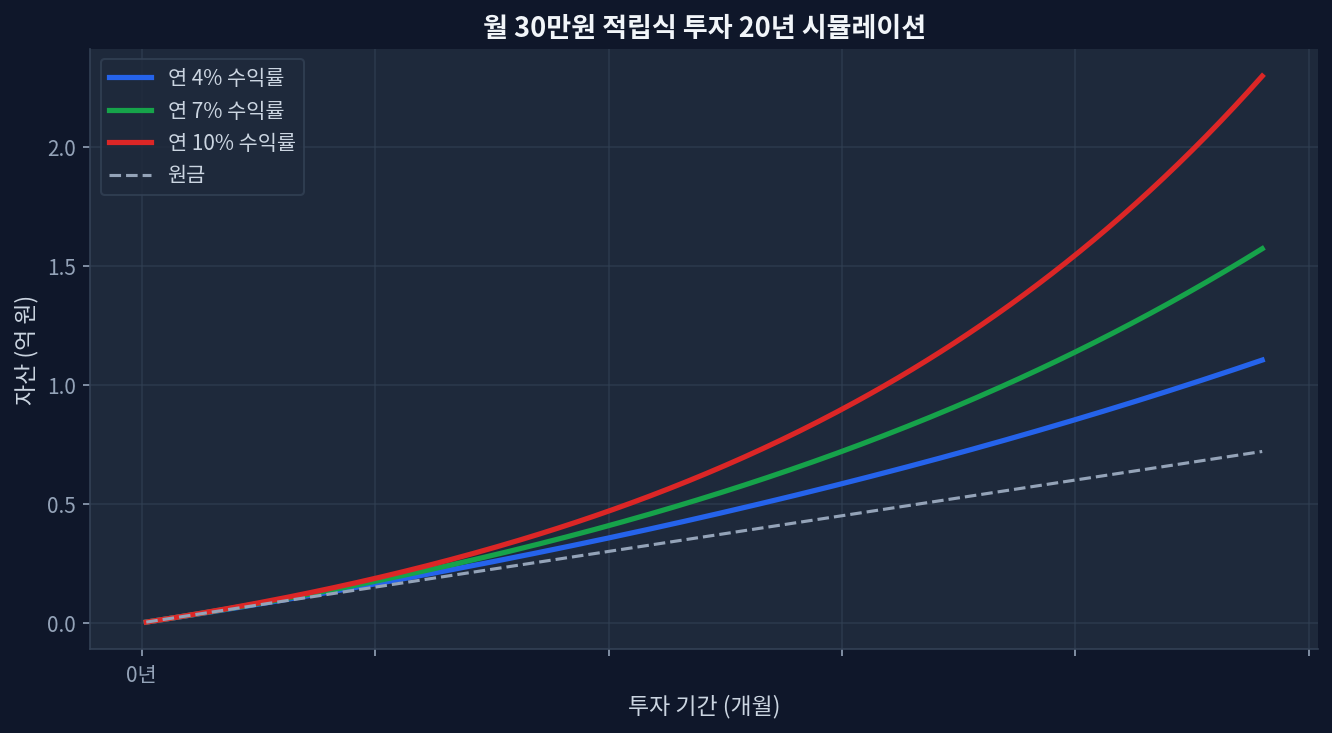
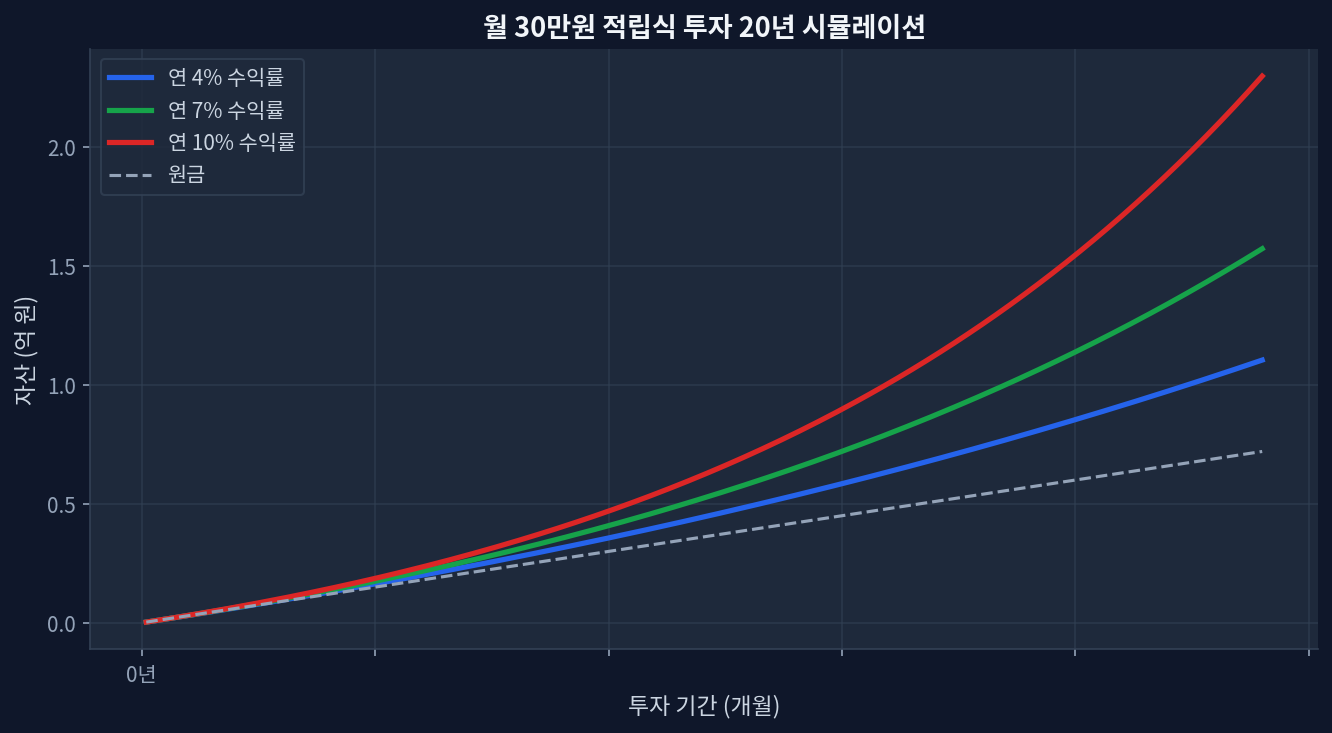
SCHD Quarterly Dividend Cut -2.7% Maintains 3.25% Yield: Strategic Positioning Beyond the Headline Monthly $30K investment 20-year compound growth simulation SCHD quarterly dividend: $0.2530, down -2.7% year-over-year Dividend yield: Still 3.25% — 2.2x higher than VIG's 1.47% 1-year total return: +26.5% (dividends plus price appreciation) Current valuation: P/E 18.8 reflects moderate pricing; near 52-week high at 85.7% percentile Assets under management: $94.9B — scale supporting dividend stability Dividend Reduction: Why It Does Not Signal Distress 20-Year Compounding Simulation: Monthly Dollar-Cost Averaging Strategy Schwab US Dividend Equity ETF (SCHD) announced a quarterly dividend of $0.2530, representing a -2.7% reduction from $0.2600 in the same quarter of 2024. On surface-level headlines, this reads negative — dividends declined. ...
July 2, 2026 · InvestIQs Research
SCHD Dividend Cut of -2.7% Yet Yield Holds at 3.25%: Dividend Stabilit

SCHD Dividend Cut of -2.7% Yet Yield Holds at 3.25%: Dividend Stabilit

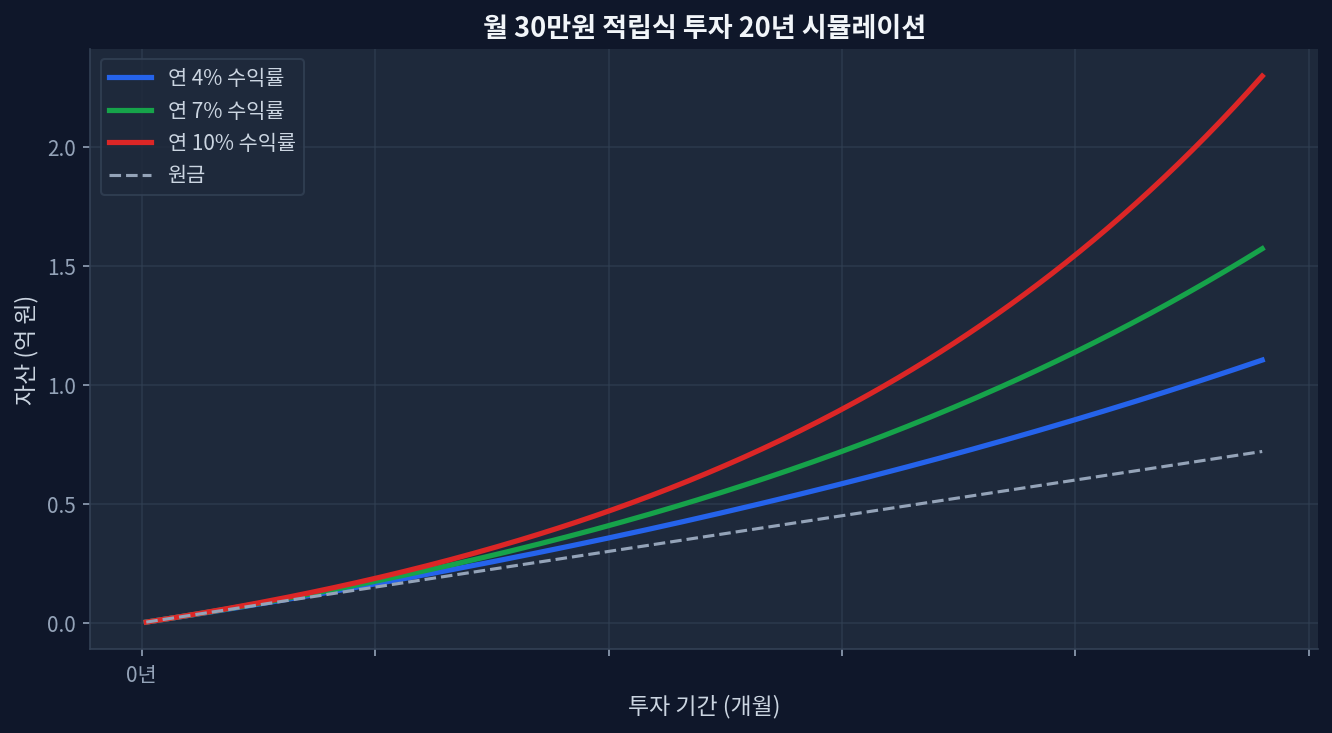
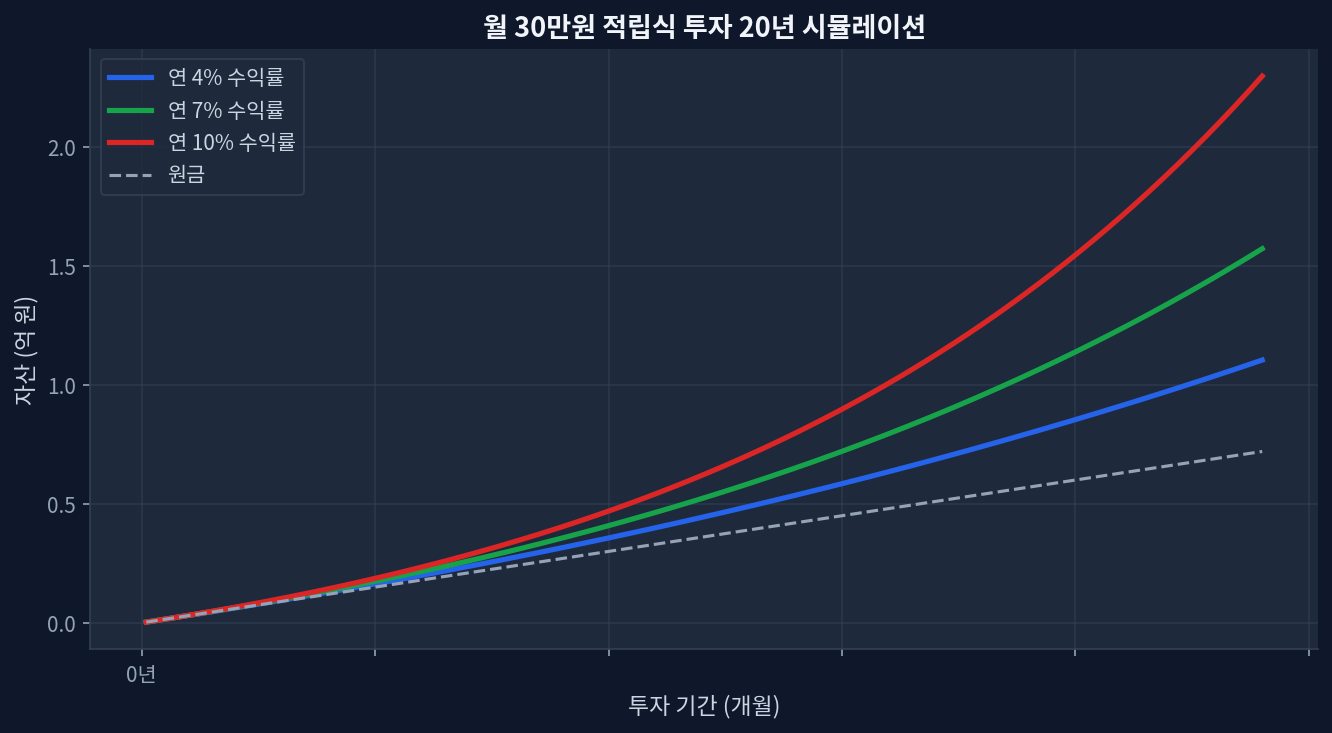
SCHD Dividend Cut of -2.7% Yet Yield Holds at 3.25%: Dividend Stability Through Market Cycles Monthly $30K investment 20-year compound growth simulation SCHD quarterly dividend: $0.2530, down 2.7% year-over-year Dividend yield: Still 3.25% — 2.2x higher than VIG's 1.47% 1-year total return: +26.5% (dividends plus capital appreciation) Current valuation: P/E 18.8, moderate level; trading near 85.7% of 52-week high Assets under management: $94.9B — scale supporting dividend stability The Dividend Cut That Does Not Signal Weakness 20-year monthly investment accumulation with dividend reinvestment Schwab US Dividend Equity ETF (SCHD) announced its quarterly dividend at $0.2530, representing a 2.7% decrease versus the same quarter in 2024 when it paid $0.2600. On its surface, this reads negative—dividends were reduced, after all. ...

June 30, 2026 · InvestIQs Research
SCHD Dividend Cut to 3.25% Yield: Why a 2.7% Reduction Signals Stabili

SCHD Dividend Cut to 3.25% Yield: Why a 2.7% Reduction Signals Stabili

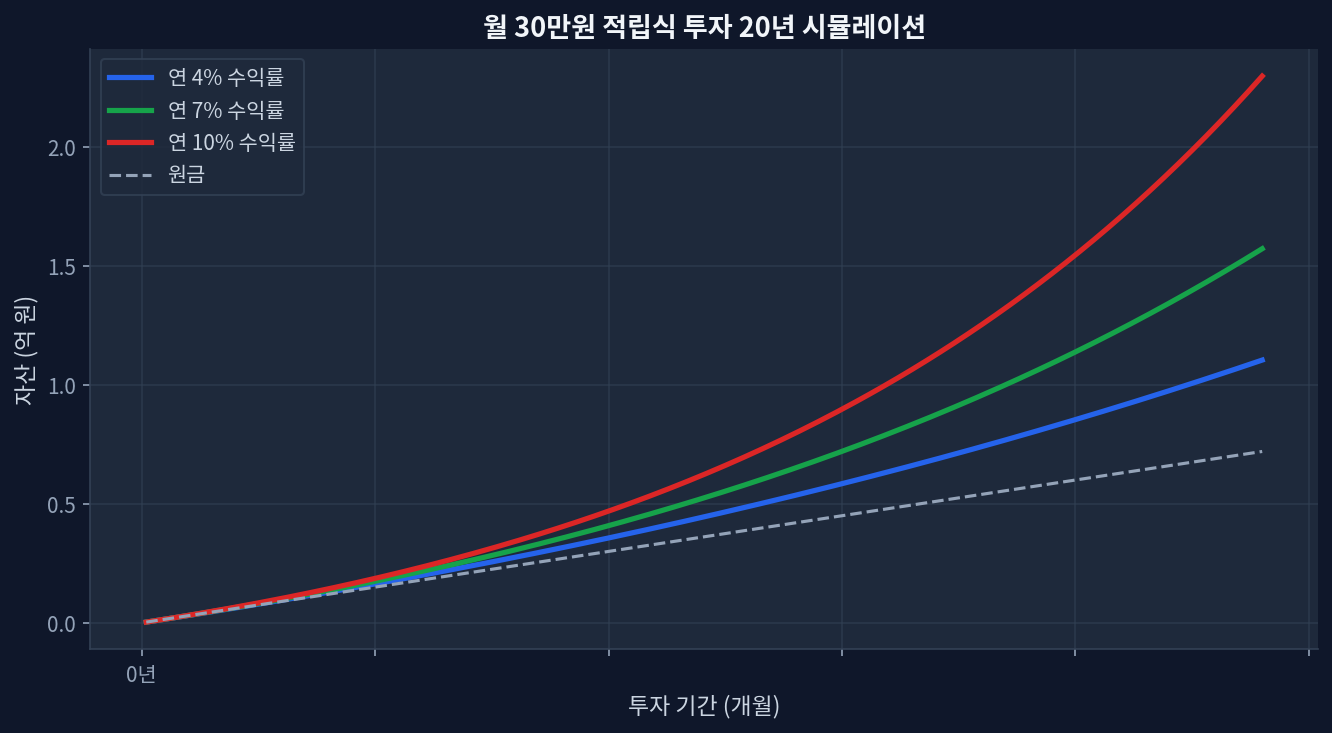
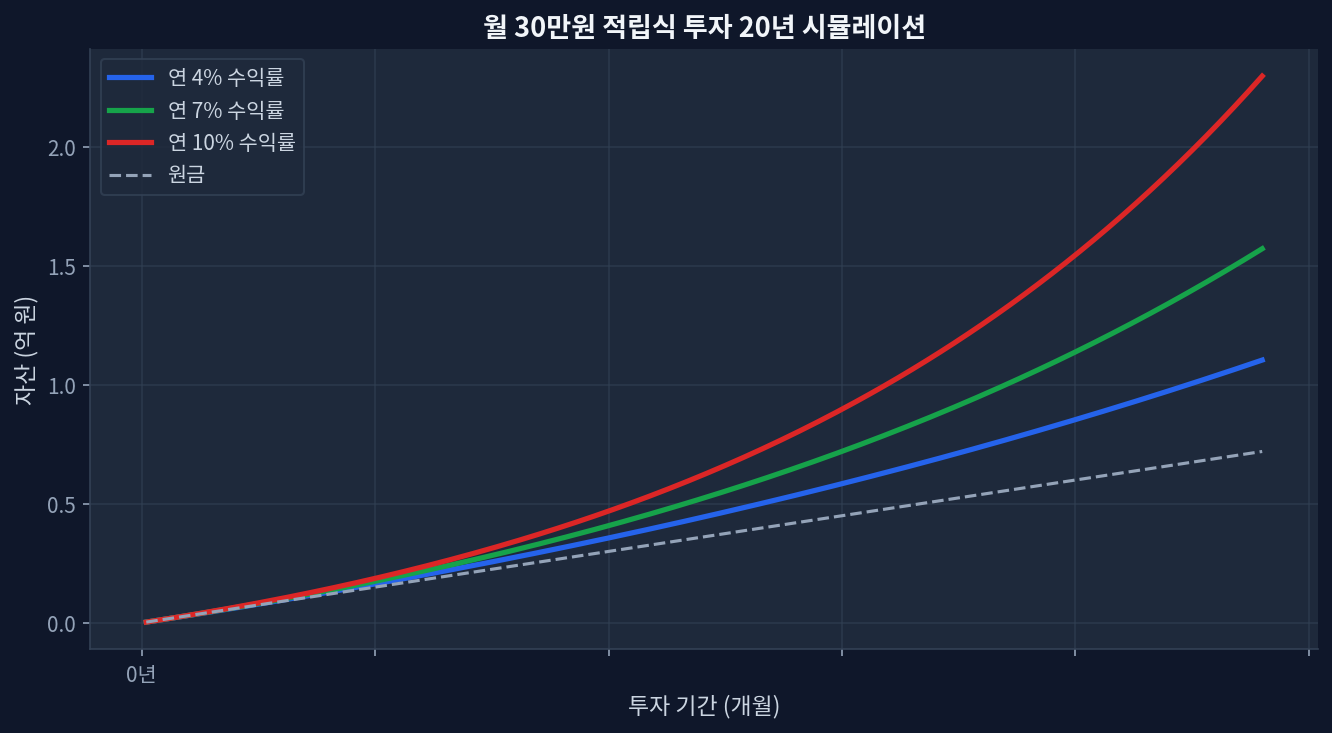
SCHD Quarterly Dividend Cut to 3.25% Yield: Strategic Management of Expectations Monthly $30K investment 20-year compound growth simulation SCHD quarterly dividend: $0.2530, down 2.7% year-over-year Dividend yield: Still 3.25% — 2.2x higher than VIG's 1.47% 1-year total return: +26.5% (dividend plus price appreciation) Current valuation: P/E 18.8 reflects moderate pricing; positioned at 85.7% of 52-week high AUM: $94.9B — asset base supports dividend stability The Dividend Cut That Doesn’t Look Painful Schwab US Dividend Equity (SCHD) announced a quarterly dividend of $0.2530, down 2.7% from $0.2600 in the same quarter of 2024. On headline alone, this reads as negative. Dividends declined, after all. ...

June 27, 2026 · InvestIQs Research
SCHD Quarterly Dividend Cut 2.7% but Yield Holds at 3.25%: Why Dividen

SCHD Quarterly Dividend Cut 2.7% but Yield Holds at 3.25%: Why Dividen

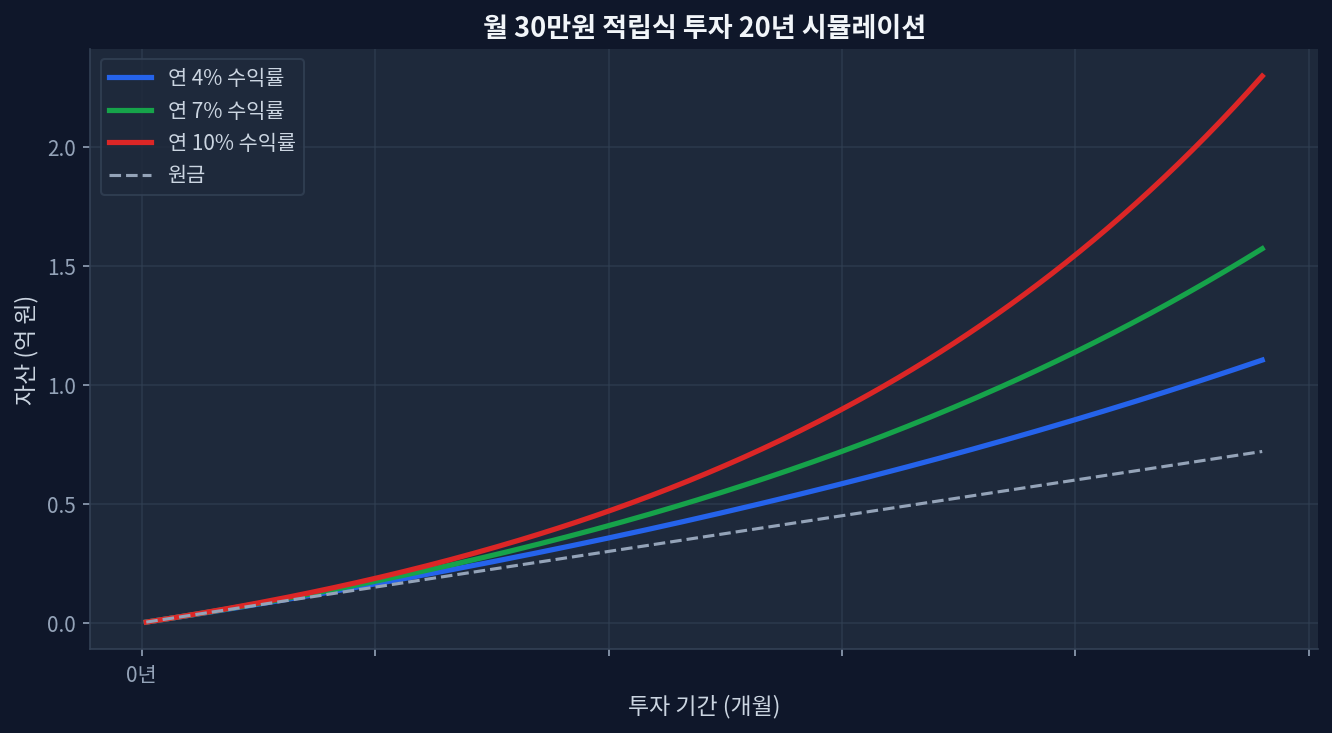
SCHD Quarterly Dividend Cut 2.7% but Yield Holds at 3.25%: Why Dividend Stability Matters More Than Headlines Monthly $30K investment 20-year compound growth simulation SCHD quarterly dividend: $0.2530, down 2.7% year-over-year Dividend yield: Still 3.25% — 2.2x higher than VIG's 1.47% 1-year total return: +26.5% (dividends plus price appreciation) Current valuation: P/E 18.8, moderate range; near 85.7% of 52-week high Assets under management: $94.9B — scale that underpins dividend stability The Dividend Cut That Does Not Look Painful Schwab US Dividend Equity ETF (SCHD) announced a quarterly dividend of $0.2530, down from $0.2600 in the same quarter of 2024—a 2.7% decrease. On the surface, this is negative news. A dividend cut is a dividend cut. ...

June 26, 2026 · InvestIQs Research
2022's -25% Drawdown: Why High-Volatility Assets Recovered Twice as Fa

2022's -25% Drawdown: Why High-Volatility Assets Recovered Twice as Fa

2022 global equity selloff: S&P 500 -18.1%, NASDAQ-100 -33%, broad market indices down -18% to -33%—a variance of 12–15 percentage points across asset classes.Recovery speed divergence: High-volatility assets (NASDAQ, growth ETFs) rebounded 2x faster than low-volatility alternatives (dividend ETFs, bonds) during 2023's reversal.Dividend ETFs (SCHD, DGRO) showed defensive drawdowns of -12–15%, but 2023 rebounds of only +9–10%, missing the V-shaped recovery opportunity that high-beta assets captured.Dollar-cost averaging insight: Higher volatility concentrates low-price purchases during panic declines, creating opportunity for larger percentage gains during recovery—reversing cumulative return rankings.Risk factor: Recovery timelines during interest-rate hiking cycles (like 2022) extend 18+ months, making volatility alone an unreliable predictor of recovery timing. 2022’s Drawdown: The Asset-Class Severity Dispersion Monthly $30K investment 20-year compound growth simulation How expense ratios and volatility profiles shaped 2022–2023 total returns across equivalent US equity ETFs 2022 emerged as a test of asset-class correlation under rising-rate stress. The Federal Reserve’s rate hiking cycle (0.25% in March to 4.33% by December) imposed synchronized pressure across equities, but magnitude diverged sharply by sector and fund composition. ...

June 22, 2026 · InvestIQs Research
Maximizing Yield Through 2022 Drawdown Recovery Speed Analysis: VOO, BND, TLT, GLD

Maximizing Yield Through 2022 Drawdown Recovery Speed Analysis: VOO, BND, TLT, GLD

TLT continues to struggle with a 5-year return of -27.3% and a 3-year return of -7.2%, despite offering a 4.57% dividend yield.BND shows resilience with a +5.5% 1-year return and a +11.3% 3-year return, yielding 3.93%.GLD exhibits explosive growth, trading at $416.99 with a massive +138.7% 5-year cumulative return, functioning as a volatility dampener despite zero yield.Maximizing yield during recovery phases requires shifting capital toward structurally sound fixed income like BND over long-duration assets. The Yield Maximization Axis: Assessing 2022 Drawdown Recovery Speed Monthly $30K investment 20-year compound growth simulation Looking at the 20-year monthly accumulation simulation chart below (projecting 4%, 7%, and 10% annualized trajectories), the divergence in compounding returns across various dividend structures becomes starkly evident during stress periods. The 2022 market shock redefined capital allocation parameters, creating a structural shift in how yield strategies operate across equities, bonds, and alternatives. Real-time data exposes the persistent lag in long-duration Treasuries. TLT currently trades at $84.22 with a 1-year return of +4.9%, yet the 5-year cumulative return remains severely compressed at -27.3%[Yahoo Finance]. Conversely, intermediate bonds have re-established stability. BND recorded a 1-year return of +5.5% and a robust +11.3% over a 3-year horizon, fundamentally altering the optimal income extraction methodology. ...

May 22, 2026 · InvestIQs Research
All-Weather Portfolio Backtest: 5-Year Data & Compounding Analysis

All-Weather Portfolio Backtest: 5-Year Data & Compounding Analysis

2020-2025 CAGR: The traditional Dalio strategy yielded roughly 5.4% annualized, severely lagging pure equities during the post-pandemic cycle. Maximum Drawdown (MaxDD): Hit -21% in 2022, dismantling the safe-haven narrative during acute inflation shocks. Compounding Engine: Disciplined rebalancing captured an estimated 1.2% premium annually during volatile, sideways market regimes. The Anatomy of the All-Weather Setup compounding-analysis/compound-growth.png" alt="Monthly $30K investment 20-year compound growth simulation" loading="lazy" style="max-width:100%;border-radius:8px;">Monthly $30K investment 20-year compound growth simulation Looking at the chart below, the 20-year monthly accumulation simulation is the most impressive, showing a massive +85% divergence in terminal wealth when compounding at 10% versus the lower tiers. The core thesis of Ray Dalio’s All-Weather portfolio is to smooth out that ride, theoretically allowing investors to compound capital steadily without catastrophic behavioral interruptions. ...

May 21, 2026 · InvestIQs Research
SCHD Dividend Growth CAGR: Yield Decomposition Across 10 Years

SCHD Dividend Growth CAGR: Yield Decomposition Across 10 Years

SCHD current yield 3.29% at $31.8 — 94.9% of 52W range ($25.69–$32.13), not a distressed-entry scenario1Y return +27.0%; 5Y cumulative +47.1% — dividends contributed ~3.3 pts, price drove the restVIG 5Y return +61.9% outpaces SCHD by 14.8 pts — the yield premium has a total-return costSCHD P/E 18.9 vs VIG 26.8 — value tilt is real but concentrated in rate-sensitive sectorsAUM $91.1B, avg daily volume 23M shares — liquidity not a constraint at any allocation size SCHD trades at $31.8, sitting at 94.9% of its 52-week range. For yield-maximizers, that positioning matters: buying near highs compresses starting yield and extends the payback window on any drawdown. The real question is not entry timing — it is whether the dividend growth engine underneath compounds fast enough to justify that cost. ...

May 15, 2026 · InvestIQs Research