Rethinking the 60/40 Portfolio: A 10-Year BND vs. TLT Allocation Analysis

Rethinking the 60/40 Portfolio: A 10-Year BND vs. TLT Allocation Analysis

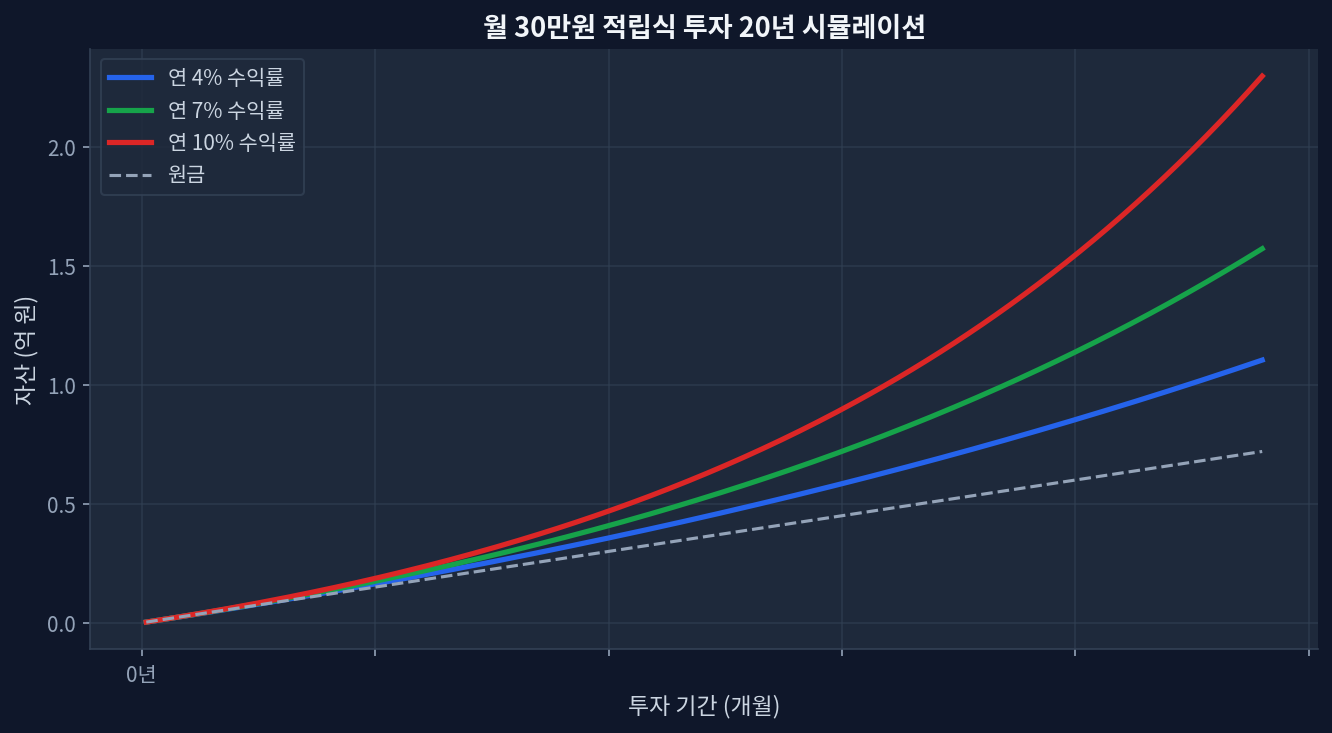
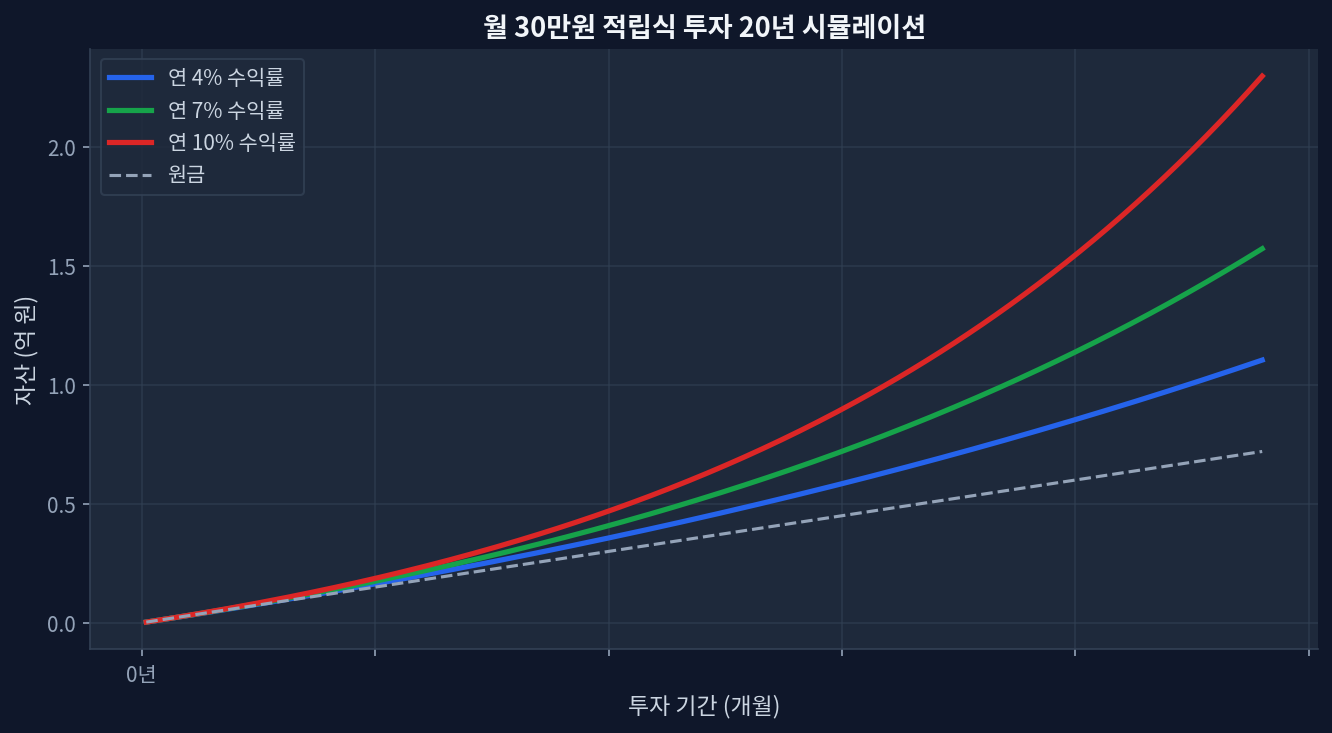
The classic 60/40 portfolio faces secular headwinds, highlighted by BND's stagnant 5-year return of +0.0%. TLT's deep -27.8% 5-year drawdown challenges the assumption that long-duration bonds always hedge equity risk. Current yield profiles (BND at 3.93%, TLT at 4.57%) present a yield-versus-duration risk tradeoff. Rebalancing strategies must account for the high correlation observed between stocks and bonds since 2022. The Stagnation of the 60/40 Portfolio: A 10-Year Bond Data Analysis Monthly $30K investment 20-year compound growth simulation Looking at the automated chart below representing a 20-year monthly $300 investment simulation at 4%, 7%, and 10% annual yields, the compounding effect is profound. However, this growth assumes consistent positive nominal returns, an assumption severely tested by recent bond market behavior. The traditional 60/40 portfolio—allocating 60% to equities and 40% to fixed income—has long relied on bonds to provide a steady ballast. Yet, analyzing the 10-year data through the lens of dominant bond ETFs reveals structural vulnerabilities. ...
May 20, 2026 · InvestIQs Research
Volatility and Risk in Monthly Dividend ETFs: The Yield vs. Total Retu

Volatility and Risk in Monthly Dividend ETFs: The Yield vs. Total Retu

JEPQ recorded a 10.33% dividend yield and a 78.0% 3-year cumulative total return, demonstrating a strong outperformance trajectory in a high-volatility market environment.JEPI yielded 8.29% with a 1-year total return of only 8.5%, exposing the structural risk of covered calls where returns are compromised by upside capping.Empirical data supports that underlying asset P/E valuations and volatility (VIX) regime shifts are the core factors determining long-term total return, rather than superficial high dividend yields. The most critical cognitive error observed in the monthly dividend ETF market is the blind faith that the size of the yield equates to the actual return on investment. [ETF.com] Covered call ETFs that pay high monthly dividends fundamentally possess a derivative structure, selling future upside volatility to collect a cash premium in the present. Therefore, an allocation strategy that solely chases superficial yield metrics while ignoring the fundamental risk of underlying assets and macroeconomic volatility regimes will inevitably face the structural limitation of long-term capital erosion. Based on real-time data from major monthly dividend ETFs currently recording the highest AUM, this research presents analysis that counters popular consensus from a risk-reward perspective. ...

May 18, 2026 · InvestIQs Research