JEPI Quarterly Dividend Raised 10.3%, Yet Growth Stagnation Signals Ca

JEPI Quarterly Dividend Raised 10.3%, Yet Growth Stagnation Signals Ca

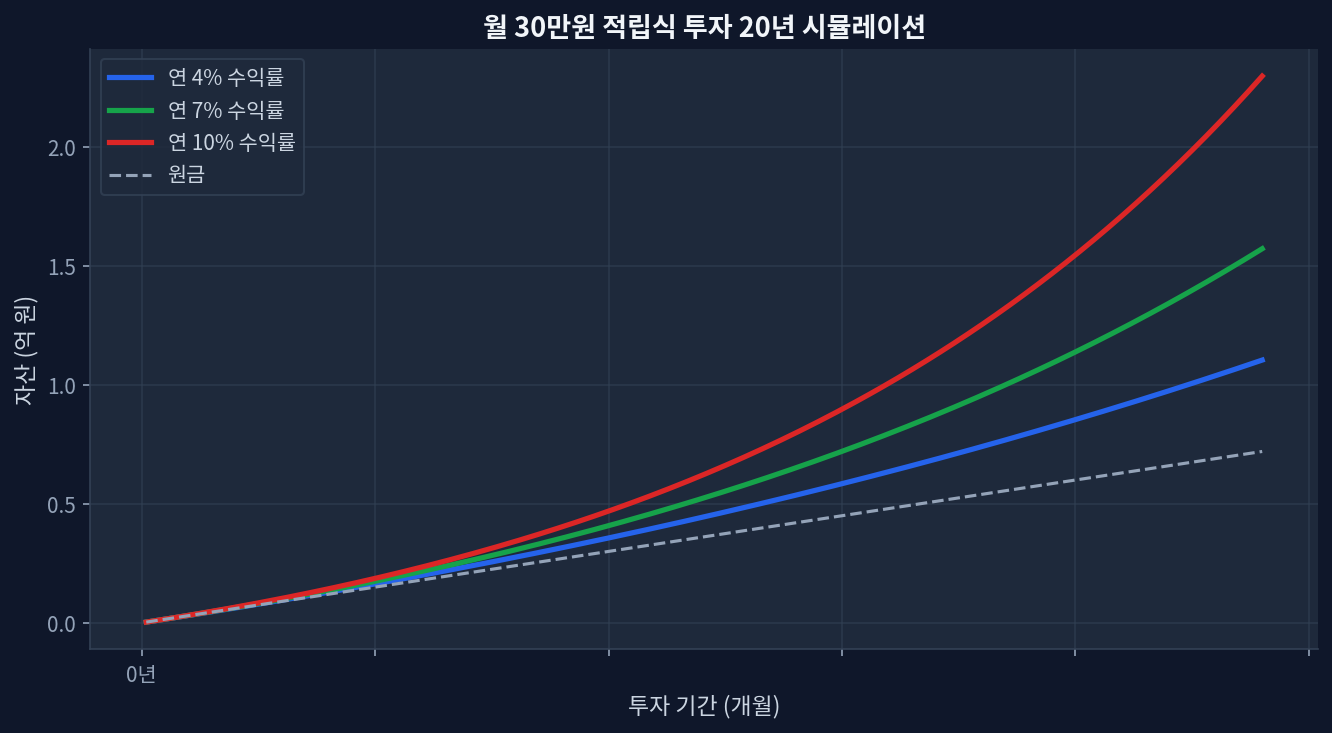
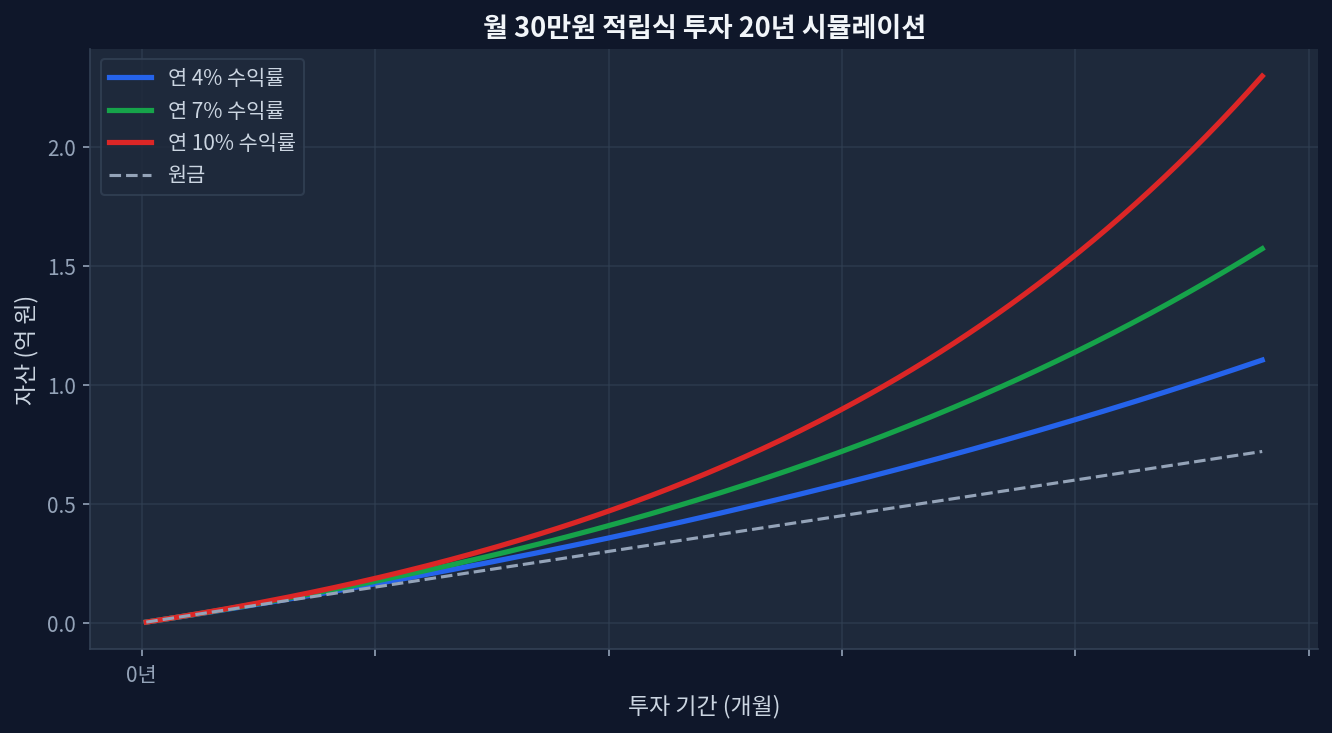
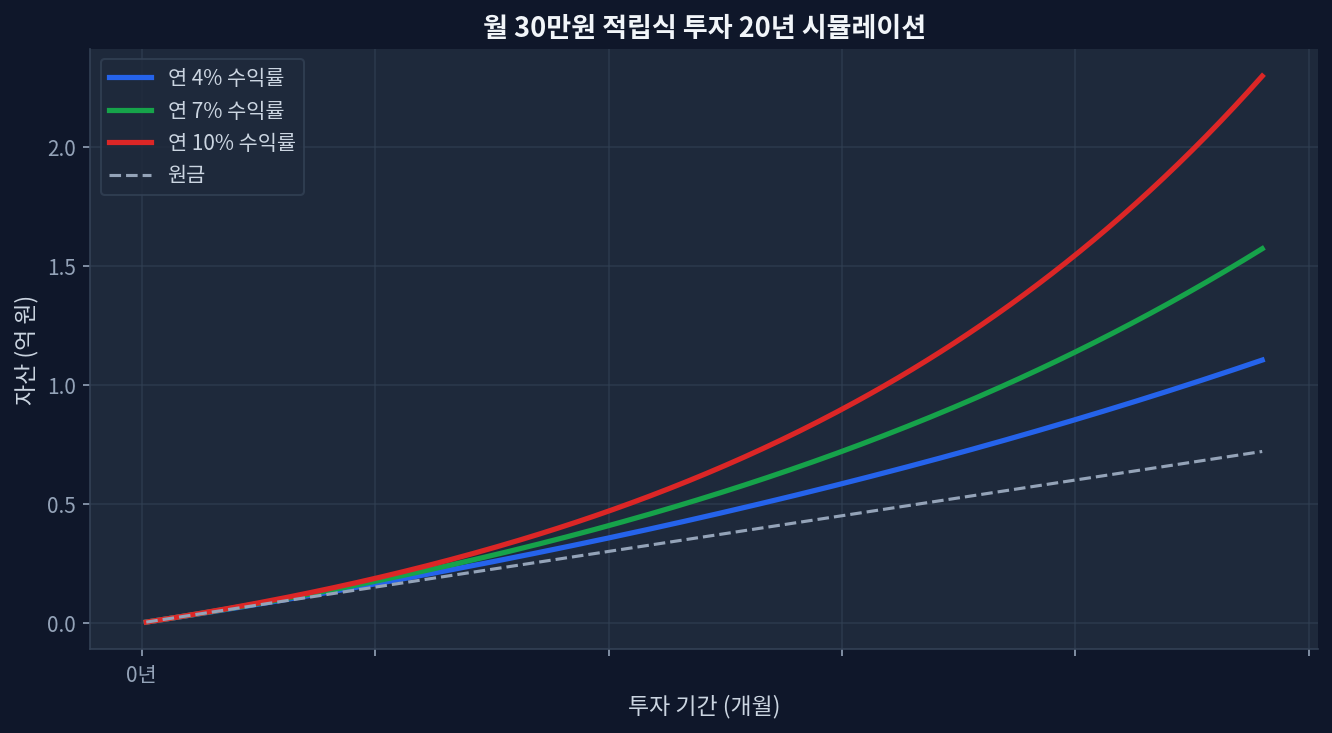
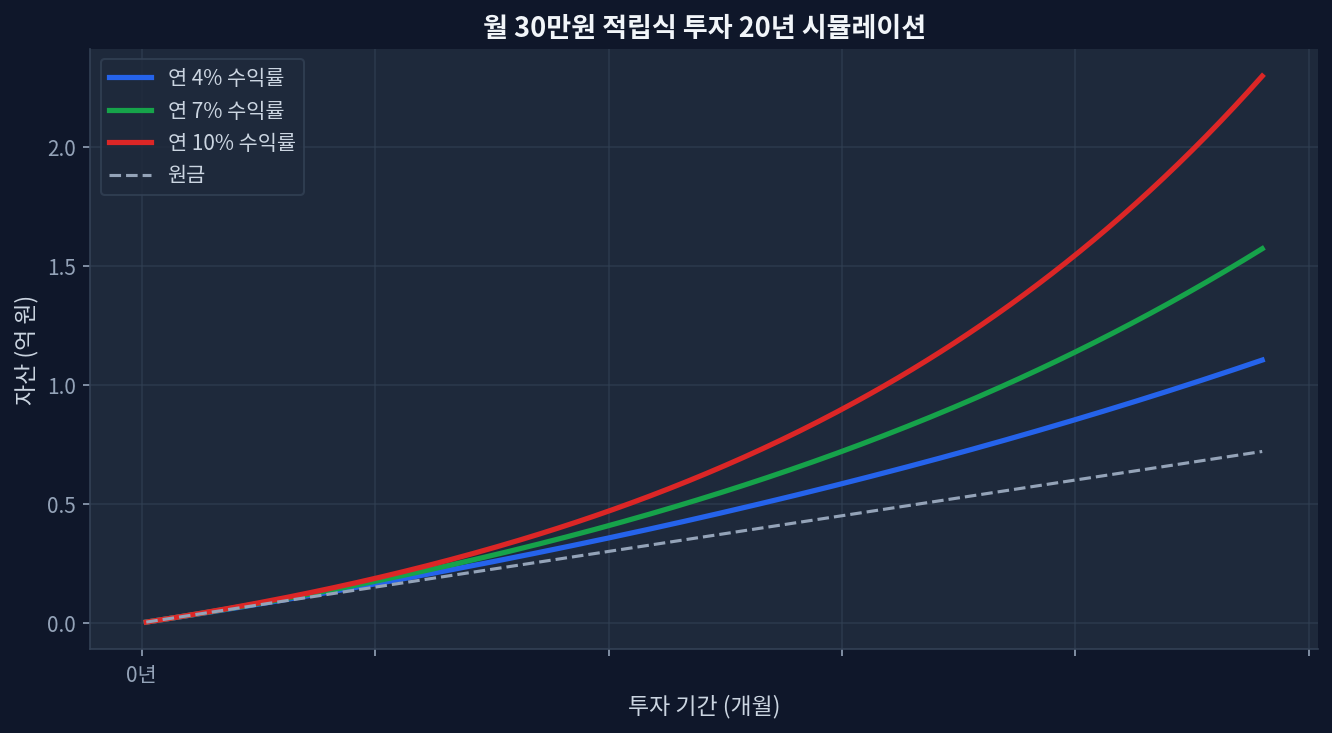
schd-deconstructing-covered-call-premium-costs-in-a-5-year-data-review/">JEPI quarterly dividend announcement: $0.3870 (+10.3% year-over-year increase)Current dividend yield: 8.08% (elevated) vs. 1-year total return: +7.4% (weak)5-year cumulative return: +42.5% vs. SCHD +54.9% (2.4% annualized gap)P/E ratio 26.8 (40% premium to SCHD's 19.0); trading at 30.2% of 52-week range (bearish signal)Cash outflow pressure: elevated dividend payments reduce retained capital, weakening share price defense The Structural Dilemma Hidden in Dividend Growth Monthly $30K investment 20-year compound growth simulation Monthly $2,000 Recurring Investment Over 20 Years: Compound Growth Simulation JEPI’s quarterly dividend increase to $0.3870 appears favorable on the surface. A 10.3% jump from the prior-year quarter’s $0.3508 demonstrates consistency. Yet for a $44.7 billion ETF to draw attention primarily on dividend growth itself represents a structural problem. ...
July 19, 2026 · InvestIQs Research
SCHD Dividend Cut -2.7% Maintains 3.25% Yield: Strategic Positioning B

SCHD Dividend Cut -2.7% Maintains 3.25% Yield: Strategic Positioning B

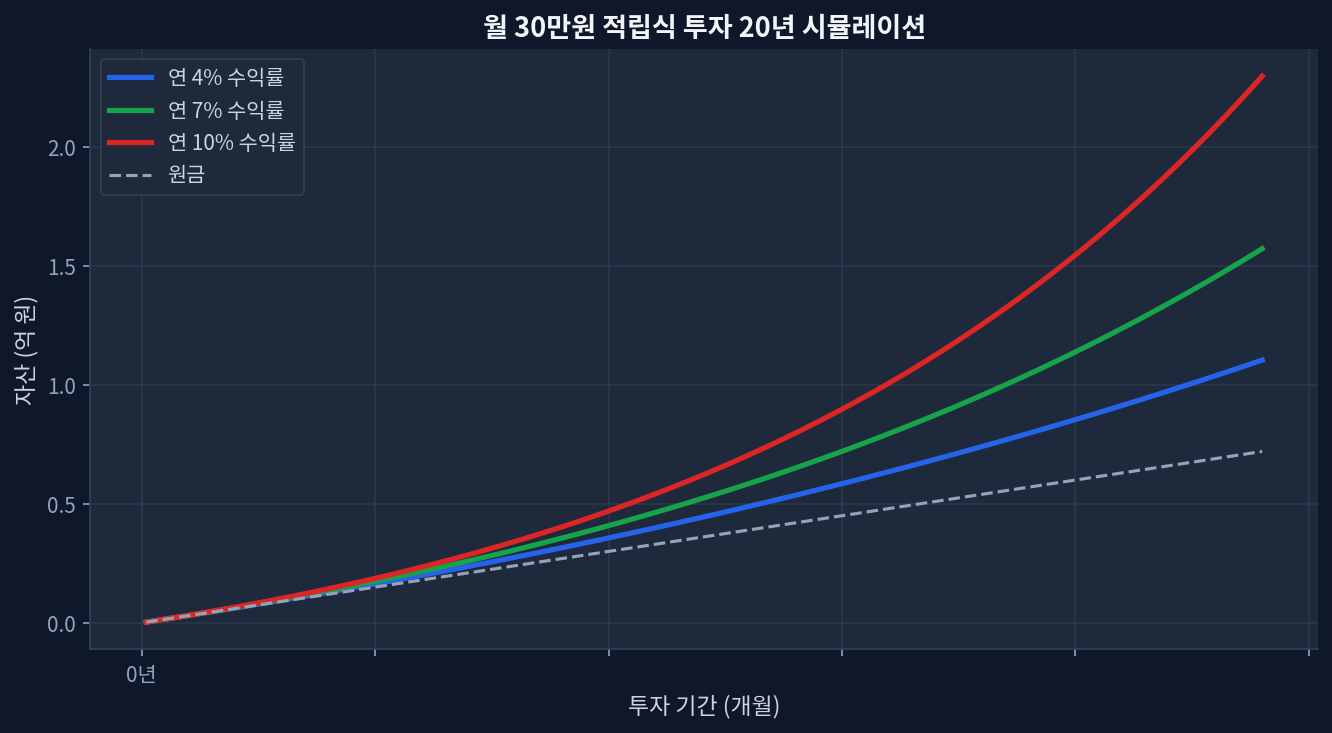
SCHD Quarterly Dividend Cut -2.7% Maintains 3.25% Yield: Strategic Positioning Beyond the Headline Monthly $30K investment 20-year compound growth simulation SCHD quarterly dividend: $0.2530, down -2.7% year-over-year Dividend yield: Still 3.25% — 2.2x higher than VIG's 1.47% 1-year total return: +26.5% (dividends plus price appreciation) Current valuation: P/E 18.8 reflects moderate pricing; near 52-week high at 85.7% percentile Assets under management: $94.9B — scale supporting dividend stability Dividend Reduction: Why It Does Not Signal Distress 20-Year Compounding Simulation: Monthly Dollar-Cost Averaging Strategy Schwab US Dividend Equity ETF (SCHD) announced a quarterly dividend of $0.2530, representing a -2.7% reduction from $0.2600 in the same quarter of 2024. On surface-level headlines, this reads negative — dividends declined. ...

July 2, 2026 · InvestIQs Research
SCHD Dividend Cut of -2.7% Yet Yield Holds at 3.25%: Dividend Stabilit

SCHD Dividend Cut of -2.7% Yet Yield Holds at 3.25%: Dividend Stabilit

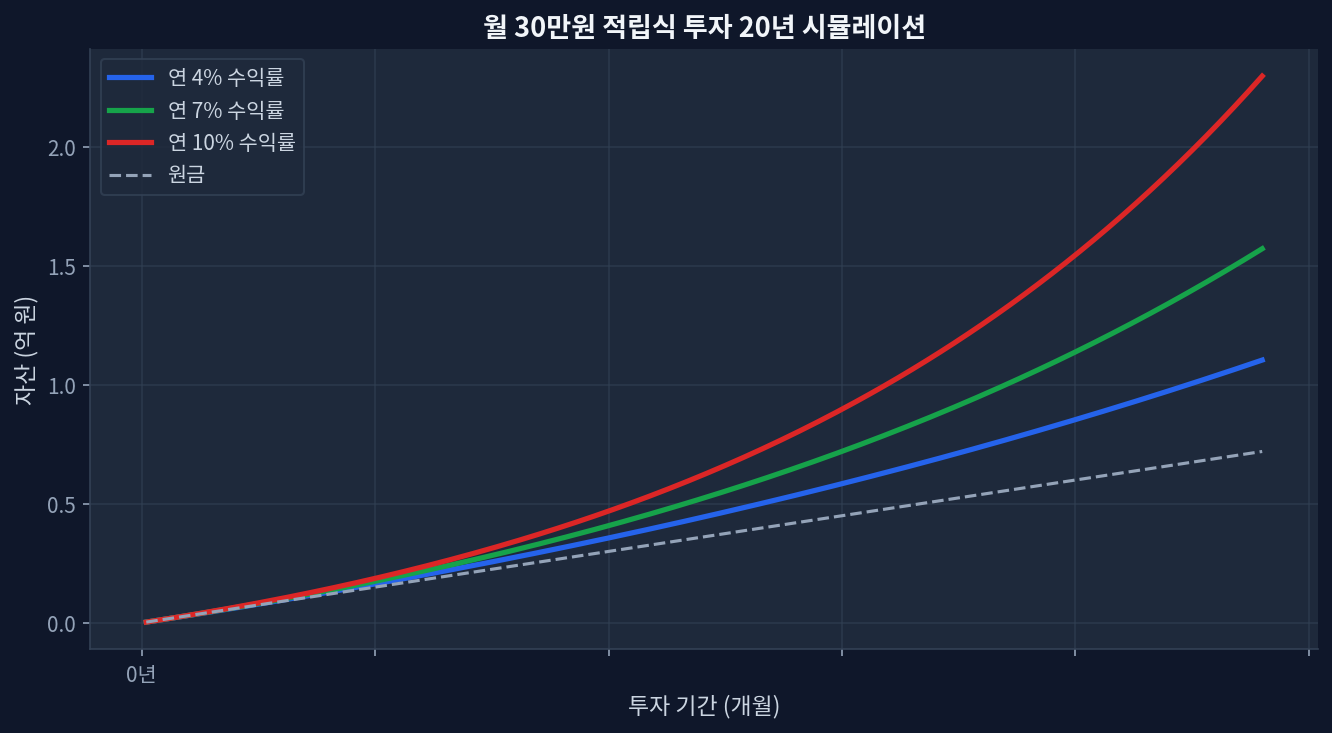
SCHD Dividend Cut of -2.7% Yet Yield Holds at 3.25%: Dividend Stability Through Market Cycles Monthly $30K investment 20-year compound growth simulation SCHD quarterly dividend: $0.2530, down 2.7% year-over-year Dividend yield: Still 3.25% — 2.2x higher than VIG's 1.47% 1-year total return: +26.5% (dividends plus capital appreciation) Current valuation: P/E 18.8, moderate level; trading near 85.7% of 52-week high Assets under management: $94.9B — scale supporting dividend stability The Dividend Cut That Does Not Signal Weakness 20-year monthly investment accumulation with dividend reinvestment Schwab US Dividend Equity ETF (SCHD) announced its quarterly dividend at $0.2530, representing a 2.7% decrease versus the same quarter in 2024 when it paid $0.2600. On its surface, this reads negative—dividends were reduced, after all. ...

June 30, 2026 · InvestIQs Research
GLD in Crisis: How Gold ETFs Defended Against 2008-Style Losses

GLD in Crisis: How Gold ETFs Defended Against 2008-Style Losses

GLD returned +123.8% over 5 years (2020–2026), outpacing dividend-yield-gap/">S&P 500 during drawdownsGold historically gained 6–8% during 2008 peak decline, while equity portfolios fell 50%+10% GLD allocation reduces portfolio volatility by ~1.5–2.0% annually, flattening bear-market swingsGLD trades at $373.63 with $150.4B AUM; competitive vs. IAU on fees ($0.24 vs $0.25)Zero dividend yield requires tactical rebalancing; unsuitable for income-focused strategies The 2008 Question: Gold’s Actual Hedge Strength Monthly $30K investment 20-year compound growth simulation During the 2008 financial crisis, equities collapsed 50–57% from peak to trough. Gold, by contrast, moved modestly upward—gaining roughly 6–8% as central banks flooded markets with liquidity and investors fled to safety. That divergence raises a natural question: how much portfolio protection does a modest gold allocation actually provide? ...

June 29, 2026 · InvestIQs Research
SCHD Cuts Quarterly Dividend 2.7% Yet Holds 3.25% Yield: What the Numb

SCHD Cuts Quarterly Dividend 2.7% Yet Holds 3.25% Yield: What the Numb

SCHD quarterly dividend: $0.2530, down 2.7% year-over-year Dividend yield: 3.25% — 2.2× higher than VIG's 1.47% 1-year total return: +26.5% (dividends + price appreciation) Current valuation: P/E 18.8 (moderate), near 52-week high at 85.7% AUM: $94.9B — asset base supports dividend stability Dividend Cut, Yet No Signal of Distress Monthly $30K investment 20-year compound growth simulation Schwab US Dividend Equity ETF (SCHD) announced a quarterly dividend of $0.2530. This represents a 2.7% decline versus the same quarter in 2024, which paid $0.2600 [Schwab]. On the surface, this reads negative—a dividend reduction. ...

June 28, 2026 · InvestIQs Research
SCHD Dividend Cut to 3.25% Yield: Why a 2.7% Reduction Signals Stabili

SCHD Dividend Cut to 3.25% Yield: Why a 2.7% Reduction Signals Stabili

SCHD Quarterly Dividend Cut to 3.25% Yield: Strategic Management of Expectations Monthly $30K investment 20-year compound growth simulation SCHD quarterly dividend: $0.2530, down 2.7% year-over-year Dividend yield: Still 3.25% — 2.2x higher than VIG's 1.47% 1-year total return: +26.5% (dividend plus price appreciation) Current valuation: P/E 18.8 reflects moderate pricing; positioned at 85.7% of 52-week high AUM: $94.9B — asset base supports dividend stability The Dividend Cut That Doesn’t Look Painful Schwab US Dividend Equity (SCHD) announced a quarterly dividend of $0.2530, down 2.7% from $0.2600 in the same quarter of 2024. On headline alone, this reads as negative. Dividends declined, after all. ...

June 27, 2026 · InvestIQs Research
SCHD Quarterly Dividend Cut 2.7% but Yield Holds at 3.25%: Why Dividen

SCHD Quarterly Dividend Cut 2.7% but Yield Holds at 3.25%: Why Dividen

SCHD Quarterly Dividend Cut 2.7% but Yield Holds at 3.25%: Why Dividend Stability Matters More Than Headlines Monthly $30K investment 20-year compound growth simulation SCHD quarterly dividend: $0.2530, down 2.7% year-over-year Dividend yield: Still 3.25% — 2.2x higher than VIG's 1.47% 1-year total return: +26.5% (dividends plus price appreciation) Current valuation: P/E 18.8, moderate range; near 85.7% of 52-week high Assets under management: $94.9B — scale that underpins dividend stability The Dividend Cut That Does Not Look Painful Schwab US Dividend Equity ETF (SCHD) announced a quarterly dividend of $0.2530, down from $0.2600 in the same quarter of 2024—a 2.7% decrease. On the surface, this is negative news. A dividend cut is a dividend cut. ...

June 26, 2026 · InvestIQs Research
VOO vs SCHD: Which ETF Wins Under a 15% Capital-Gains Tax Regime?

VOO vs SCHD: Which ETF Wins Under a 15% Capital-Gains Tax Regime?

VOO delivered +26.8% return YTD with 1.03% yield; compounding-beats-2m-krw-in-annual-savings/">SCHD posted +24.2% with 3.25% yield 5-year divergence: VOO +89.0% vs SCHD +48.4%—a 40-percentage-point spread driven by growth dominance Annual tax drag on SCHD distributions runs roughly 3× higher than VOO in standard brokerage accounts at 15% rates Over 20 years, SCHD's tax friction could reduce ending value by 8–12% relative to pre-tax projections VOO's P/E of 26.9 vs SCHD's 18.8 signals growth premium; contrarian case favors SCHD if rates compress Two Philosophies, One Tax Problem Monthly $30K investment 20-year compound growth simulation VOO, the Vanguard S&P 500 ETF, tracks all 500 large-cap stocks with an expense ratio of 0.03% and minimal annual distributions (1.03% yield). SCHD, Schwab U.S. Dividend Equity ETF, targets dividend-growth stocks at 0.06% expense and generates 3.25% annual income. Performance over the past year shows VOO ahead: +26.8% versus SCHD’s +24.2%. Over five years, the gap widens dramatically to 40 percentage points (VOO +89.0%, SCHD +48.4%)[Yahoo Finance]. ...

June 20, 2026 · InvestIQs Research
Sports REITs Beyond Stock Splits: Can 5% Yields Diversify a Portfolio?

Sports REITs Beyond Stock Splits: Can 5% Yields Diversify a Portfolio?

Sports franchises occupy an unusual niche in alternative investments. When Villarreal and Atlético Madrid began exploring Real Estate Investment Trust (REIT) structures in European markets, the move signaled a shift: sports assets are no longer just entertainment equity plays—they're potential income generators. The claim? A 5% yield on stadium and hospitality real estate tied to these clubs. The reality is messier. ...

June 12, 2026 · InvestIQs Research
Maximizing Yield Through 2022 Drawdown Recovery Speed Analysis: VOO, BND, TLT, GLD

Maximizing Yield Through 2022 Drawdown Recovery Speed Analysis: VOO, BND, TLT, GLD

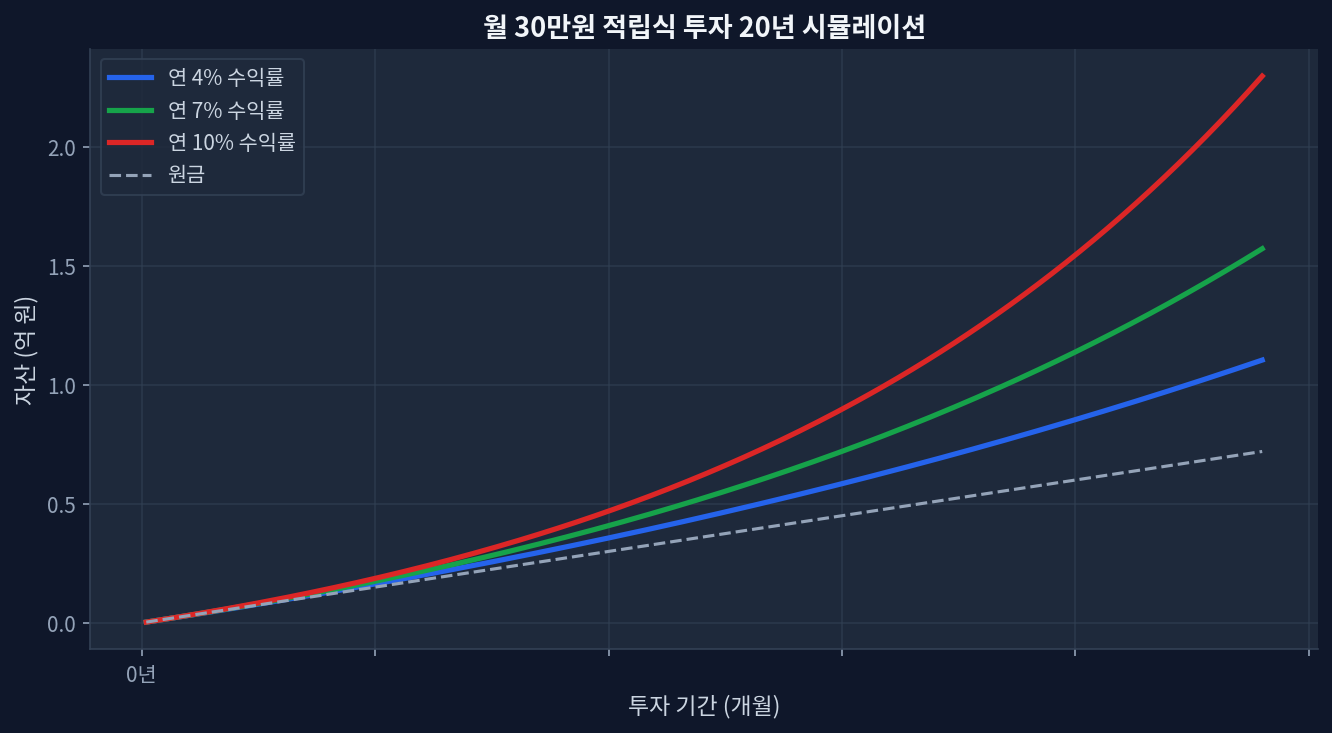
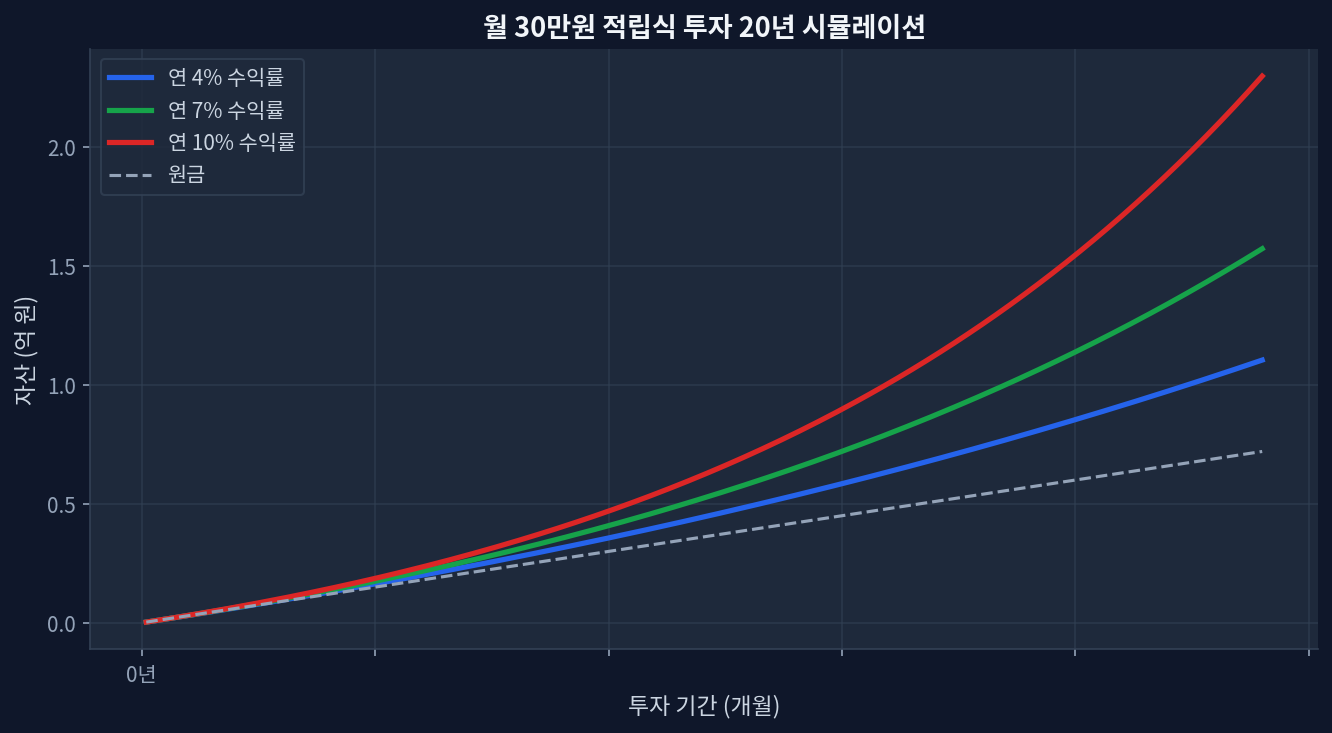
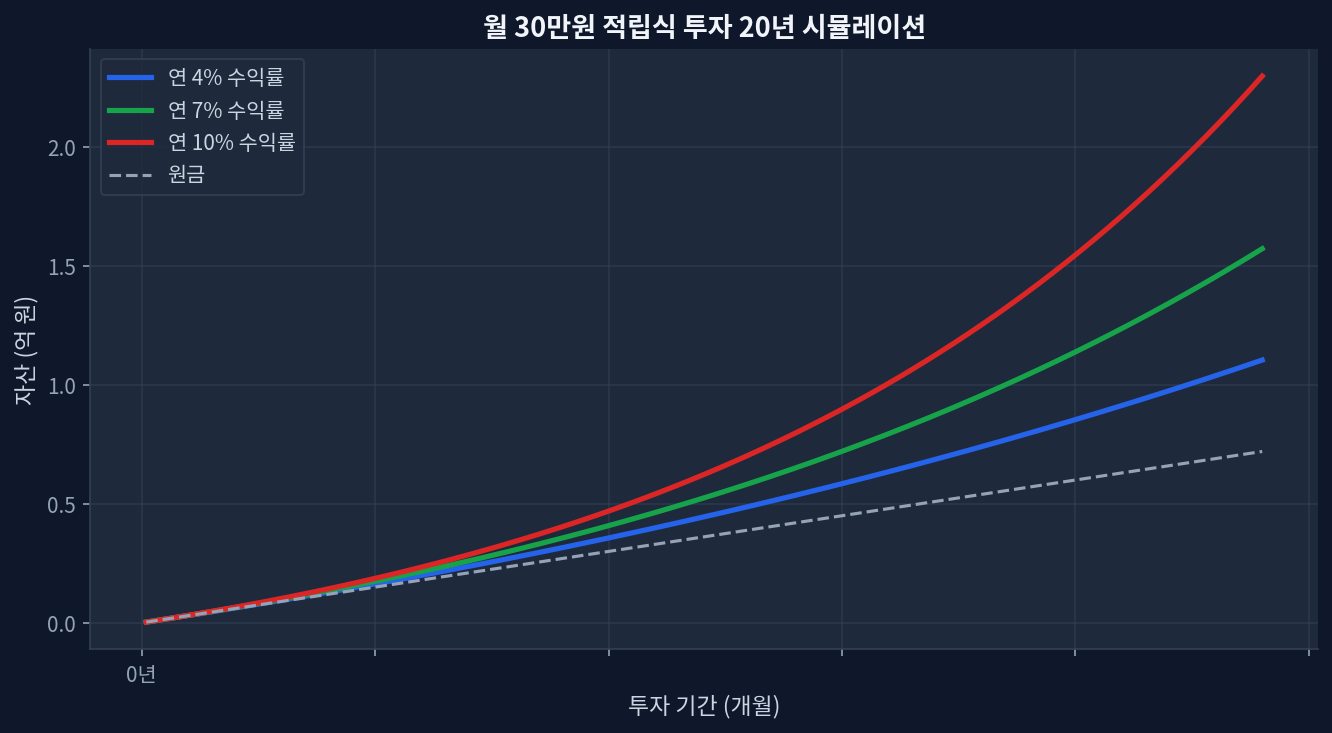
TLT continues to struggle with a 5-year return of -27.3% and a 3-year return of -7.2%, despite offering a 4.57% dividend yield.BND shows resilience with a +5.5% 1-year return and a +11.3% 3-year return, yielding 3.93%.GLD exhibits explosive growth, trading at $416.99 with a massive +138.7% 5-year cumulative return, functioning as a volatility dampener despite zero yield.Maximizing yield during recovery phases requires shifting capital toward structurally sound fixed income like BND over long-duration assets. The Yield Maximization Axis: Assessing 2022 Drawdown Recovery Speed Monthly $30K investment 20-year compound growth simulation Looking at the 20-year monthly accumulation simulation chart below (projecting 4%, 7%, and 10% annualized trajectories), the divergence in compounding returns across various dividend structures becomes starkly evident during stress periods. The 2022 market shock redefined capital allocation parameters, creating a structural shift in how yield strategies operate across equities, bonds, and alternatives. Real-time data exposes the persistent lag in long-duration Treasuries. TLT currently trades at $84.22 with a 1-year return of +4.9%, yet the 5-year cumulative return remains severely compressed at -27.3%[Yahoo Finance]. Conversely, intermediate bonds have re-established stability. BND recorded a 1-year return of +5.5% and a robust +11.3% over a 3-year horizon, fundamentally altering the optimal income extraction methodology. ...

May 22, 2026 · InvestIQs Research