JEPQ's 25.1% Dividend Hike: The Hidden Mechanics Behind 9.95% Yield

JEPQ's 25.1% Dividend Hike: The Hidden Mechanics Behind 9.95% Yield

Quarterly Dividend: $0.6370 announced, up 25.1% year-over-year Dividend Yield: 9.95% vs JEPI 8.08% (JEPI shows superior dividend stability) 1-Year Total Return: JEPQ +19.0% vs JEPI +7.4% (JEPQ demonstrates higher aggressiveness) Current Price: $58.51, 5.2% below 52-week high of $61.72 Critical Caveat: High dividend relies on option premium generation—sharp drawdowns carry significant distribution cut risk JEPQ (JPMorgan Nasdaq-100 Options Income ETF) announced a quarterly dividend of $0.6370, representing a 25.1% year-over-year increase. This translates to a stated dividend yield of 9.95%. Among retail investors encountering this data for the first time, a recurring question surfaces: “With S&P 500 dividend yields languishing near 1.4%, is a 9.95% yield truly compelling, or does it mask structural fragility?” ...
July 18, 2026 · InvestIQs Research
JEPI's $0.3890 Dividend Increase: Reassessing Income and Growth Mechan

JEPI's $0.3890 Dividend Increase: Reassessing Income and Growth Mechan

JEPI announced a quarterly dividend of $0.3890, representing a 13.1% increase year-over-year. Covered call strategies typically face skepticism regarding income sustainability and total return potential. However, JEPI's dividend growth rate signals a shift in market mechanics. This warrants a reassessment of its role within broader portfolio construction. ...

June 14, 2026 · InvestIQs Research

Portfolio Income Calculator — Estimate Blended Dividend Yield

Why blended yield matters When you hold multiple dividend ETFs, each with a different yield and expense ratio, the income your portfolio actually generates depends on how much you have in each. A blended yield — weighted by your dollar amounts — gives a more accurate picture than looking at any single ETF in isolation. This tool does that math for you. ...

June 14, 2026 · InvestIQs Editorial
Korean Income Tax Filing Guide: The Dividend Threshold and IRP/ISA Tax Strategy

Korean Income Tax Filing Guide: The Dividend Threshold and IRP/ISA Tax Strategy

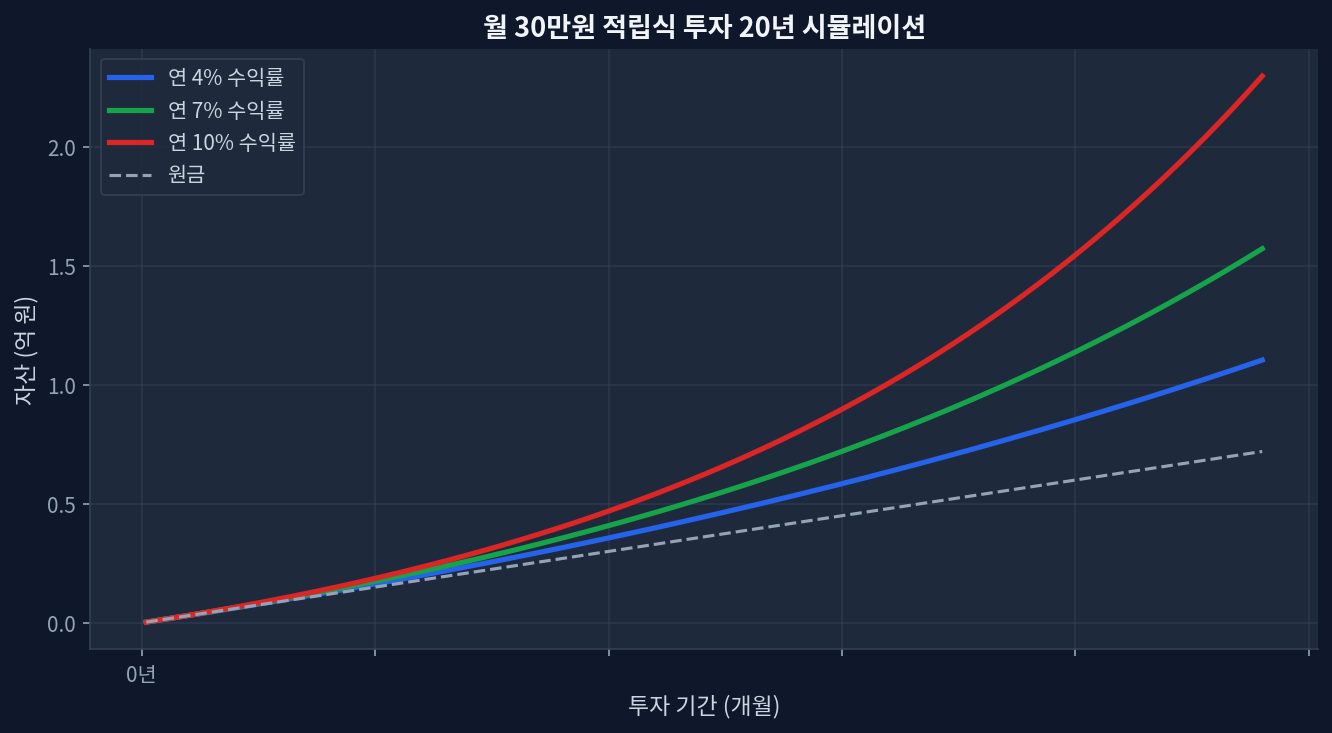
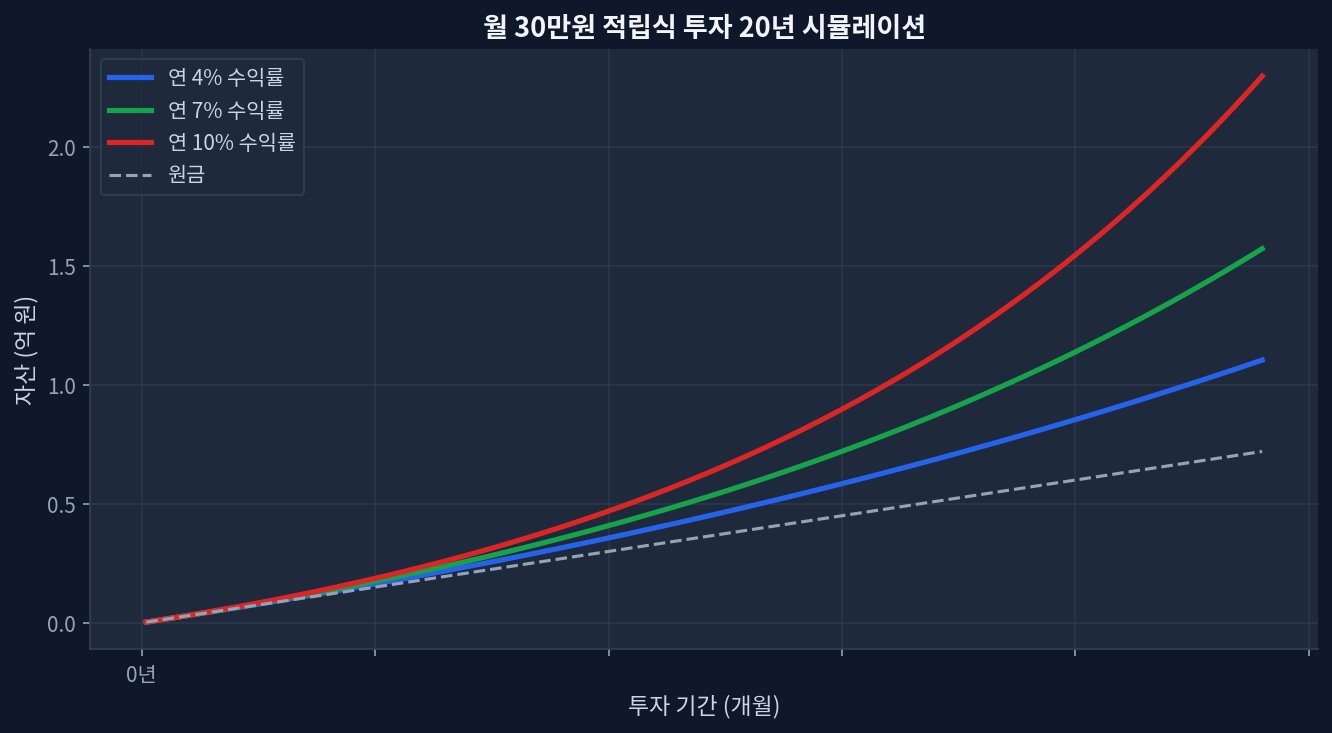
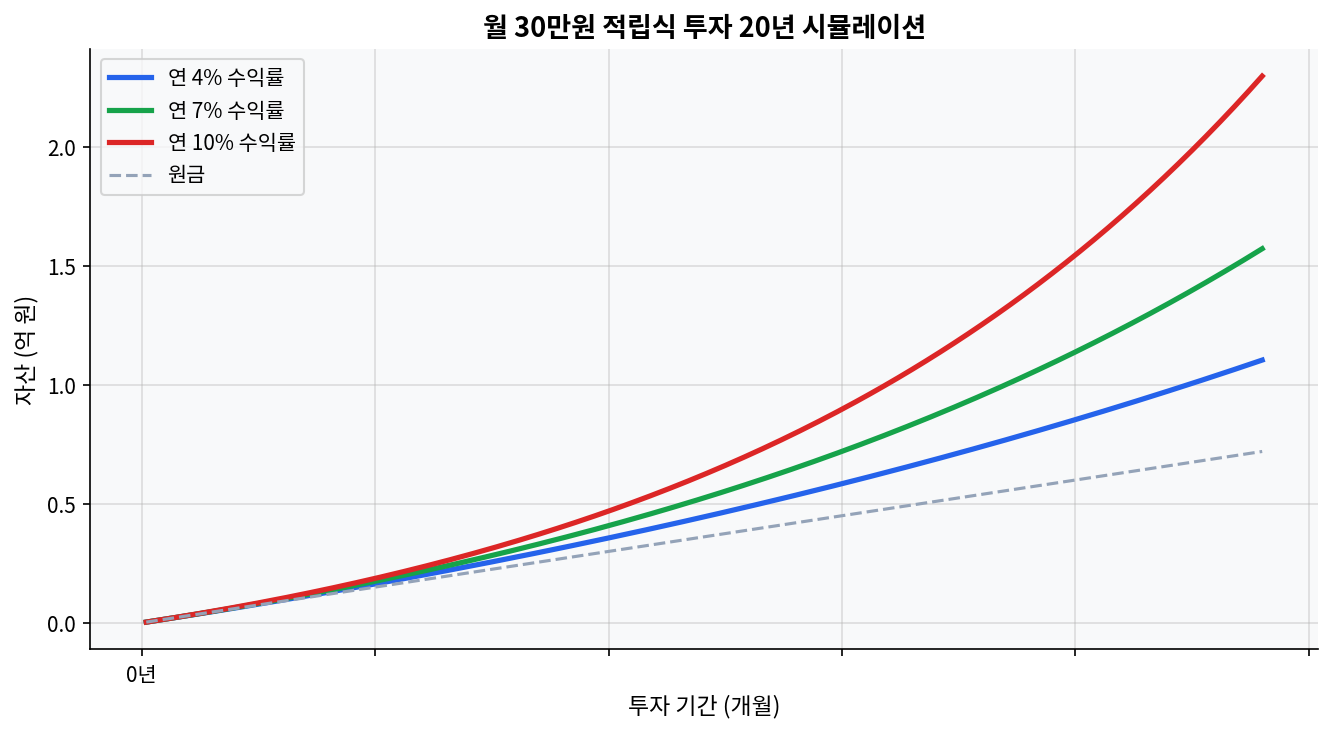
The statutory filing window for Korean comprehensive income tax runs from May 1 through May 31 of the following year, with weekends and public holidays rolling to the next business day. In 2026, May 31 falls on a Sunday, so filing and payment continue through June 1.Retirement account tax credits apply up to KRW 9 million, or about $6,500, at 15% for total compensation below KRW 55 million and 12% above that line. An IRP contribution of KRW 8.4 million, or about $6,100, can therefore generate a tax credit of KRW 1.26 million or KRW 1.008 million.When annual interest plus dividends exceed KRW 20 million, or about $14,500, the comprehensive taxation switch turns on. For US-listed ETFs such as VOO, SCHD, and DGRO, the account wrapper matters more than the ticker label.Failure-to-file penalties are 20%, underreporting penalties are 10%, and late-payment interest runs at 0.022% per day. Delay carries a measurable cost.Rolling ISA maturity proceeds into a retirement account can add 10% of the converted amount, up to KRW 3 million, or about $2,200, to retirement-account contribution creditable amounts. What the chart says first Monthly $30K investment 20-year compound growth simulation 20-year compound-growth simulation for a $220 monthly contribution The chart below shows how wide the gap becomes after 20 years when a $220 monthly contribution compounds at 4%, 7%, and 10%. In this range, compounding and contribution duration create larger numbers than tax optimization alone. Saving about $75 in tax may matter less than keeping the contribution schedule alive for one more year. ...

April 28, 2026