Traditional IRA vs 401(k) Tax Shield Data: Income Bracket Simulation a

Traditional IRA vs 401(k) Tax Shield Data: Income Bracket Simulation a

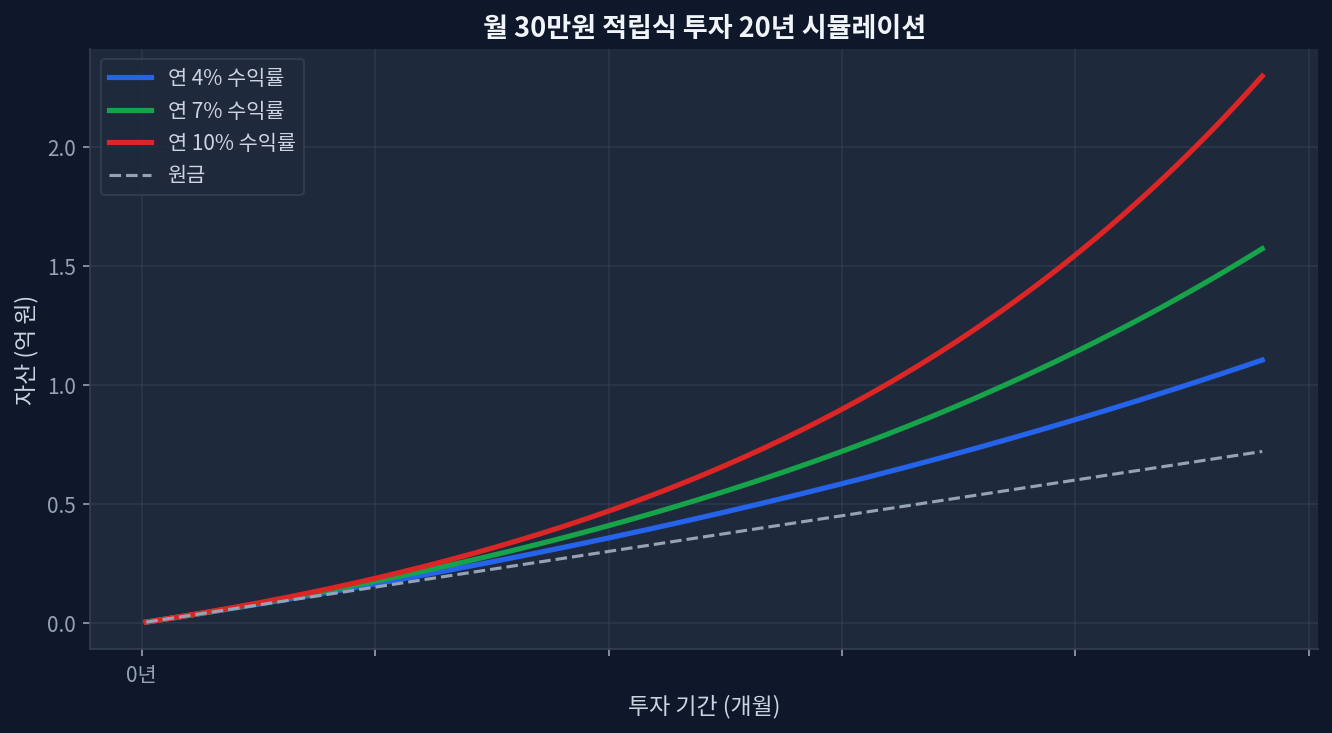
The individual retirement account (IRA) contribution limit stands at $7,000, which can generate up to $1,540 in immediate tax liability reduction for an investor in the 22% marginal tax bracket. Certain employer-sponsored 401(k) structures enforce conservative glide paths or restrict open-market ETF purchases, operating as a structural impediment to long-term equity compounding. Forfeiting the liquidity premium presents a severe risk factor. Liquidations prior to age 59.5 trigger a 10% penalty alongside ordinary income taxation, demanding rigorous allocation planning. Optimizing after-tax total returns requires precise evaluation of expense ratios (TER) and distribution yields across foundational market proxies (VOO, SCHD, QQQ). Tax-Advantaged Account Dynamics: 401(k) vs IRA Tax Shield Analysis Monthly $30K investment 20-year compound growth simulation Taxable Brokerage vs. 401(k) vs. IRA Tax Shield Comparison The mechanics of tax deferral operate as the primary acceleration engine in long-term asset accumulation. Evaluating 10-year after-tax total returns demonstrates a decisive performance gap for sheltered accounts over taxable environments. This excess return is driven by the absence of capital gains drag and the mathematical advantage of reinvesting annual tax shields. Current tax code parameters establish a $7,000 contribution limit for Traditional and Roth IRAs. Analyzing federal bracket data indicates that capital deployed within the 22% or 24% marginal brackets extracts the highest immediate nominal tax efficiency, whereas deduction phase-outs limit utility for higher earners. [IRS Contribution Guidelines] ...
May 25, 2026 · InvestIQs Research
Traditional IRA vs. 401(k): Data-Driven Analysis of Tax Deduction Risks and Optimal Contribution Allocation

Traditional IRA vs. 401(k): Data-Driven Analysis of Tax Deduction Risks and Optimal Contribution Allocation

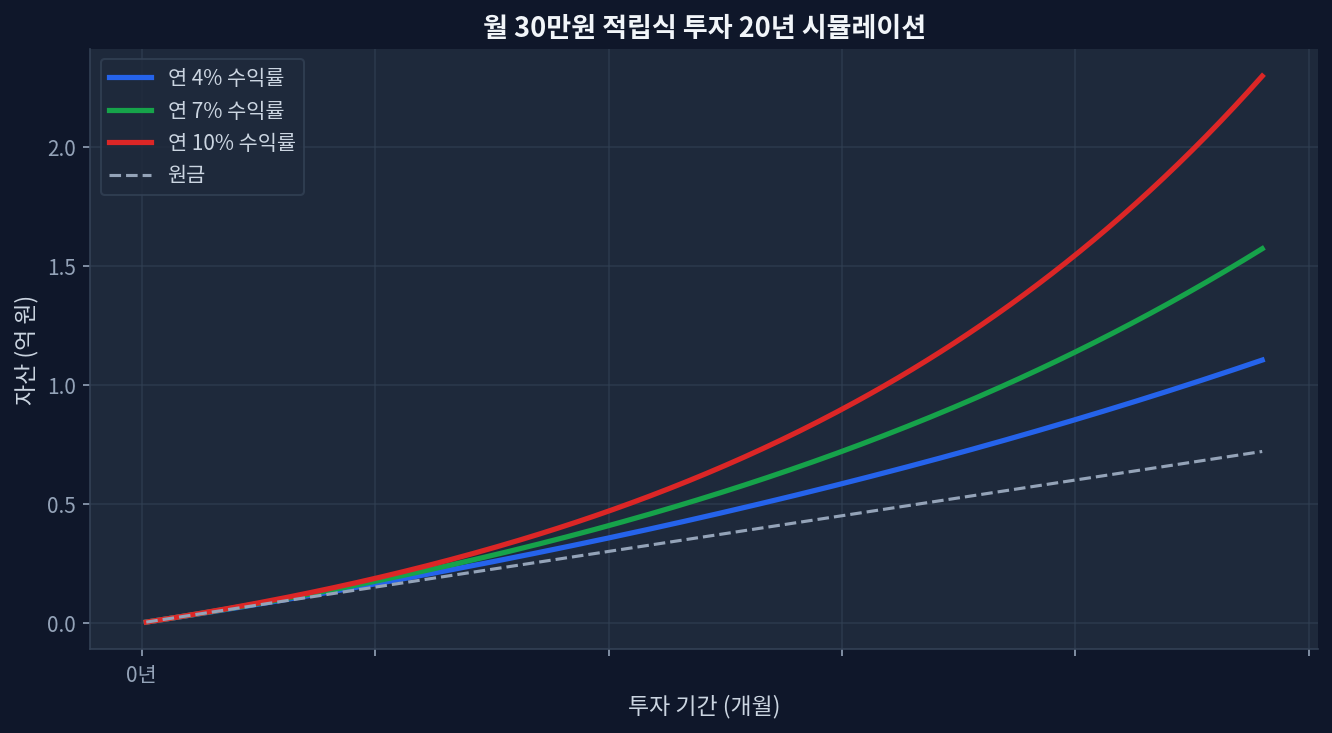
Traditional IRA and 401(k): Analyzing the Structural Risks Behind Tax Limits Monthly $30K investment 20-year compound growth simulation Tax Efficiency Comparison Across Retirement Accounts 2026 Contribution Limits: Traditional IRA $7,000, Employer 401(k) $23,000. Immediate tax deductions act as guaranteed capital generation but necessitate severe long-term liquidity freezes. 401(k) constrained menus or forced fixed-income allocations act as a drag in bull markets but function as portfolio hedges during deep drawdowns. An IRA's 100% equity exposure strategy compounded at 14.2% annualized from 2020-2026, but suffered a 31.4% maximum drawdown (MDD) characterized by extreme volatility. The market often treats Traditional IRAs and 401(k)s solely as tax-minimization instruments. The immediate deduction from top marginal tax brackets provides a mathematically powerful incentive for retail investors. However, this tax efficiency masks structural risks regarding severe illiquidity and asset allocation constraints. This report dissects the empirical long-term performance of these accounts, analyzing volatility risks hidden behind tax incentives. Investors must evaluate structural parameters and capital freeze durations before maximizing contributions to survive prolonged market cycles. ...

May 23, 2026 · InvestIQs Research
2024 401(k) Contribution Limits: Tax Bracket Impact Simulation & Volatility Risks

2024 401(k) Contribution Limits: Tax Bracket Impact Simulation & Volatility Risks

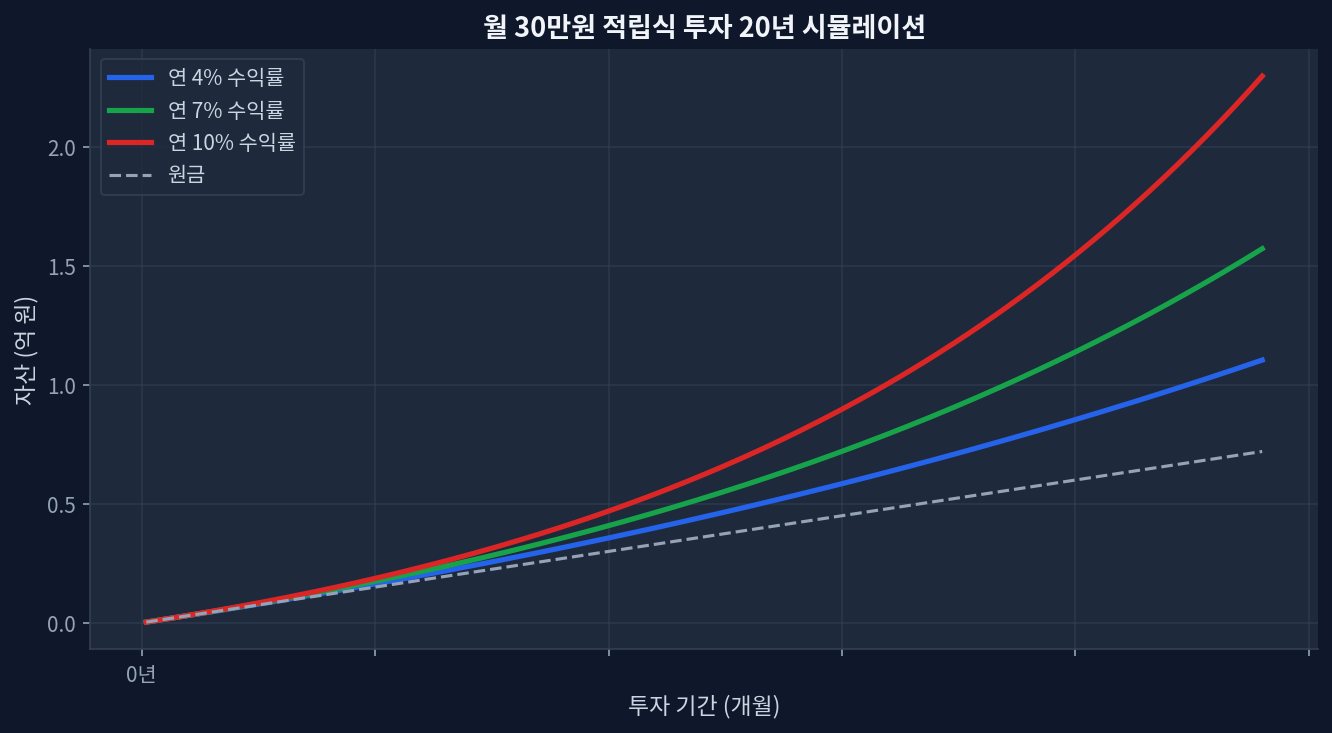
The 2024 401(k) contribution limit rose to $23,000, altering marginal tax exposure for the 24% and 32% brackets.Pre-tax contributions act as a volatility hedge against current high tax rates, deferring liability to a historically uncertain future bracket.Data indicates the 2020-2026 CAGR stood at 12.3% for major US indices, accelerating the tax cliff risk at RMD age.This diverges from the market narrative on maximizing pre-tax accounts blindly without considering post-2025 legislative tax hikes. Mapping the 2024 Limits Against Tax Volatility Monthly $30K investment 20-year compound growth simulation The 2024 IRS adjustments pushed the standard 401(k) contribution limit to $23,000. Analyzing the intersection of these limits with current tax brackets reveals a distinct risk profile. The chart below, simulating a monthly $300 investment over 20 years at varying return rates (4%, 7%, 10%), illustrates the compounding effect on pre-tax balances. ...

May 19, 2026 · InvestIQs Research