Dividend Retirement Blueprint: REITs & SCHD Allocation for Monthly Cash Flow
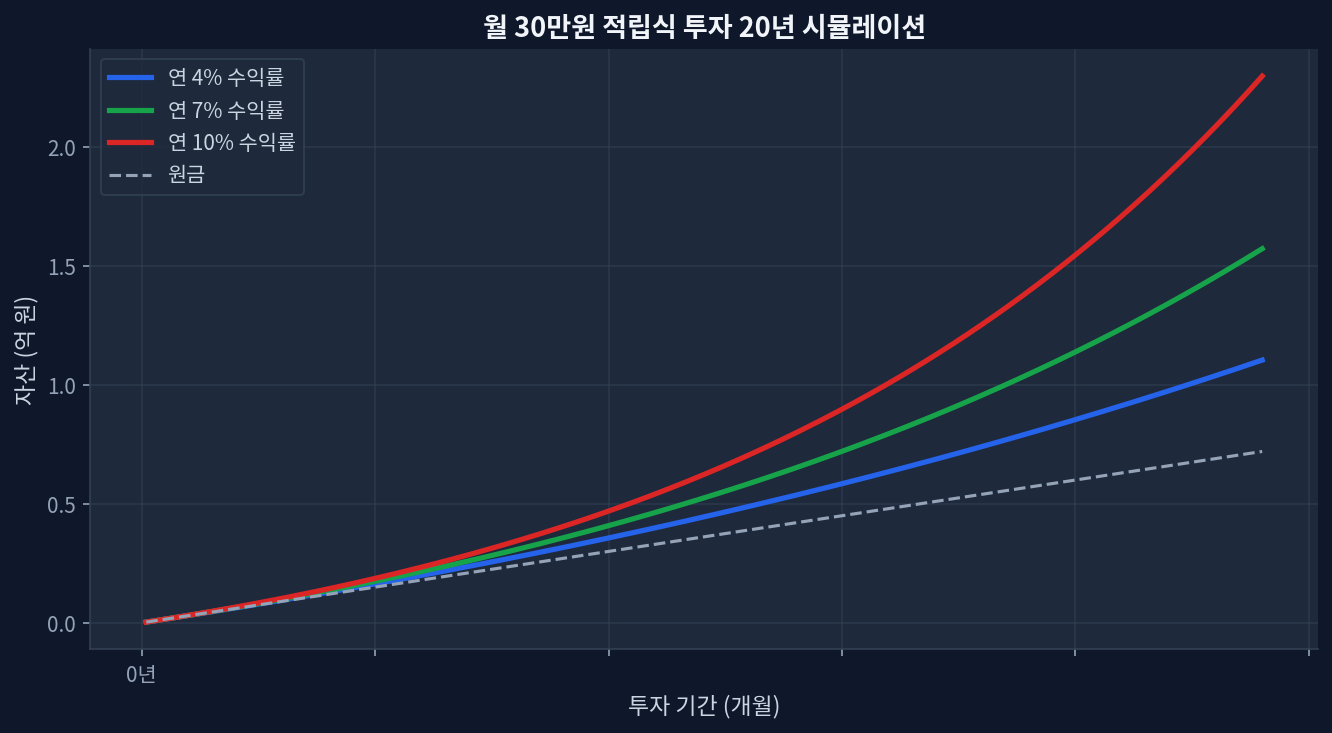
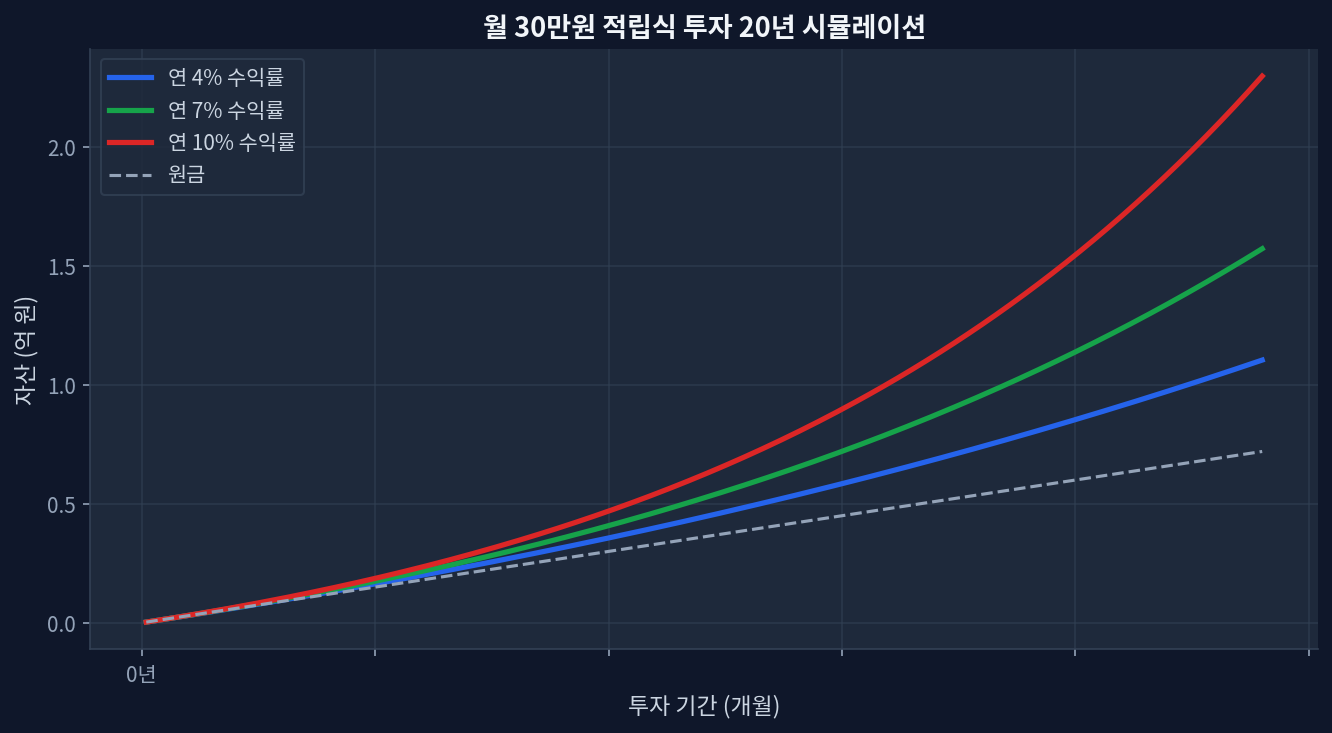
SCHD (dividend-focused ETF): 3.25% yield, +26.5% 1Y return, $31.96 current price as of late June 2026VIG (dividend growth): 1.47% yield but +71.5% 5-year total return; P/E 26.2 signals premium valuation50:50 split targets $3K USD monthly cash flow, though actual withdrawal depends on market timing and sequence-of-returns riskREIT inclusion adds inflation hedge and non-correlated income, but sector drawdowns (2022) exceeded equity losses by 30%+ in some casesReality check: 3.25% SCHD yield alone generates only ~$975/month on a $360K base; reaching $3K/month requires either $920K portfolio or supplemental bond allocation Why 50:50 Between SCHD and REITs? Portfolio Fragmentation vs. Concentration Monthly $30K investment 20-year compound growth simulation The conventional retirement wisdom—“hold diversified dividend stocks”—glosses over a critical tension. A pure dividend-growth approach (like VIG’s 26.2 P/E) chases price appreciation alongside income, creating drag during yield-focused market downturns. REITs and high-yield equity funds (SCHD) trade at lower valuations because they distribute most taxable income rather than reinvesting, but that efficiency comes with sector risk concentration. ...