• TLT current yield: 4.55% with $42.9B in AUM; down 27.7% over 5 years but up 2.9% in the past year
  • A 6:4 TLT-to-REIT allocation targets ~5.5% blended yield while reducing duration risk through equity diversification
  • TLT's 52-week range ($82.77–$92.19) suggests room for tactical entry at lower valuations
  • REIT liquidity and leverage complicate the comparison; higher nominal yields often hide higher volatility
  • Interest-rate risk remains the dominant constraint: further rate hikes would pressure TLT NAV and REIT cap rates simultaneously

Why a 6:4 Bond-to-REIT Split Works (and Why It Doesn’t)

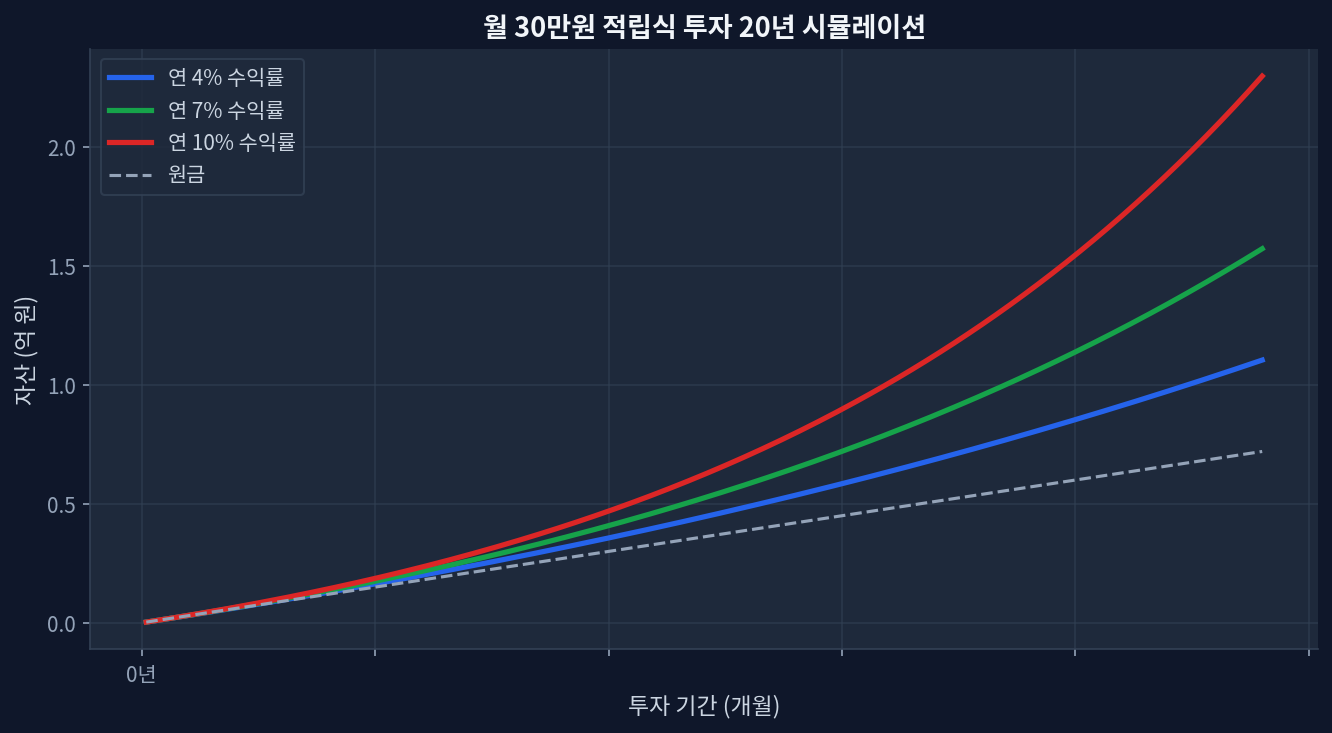
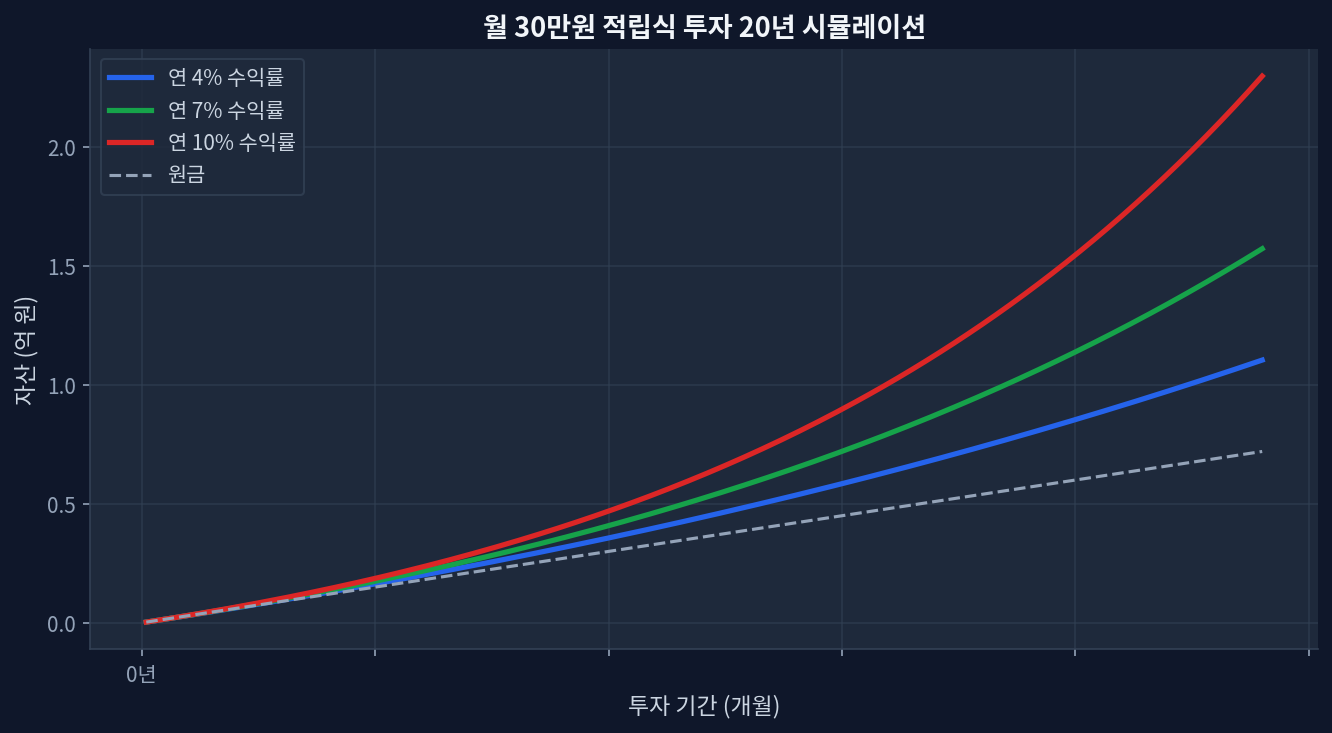
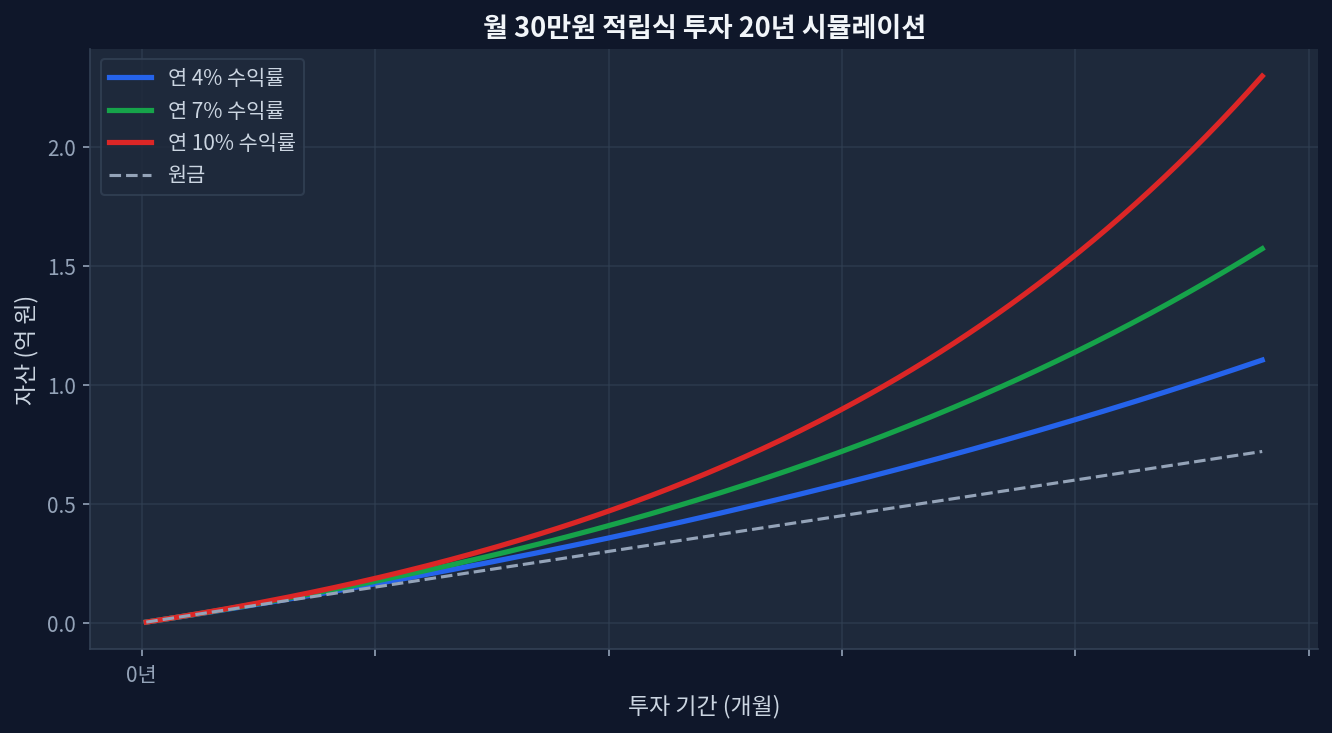
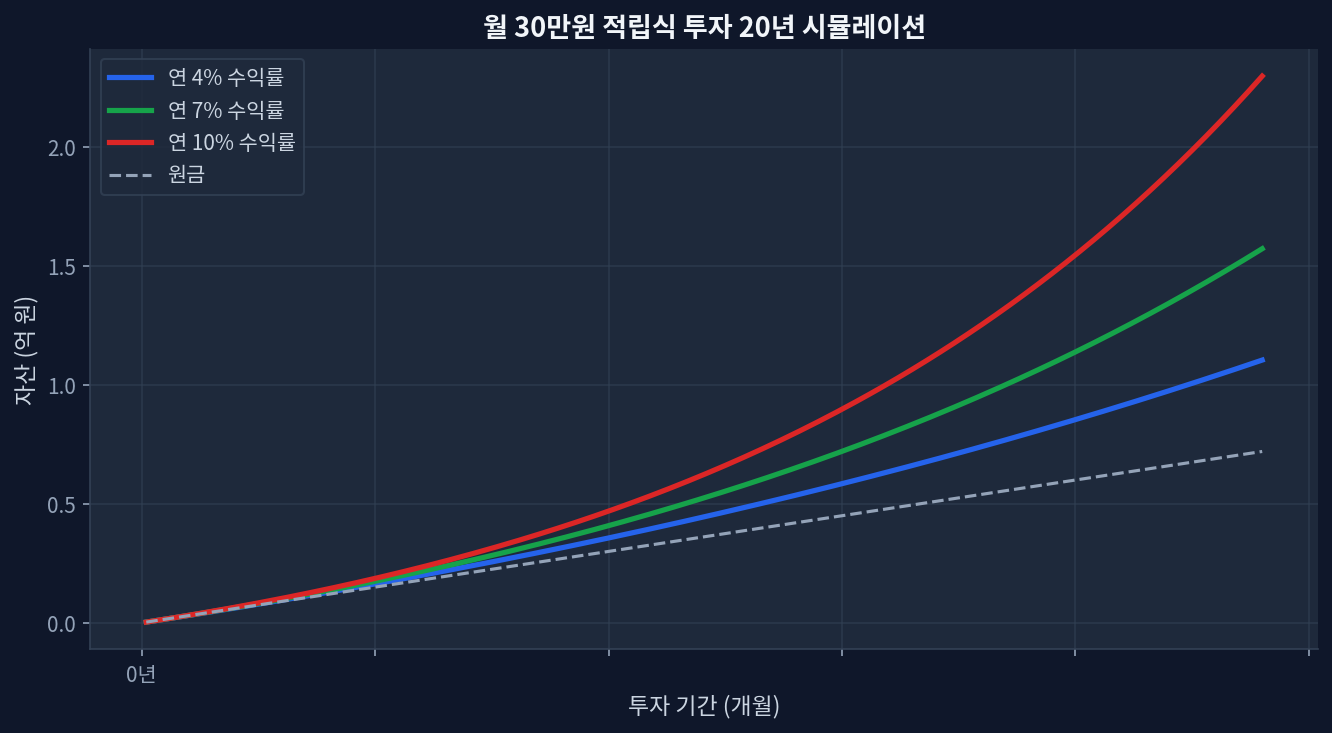
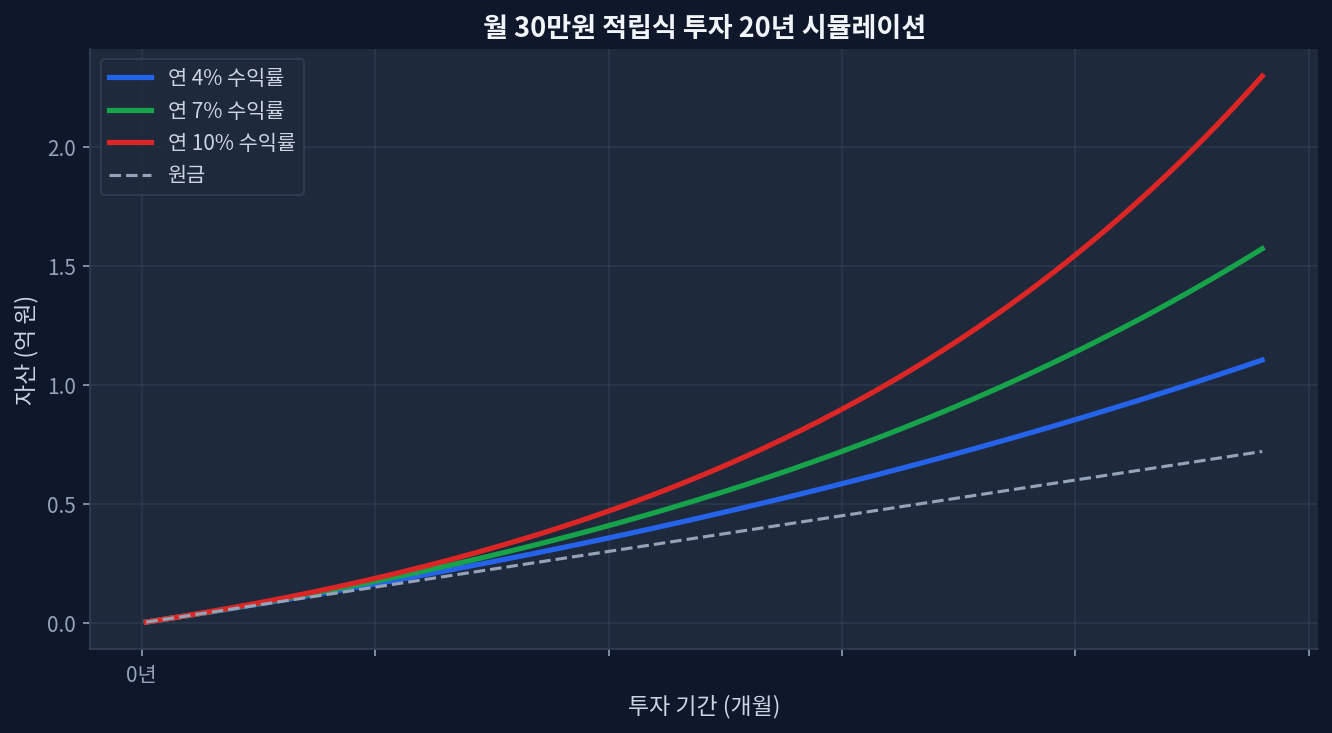
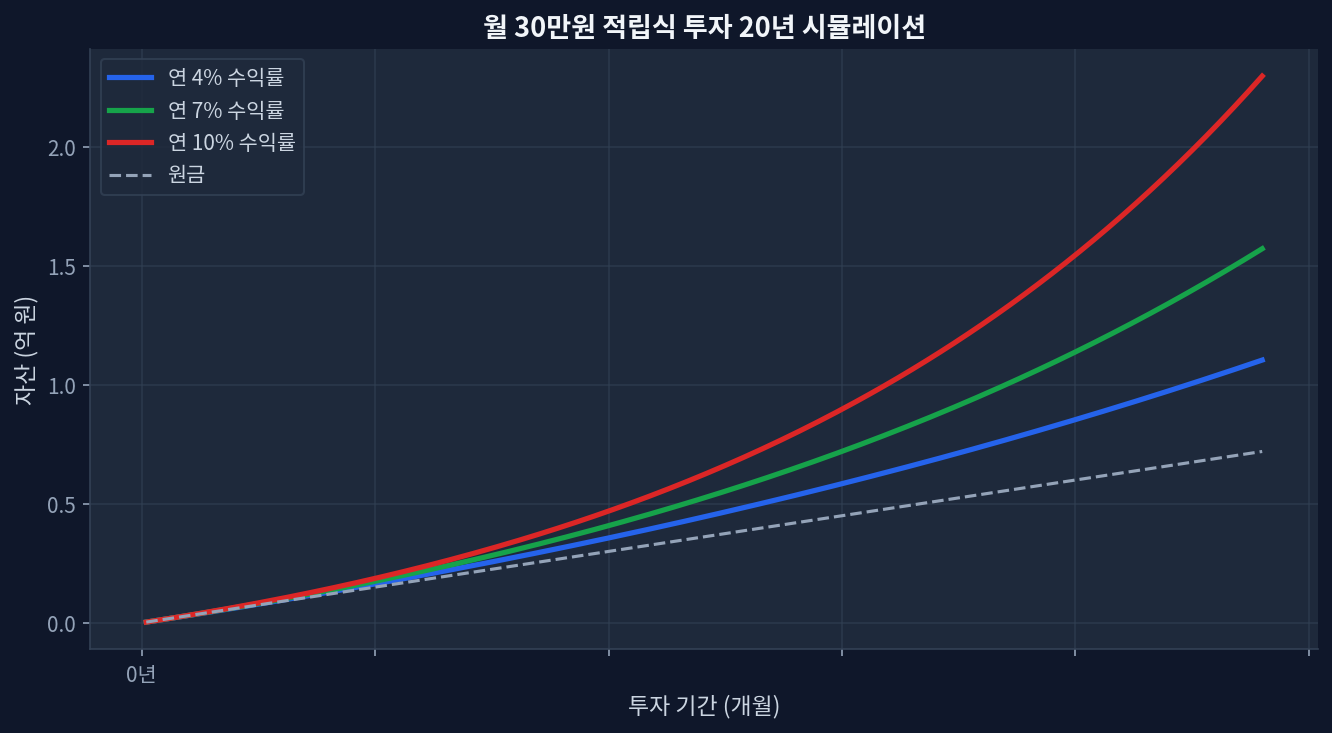
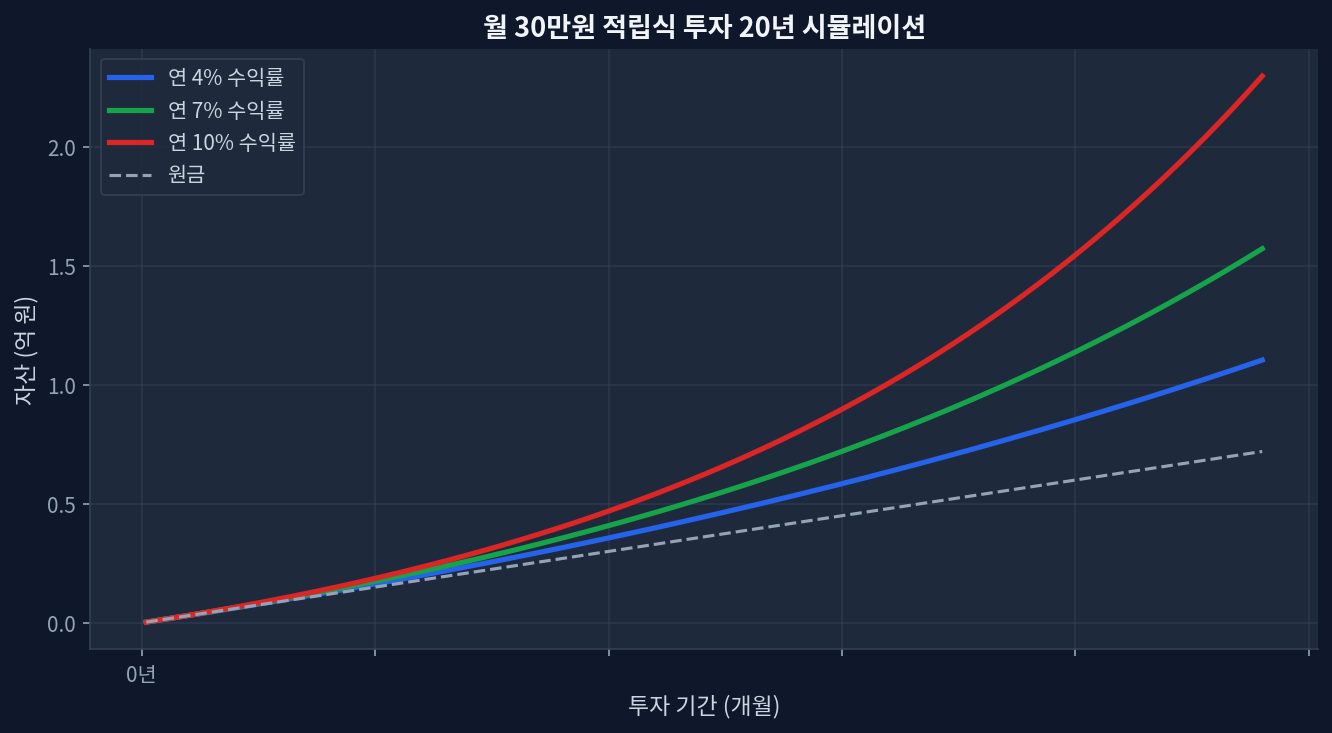
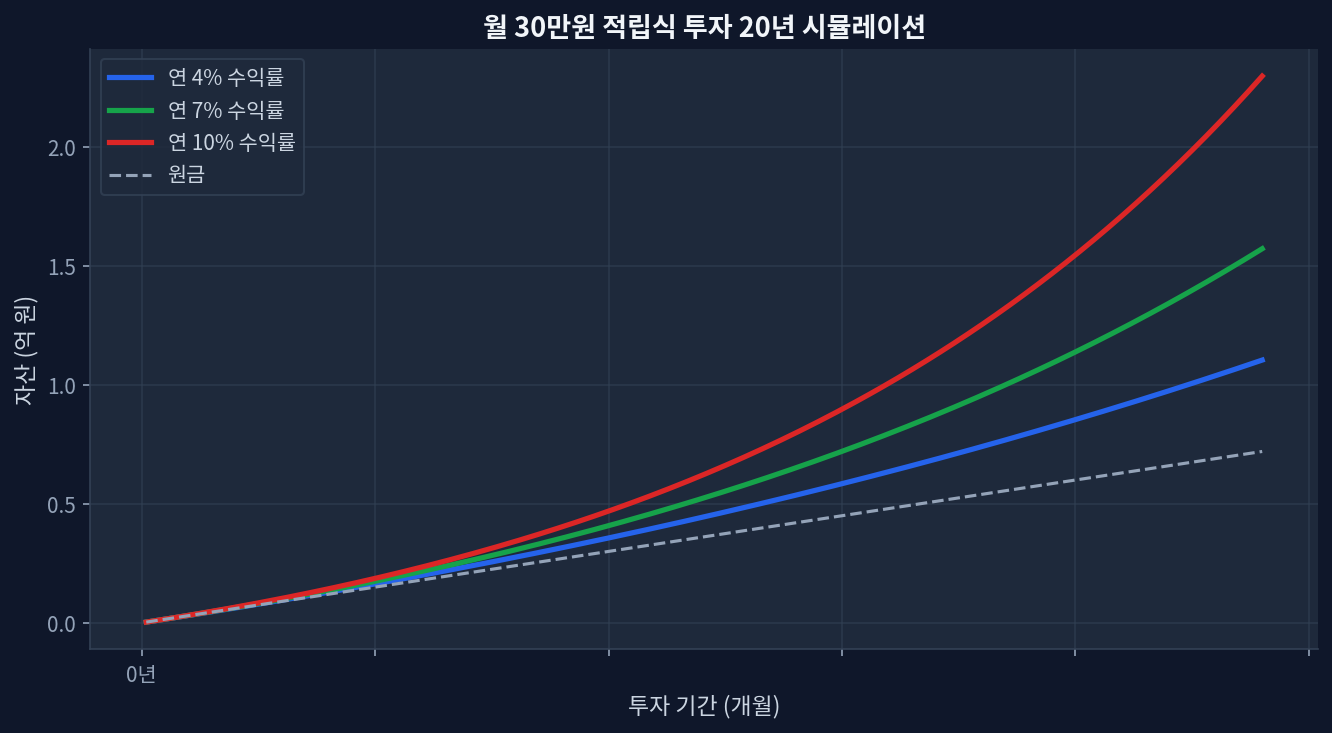
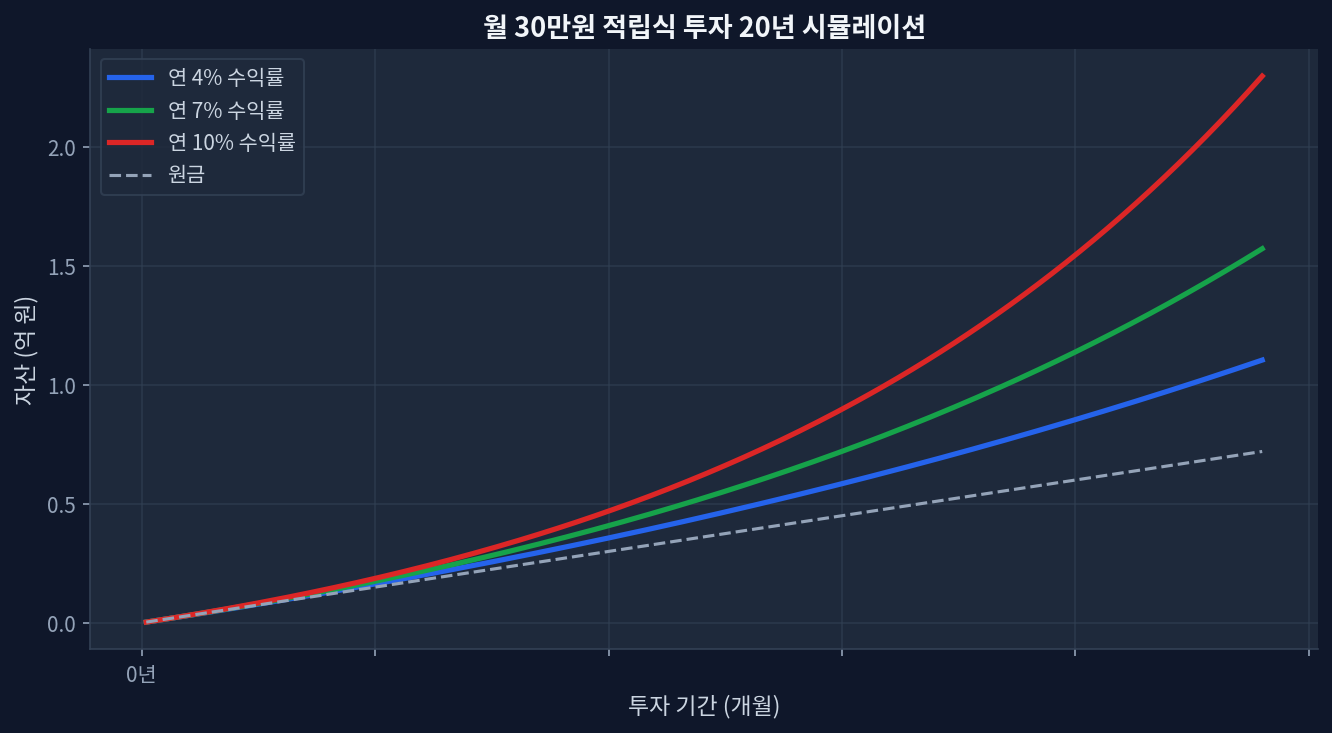
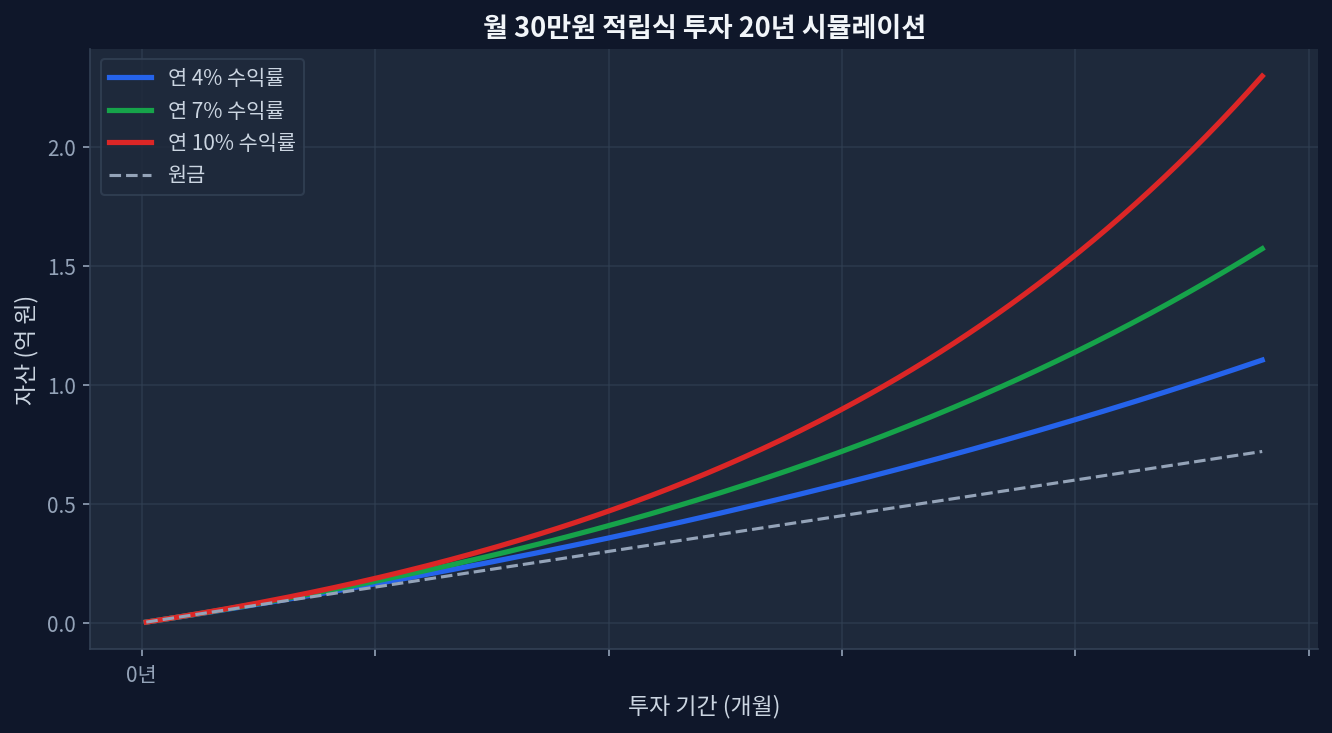
Monthly $30K investment 20-year compound growth simulation

The Treasury bond market has been brutal for nearly a decade. The Invesco QQQ Trust (QQQ) outpaced the iShares 20+ Year Treasury ETF (TLT) by over 50 percentage points between 2015 and 2023. Yet in 2024–2026, as rate-cut expectations wavered and macro uncertainty persisted, bond allocations have found surprising utility in portfolios that needed predictable cash flow without equity volatility.

A 6:4 TLT-to-REIT structure sits at an odd angle to conventional wisdom. It isn’t a traditional balanced portfolio (which might be 60:40 stocks-to-bonds). Instead, it targets high current yield—roughly 5.5% blended on a simple average—while attempting to hedge against the two biggest tail risks: inflation and duration collapse.

Here’s the tension: TLT is a pure interest-rate bet, while REITs are leveraged bets on property cash flows and refinancing costs. When rates rise, both typically fall in tandem, so diversification benefits erode precisely when diversification would help most.

TLT’s Real Position in 2026

As of mid-2026, TLT trades at $85.77, yielding 4.55% with an expense ratio typically near 4 basis points. The 5-year cumulative return sits at -27.7%—a visceral reminder that bond prices move inversely to rates. Between 2015 and 2025, yields on the 20-year Treasury rallied from 2.5% to 4.5%; TLT holders captured that entire price decline on the way up.

What often gets overlooked: the 1-year return of +2.9% suggests the worst may be behind if rates stabilize around current levels. At 31.8% of its 52-week range (with a low of $82.77), TLT is closer to its lows than highs, meaning fresh capital deployed today captures a higher current yield than purchases made 12 months ago when the fund was near $92.

The $42.9B in AUM reflects institutional and retail flight-to-safety during equity drawdowns. Trading volume averages 28+ million shares daily, making TLT one of the most liquid Treasury ETFs available.

REITs: Higher Yield, Higher Complexity

Real Estate Investment Trusts nominally yield 6–8% on average, outpacing TLT on current income. But that headline number obscures leverage, refinancing risk, and cap-rate compression that isn’t priced into dividend history. A REIT trading on a 4.5% cap rate but yielding 7% likely relies on debt service savings or property appreciation to cover the gap; if those assumptions reverse, dividend cuts follow quickly.

REITs are also far less liquid than Treasury ETFs and exhibit meaningful tracking error relative to the broader real estate market. An investor building a REIT sleeve should compare alternatives like the Vanguard Real Estate ETF (VNQ) or iShares Global REIT ETF (REET) on expense ratio, geographic exposure, and sector weighting.

The Allocation Case for 6:4

A 6:4 TLT-to-REIT split delivers roughly 5.5% blended yield on a simple average. Over a 20-year horizon, that translates to meaningful income reinvestment—enough to compound without relying on capital appreciation. Here’s where the math gets interesting:

ComponentCurrent Yield5Y Total ReturnDuration/LeverageLiquidity
TLT (60% allocation)4.55%-27.7%High (inverse to rates)Excellent
REITs (40% allocation)~7.0% (est.)Varies; typically 2–5% annuallyModerate (leverage, refinancing)Good
Blended Portfolio5.55% (simple avg.)Neg. to 0% (diversification drag)Mixed; reduced equity correlationHigh

The attraction isn’t performance—it’s stability. TLT and equities correlate negatively during equity crashes; REITs sit somewhere in between. A 6:4 split gives you bond-like income without zero-yielding cash. If equity markets correct 20%, that 5.55% REIT dividend cushions the hit.

Where the Analysis Breaks Down

The biggest risk is synchronized duration shock. If the Federal Reserve unexpectedly pivots to tightening in 2027 (defying current market pricing), TLT could fall 10–15% in NAV while REIT refinancing costs spike simultaneously. In that scenario, the 6:4 split offers no diversification benefit—both legs sell off together.

Second, the 7% REIT yield is not guaranteed. Many REIT funds have already cut distributions since 2023 as cap rates fell and leverage grew. Extrapolating historical REIT yields into a new rate regime risks overestimating income stability.

Frequently Asked Questions

Should I use TLT or a shorter-duration Treasury ETF like IEF (7-10 year)?

TLT targets 20+ year maturities, so it carries significantly higher duration risk (price sensitivity to rate changes). For a 6:4 income portfolio, the longer duration actually works in your favor if you expect rates to stabilize or fall—TLT’s capital appreciation potential is higher. IEF is more conservative and appropriate if you’re uncomfortable with -20% NAV swings. The choice depends on your rate view, not current yield alone [Morningstar ETF Research].

What’s the tax efficiency of holding TLT in a taxable account?

TLT distributions are ordinary income, not qualified dividends, so they’re taxed as ordinary income in taxable accounts. REIT distributions are also ordinary income. For after-tax returns, this 6:4 split is most efficient in Roth IRAs or traditional 401(k)s. In a taxable account, consider tax-loss harvesting during TLT drawdowns to offset REIT gains.

How often should I rebalance between TLT and REITs?

A 6:4 target drifts naturally as market values change. Rebalancing annually or when the ratio drifts beyond 55:45 or 65:35 is reasonable. Rebalancing too frequently incurs transaction costs and triggers short-term capital gains; too infrequently defeats the diversification intent.

Can I use a REIT ETF like VNQ instead of individual REITs?

Yes, and most retail investors should. VNQ (Vanguard REIT) has far lower expense ratios (12 basis points vs. 40+ for many active REIT funds) and smoother dividend history. For a 6:4 portfolio, the structure is identical: 60% TLT + 40% VNQ works just as well and is simpler to execute.

What happens if interest rates fall sharply?

TLT appreciates significantly; REITs typically follow stocks higher. Both assets rally, so your portfolio benefits from the equity upside and bond capital appreciation simultaneously. This is the “bull case” for 6:4. The downside risk (rates rise) receives less media attention but is equally plausible.

The Contrarian Read

Market consensus treats TLT as “dead money” after a 27.7% five-year decline. Yet that same narrative ignores the 4.55% yield now locked in. A $100k allocation to TLT returning -1% in NAV but +4.55% in yield is actually ahead of a 0% return Treasury Money Market Fund over a 4-year horizon, especially if reinvested. The mathematics of yield-plus-modest-NAV-recovery are less sexy than a rallying Magnificent Seven stock, but they compound predictably.

The 6:4 split also implicitly bets against the “stocks forever” narrative gaining traction among younger investors. It assumes that a 5.5% yield, taken seriously, is worth more than zero-yield equity growth in a late-cycle market. Whether that assumption survives the next 5 years is the real test [Federal Reserve Economic Data].

Bottom Line

A TLT-heavy portfolio (6:4 to REITs) is defensible for investors who can tolerate duration risk and want to capture current income without equity volatility. At TLT’s current 4.55% yield and $85.77 price, entry is neither aggressive nor timid—it’s neutral relative to historical averages. REITs at 7% yields are riskier; dividend sustainability matters more than headline numbers.

The allocation shines when rates stabilize. It struggles if rates rise further or if REIT dividends contract due to refinancing pressure. Testing both scenarios against your personal rate assumptions and return requirements is essential before deploying capital [iShares TLT SEC Filings].

This content is shared for informational purposes based on personal experience and public data. It is not investment advice or a recommendation to buy or sell any security. All decisions and risks are your own.

📊 Verify this data yourself

import yfinance as yf
t = yf.Ticker("TLT")
t.history(period="5y")["Close"].pct_change().add(1).cumprod()