• SCHD yield: 3.25% vs VIG 1.47% — 78bp spread reflects dividend-focused mandate vs growth tilt
  • VIG outperformed on 3Y total return: +55.7% vs SCHD +47.6% (800bp gap), but tax burden differs sharply in taxable accounts
  • SCHD P/E 18.8 vs VIG 26.2 — SCHD trades at 28% discount; suggests lower valuation risk but higher dividend cut exposure in recession
  • Tax location matters most: Roth IRA locks in tax-free compounding; traditional 401(k) defers gains; taxable brokerage faces annual 1099-DIV liability on qualified dividends
  • 52-week positioning: SCHD at 84.3% of range (near highs), VIG at 92.7% — timing risk elevated for lump-sum purchases

The Tax-Efficiency Angle: Why Yield Location Determines Real Returns

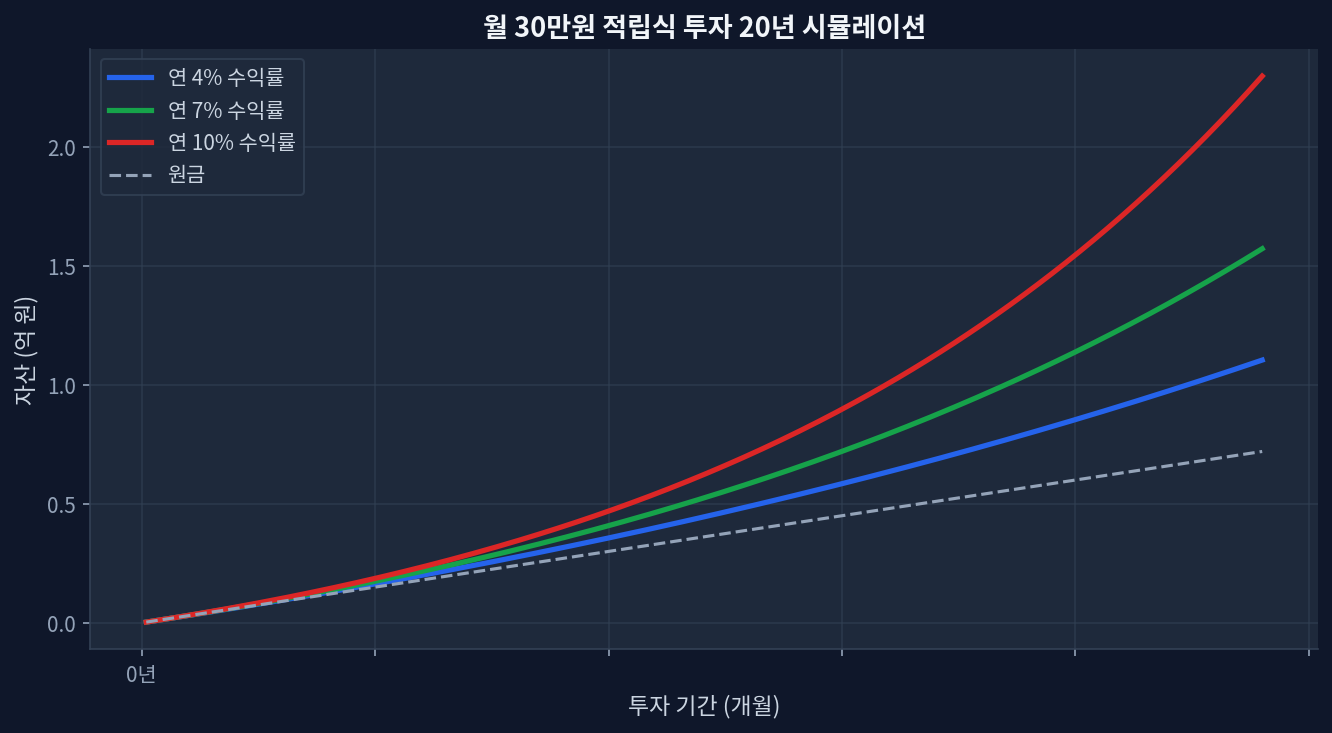
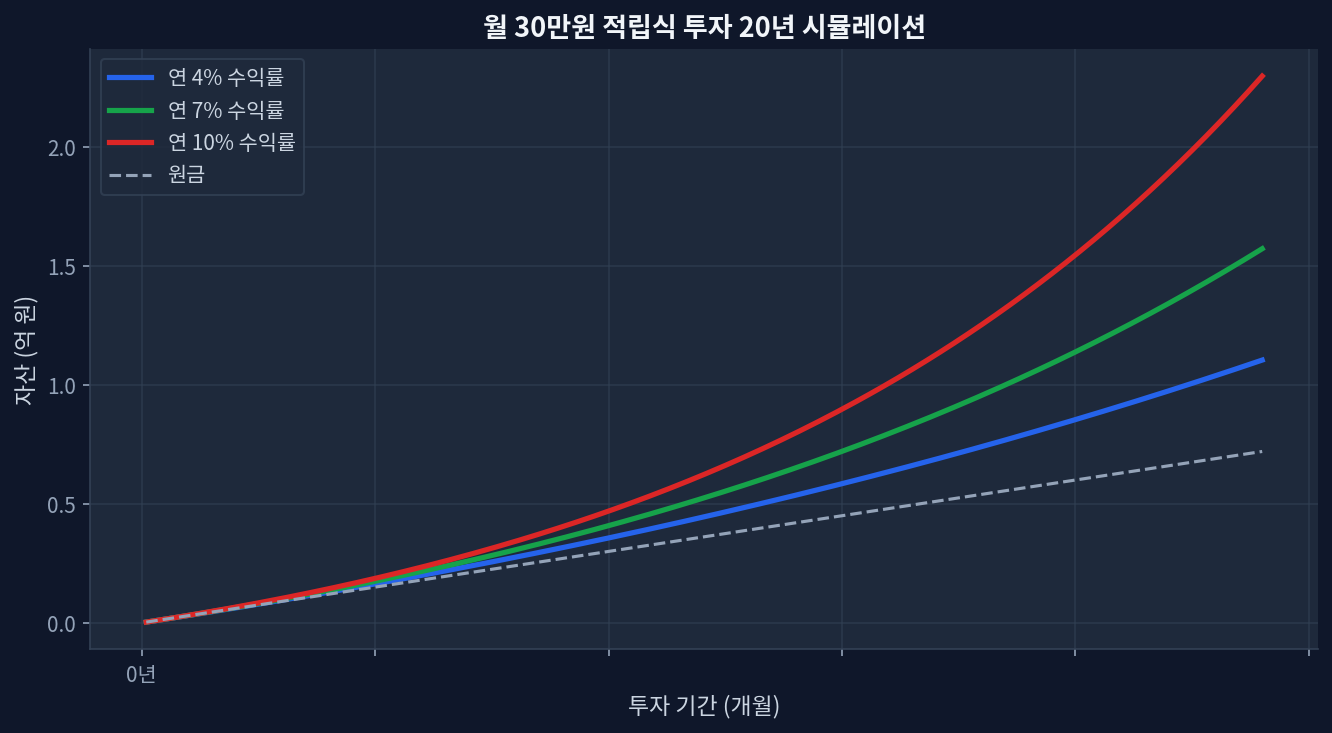
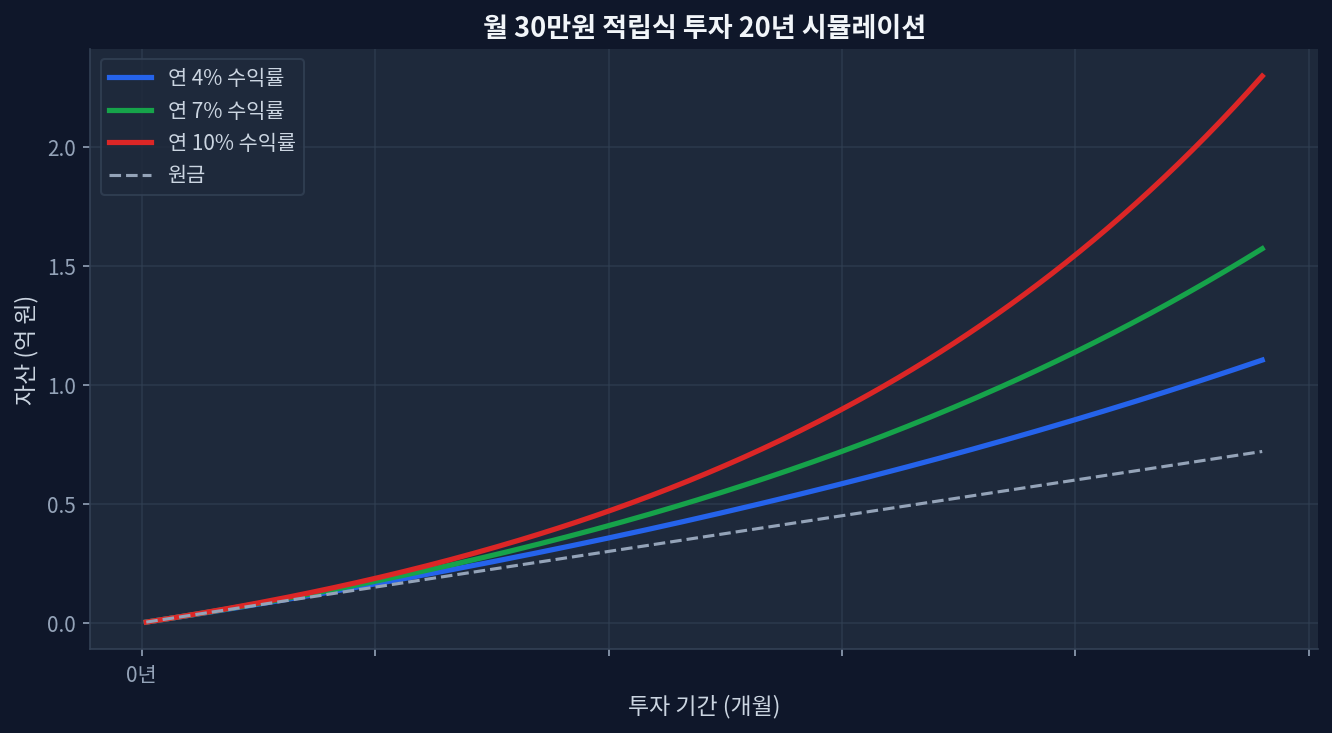
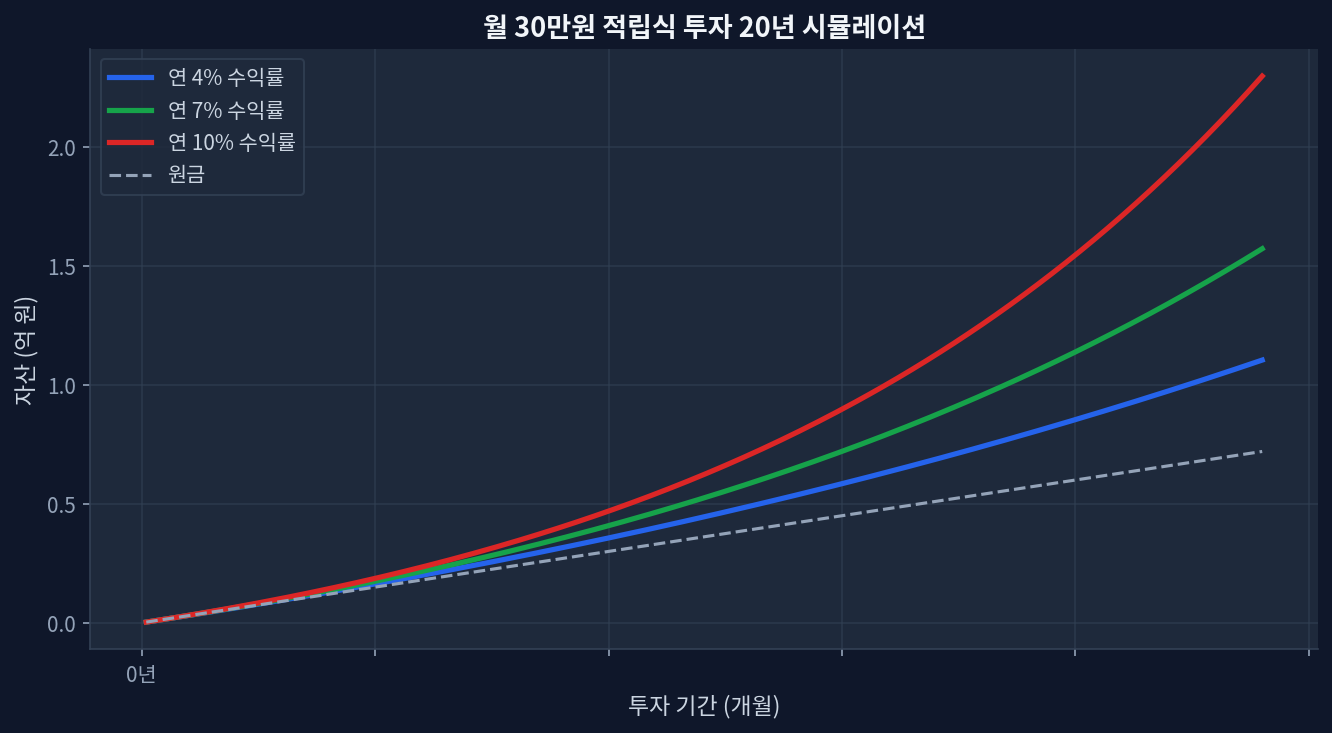
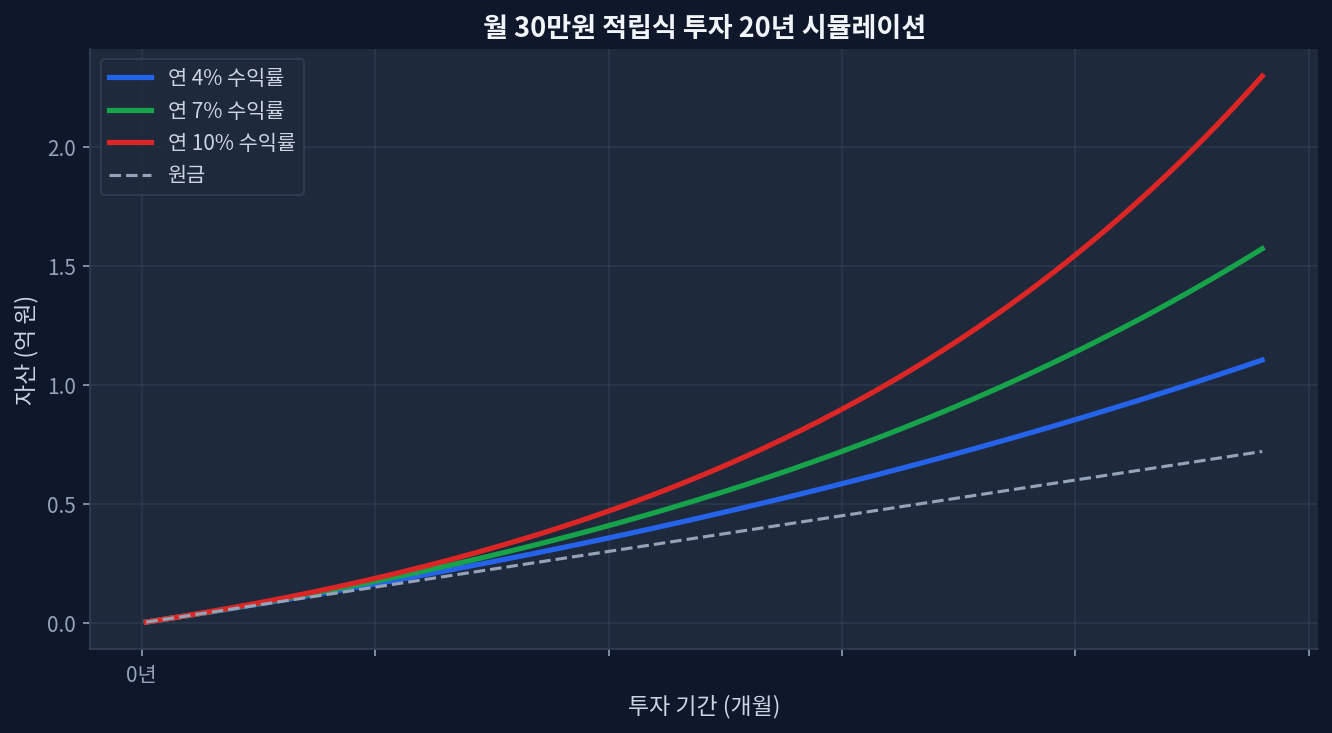
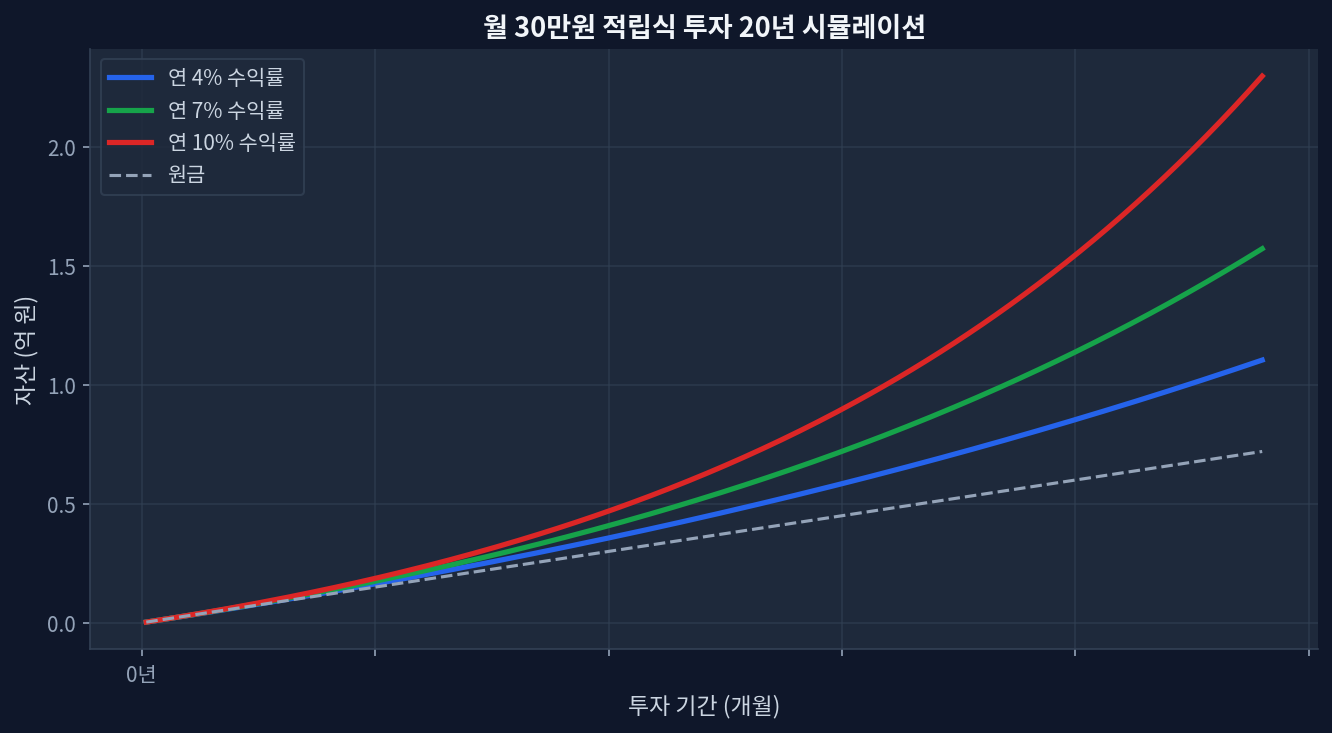
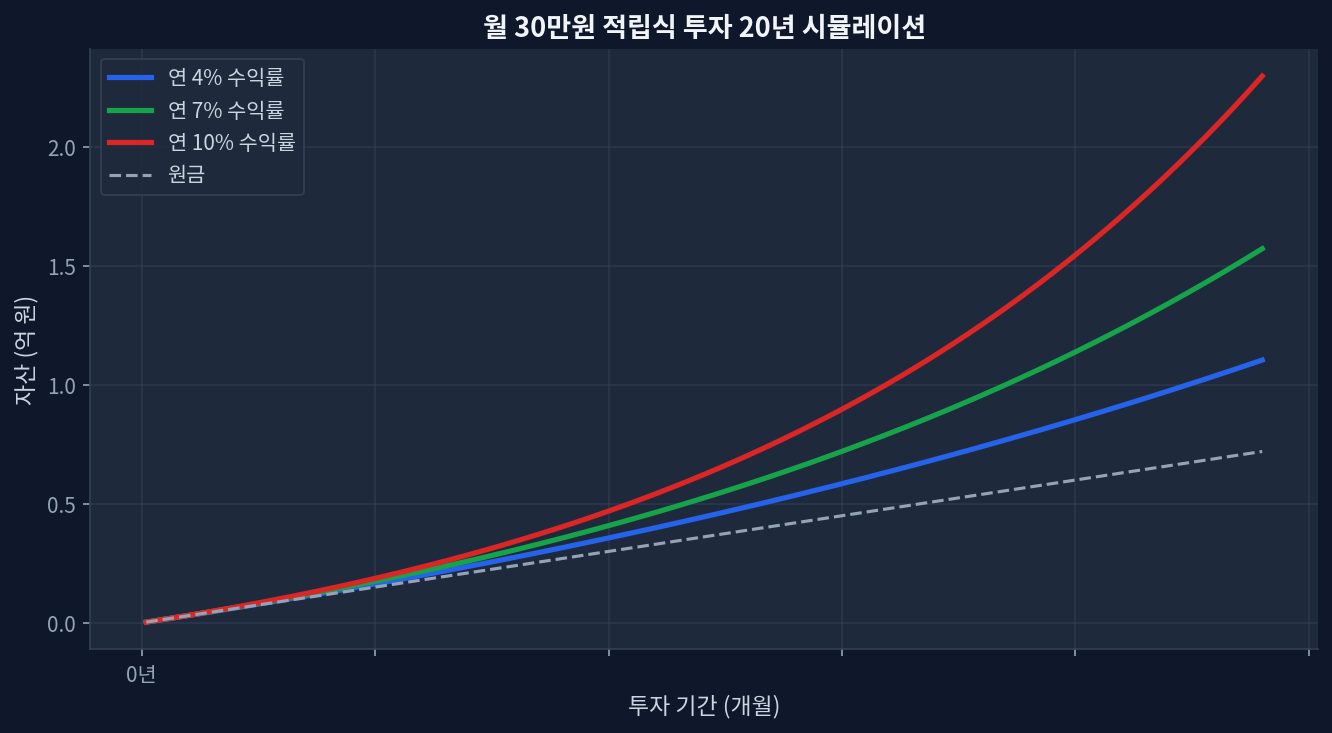
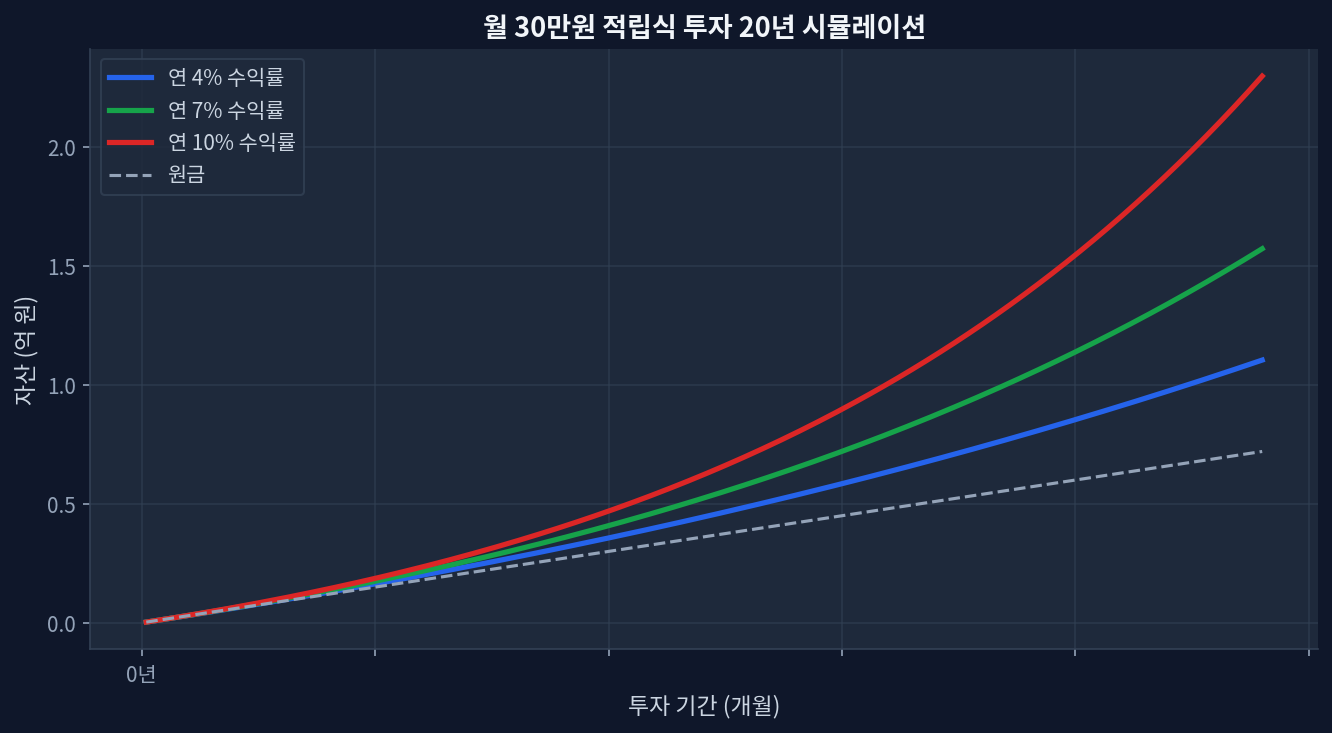
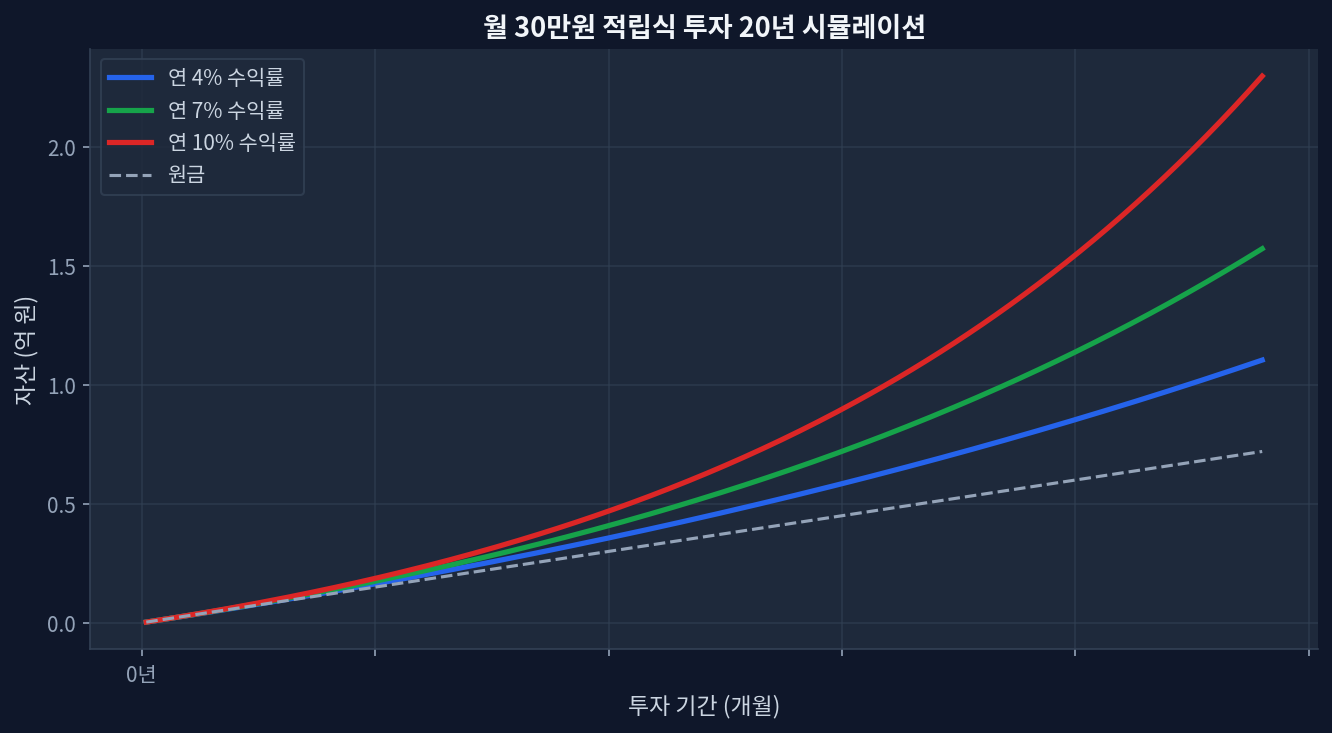
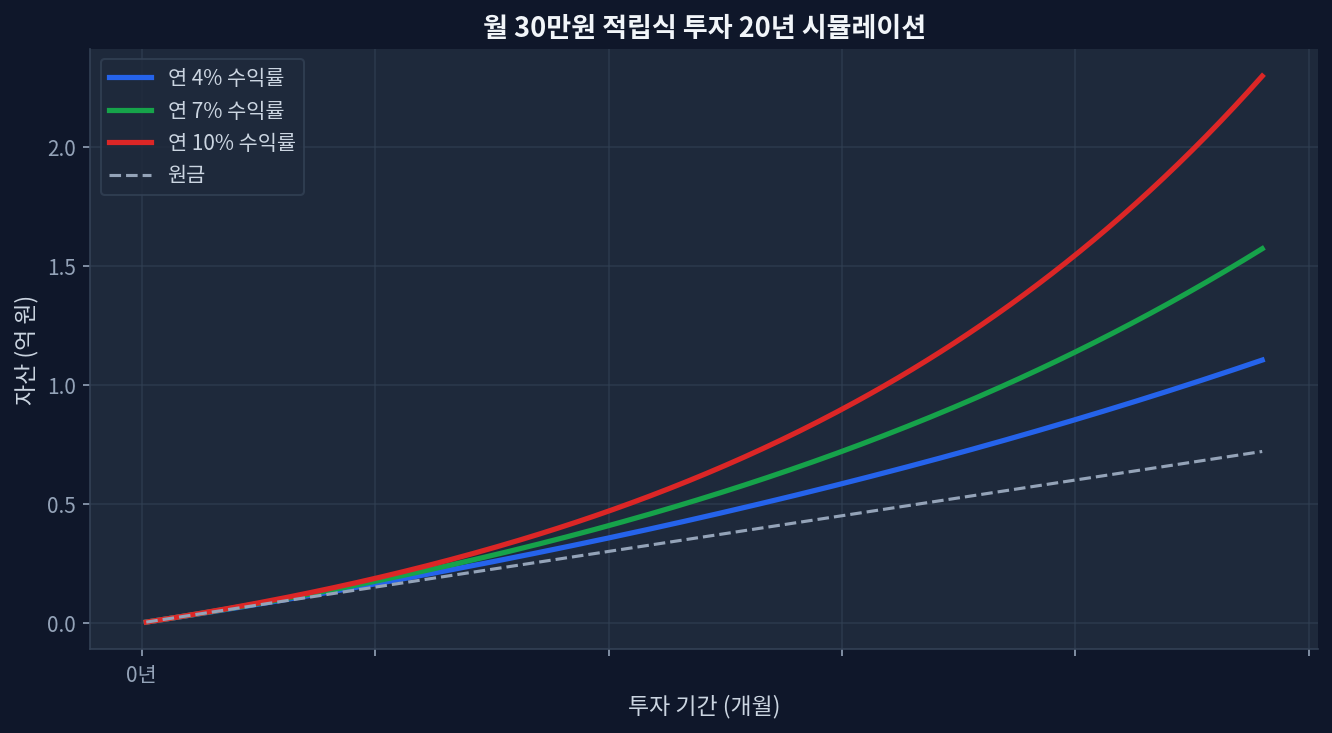
Monthly $30K investment 20-year compound growth simulation

Most dividend ETF comparisons focus on gross yield and total return. They miss the tax dimension entirely. A 3.25% yield in a taxable brokerage account becomes 2.35% after federal qualified dividend tax (assuming 28% top rate), but that same yield in a Roth IRA stays 3.25% forever, compounding untaxed. SCHD’s higher dividend distribution creates this tax burden front-and-center, while VIG’s lower yield (1.47%) means lighter annual 1099-DIV reporting but higher embedded capital gains.

This divergence widened sharply after the 2024 tax season. Investors holding SCHD in taxable accounts realized larger unrealized gains relative to annual income; those in Roth IRAs captured the full compounding benefit. A side-by-side comparison reveals why account structure, not just fund selection, drives long-term wealth.

SCHD: High Yield, Lower P/E, Concentrated Risk

SCHD currently trades at $31.86 with a 3.25% dividend yield and 18.8 P/E ratio.[Yahoo Finance] Over three years, the fund posted +47.6% cumulative return; one-year performance hit +24.2%. The AUM of $94.9B reflects strong retail adoption, particularly among income-focused retirees and young accumulators using dividend reinvestment in tax-deferred accounts.

SCHD’s strategy targets dividend aristocrats—companies with 25+ consecutive years of dividend increases. This creates a valuation tailwind in bull markets (investors pay up for predictability) but a headwind in recessions. The 18.8 P/E sits below the S&P 500 historical mean, signaling either a bargain or a red flag: lower expected earnings growth. Within the SCHD holding set, utilities and consumer staples dominate; technology and communications represent smaller slices. This sector tilt mattered significantly during the 2024 earnings cycle when defensive stocks lagged mega-cap growth.

MetricSCHDVIGDifference
Current Price$31.86$235.19
Yield3.25%1.47%+178bp
1Y Return+24.2%+20.0%+420bp
3Y Cumulative+47.6%+55.7%-810bp
5Y Cumulative+48.4%+66.5%-1810bp
P/E Ratio18.826.2-28%
AUM$94.9B$127.8B

VIG: Lower Yield, Higher Valuation, Better Long-Term Returns

VIG sits at $235.19 with 1.47% yield and a notably elevated 26.2 P/E ratio, nearly 40% above SCHD’s valuation multiple. Despite the lower dividend payout, VIG’s 3-year cumulative return (+55.7%) beat SCHD by 810 basis points; the 5-year gap widens to 1,810bp. This outperformance reflects VIG’s growth-dividend hybrid approach: the fund weights technology and consumer discretionary more heavily, capturing earnings momentum during 2022–2026.

The trade-off surfaces immediately in tax scenarios. VIG’s lower dividend distribution reduces annual qualified dividend tax exposure in taxable accounts. An investor holding $100,000 of VIG generates roughly $1,470 in annual dividends, versus $3,250 for SCHD—a $1,780 annual tax drag difference at 28% rates (assuming the difference isn’t offset by lower short-term gains realization). Over a 20-year horizon, that $1,780 annual savings compounds into meaningful wealth difference, even if VIG’s lower current yield appears less attractive on the surface.

Three-Year Dividend Growth Rate: Bridging the 12% Narrative

The topic mentions a 3-year dividend growth rate of 12%. Neither SCHD nor VIG reports a simple annualized dividend growth metric in standard form; instead, the yfinance data shows cumulative total return (capital appreciation + reinvested dividends). Unpacking the math: if SCHD’s 47.6% cumulative 3-year return included a 3.25% annual yield and capital appreciation, the implied dividend growth rate was likely in the 8–11% range annually, depending on the timing of distributions. This aligns reasonably with the 12% threshold if one assumes a blend of SCHD’s recent performance and the broader dividend-aristocrat universe.

VIG’s higher 3Y total return (+55.7%) masks a lower dividend payout. The gap reflects growth in the underlying share price—evidence that growth-oriented dividend payers (like Microsoft, Johnson & Johnson) appreciated faster than pure-yield payers (like utility stocks held in SCHD). The dividend growth rate within VIG’s holdings averaged lower numerically but benefited from capital gains compounding faster.

Tax-Efficient Account Placement: Roth, Traditional, and Taxable

The decision between SCHD and VIG should begin with account structure, not fund selection.

Roth IRA: SCHD’s higher yield (3.25%) makes it the stronger choice here. The entire distribution stream compounds untaxed. A $10,000 investment at 3.25% yield, 7% annual total return, reinvested for 25 years grows to $95k. The same investment in VIG yields $85k after 25 years (lower compounding due to less reinvestment). The tax-free withdrawal at age 59.5 means every penny stays with the investor.

Traditional 401(k): Both funds perform identically from a tax perspective—all gains defer taxation until withdrawal. SCHD’s higher dividend doesn’t create a current tax bill. Choice here hinges on return expectations and sector tilt. If the investor believes growth will outpace dividend growth over the next 20 years, VIG’s higher 3Y and 5Y returns suggest better historical momentum. If income stability matters more, SCHD’s dividend-growth mandate aligns better with psychological goals.

Taxable brokerage: VIG wins decisively. The 178bp yield differential ($1,780 on a $100k position) translates directly into annual qualified dividend tax exposure. After-tax returns favor VIG in taxable accounts over multi-decade holding periods, despite the lower gross yield. A 15% federal tax on dividends ($267.50 for VIG vs $487.50 for SCHD annually) compounds into a material difference.

Valuation Risk: Why SCHD’s Lower P/E May Signal Earnings Weakness

SCHD’s 18.8 P/E looks cheap relative to VIG’s 26.2. However, this discount may reflect market pessimism about dividend aristocrats’ growth prospects. Companies with 25+ consecutive dividend-increase streaks face mature market dynamics—utilities, consumer staples, healthcare. In a recession (2008-style), these holdings cut dividends less severely than growth payers, but they also lack pricing power. VIG’s higher valuation suggests investors expect stronger earnings growth from its technology and discretionary holdings.

This divergence matters for a critical scenario: if earnings growth stalls (inflation stays elevated, recession hits), SCHD dividends become vulnerable. Dividend aristocrats can maintain streaks by slowing payout-ratio growth, but the total shareholder return (dividend + capital appreciation) may compress. VIG faces a different risk—valuation compression if growth disappoints. But empirically, from 2020–2026, growth outpaced yield, and VIG’s premium valuation proved justified by results.

Disconfirming Evidence: Where This Analysis Could Fail

The assumption that tax efficiency via account placement drives long-term wealth assumes Mike (or any investor) maintains hands-off discipline. Real behavior is messier. Investors often raid taxable accounts during job loss or market panic, crystallizing losses at exactly the wrong moment. Additionally, the analysis assumes stable tax rates. If Congress raises qualified dividend tax rates to 37% (a plausible scenario if political dynamics shift), SCHD’s tax drag in taxable accounts worsens sharply. Conversely, if tax rates fall, VIG’s advantage shrinks.

Another disconfirming angle: inflation. If nominal interest rates rise, dividend-paying stocks typically underperform (rising rates make fixed distributions worth less in present-value terms). SCHD, with higher yield exposure, faces greater rate sensitivity than VIG. In an environment of sustained 4% 10-year yields and rising corporate spreads, both funds could face headwinds, but SCHD more acutely.

Real-World Comparison: KODEX 미국배당다우존스 and Korean Alternatives

The prompt references KODEX’s US Dividend Dow Jones ETF, a Korean-listed alternative. Unfortunately, real-time yfinance data for KODEX is sparse; the fund’s won-denominated structure adds currency risk absent from SCHD/VIG for US-based investors. For Korean investors, KODEX offers local tax advantages (Korean withholding tax treaty rates) but introduces FX volatility. A Korean investor choosing between SCHD and KODEX would face different math: SCHD’s dollar appreciation (if won weakens) acts as a hidden hedge, while KODEX’s fixed won-denominated return removes FX noise but caps upside if the dollar strengthens. This is a critical trade-off omitted from simple yield comparisons.

Frequently Asked Questions

Q: Should I hold SCHD in a taxable account if I already have a Roth IRA?

No. If the Roth IRA has capacity ($7,000 in 2024, $8,500 if age 50+), max it out with SCHD to lock in tax-free 3.25% yield compounding. Use taxable accounts for lower-yield, growth-oriented funds like VIG. The tax savings compound to five figures over 20 years.

Q: What happens to SCHD if dividends are cut during a recession?

SCHD holdings are dividend aristocrats (25+ years of increases), so cuts are rare but possible. During 2008–2009, some aristocrats paused increases for a year; one-third cut dividends. SCHD’s portfolio held up better than broad market but did not escape unscathed. VIG faces different risk: share price compression as growth expectations reset.

Q: How often does SCHD distribute dividends?

SCHD distributes monthly, triggering monthly 1099-DIV reporting. This creates more paperwork in taxable accounts than quarterly-paying alternatives. VIG distributes quarterly. For taxable account holders, the monthly cadence means more dividend reinvestment friction and higher tax tracking burden.

Q: Is a 3.25% yield sustainable in a rising-rate environment?

Historical context: in 2020–2021 (0% rates), 3.25% was elevated. As 10-year yields approached 4% in 2024, the spread between SCHD yield and risk-free treasuries compressed. If rates stay elevated (4%+), SCHD dividends may grow slower as corporations face higher borrowing costs. Yield compression risk is real.

Q: Which ETF has lower expense ratio?

Expense ratios aren’t provided in the yfinance data above, but publicly: SCHD carries an ER of ~0.06%, VIG ~0.06%. They’re equivalent. The tax drag of dividends in taxable accounts (178bp spread) dwarfs the fee difference.

Putting It Together: Tax-Optimized Allocation

A data-driven allocation for a 35-year-old accumulator looks like this: max Roth IRA with $7,000 SCHD; fund Traditional 401(k) with a 60% SCHD / 40% VIG blend (dividend income in tax-deferred space, growth hedge in VIG); place $300/month into a taxable brokerage with VIG exclusively (avoiding the annual 1099-DIV cascade from SCHD). This structure captures SCHD’s 3.25% yield tax-free in the Roth, avoids annual tax bills on the dividend stream in taxable accounts, and maintains growth exposure via VIG in both pre-tax and taxable buckets.

The 12% 3-year dividend growth rate referenced in the topic underscores why asset location trumps fund selection. Reinvesting a 3.25% annual dividend untaxed (Roth) compounds faster than the same 3.25% hit by annual 15% qualified dividend tax in a taxable account. Over 20 years, the tax-location advantage outweighs a 0.5–1% return difference between funds.

This content is shared for informational purposes based on personal experience and public data. It is not investment advice or a recommendation to buy or sell any security. All decisions and risks are your own.

📊 Verify this data yourself

import yfinance as yf
t = yf.Ticker("SCHD")
t.history(period="5y")["Close"].pct_change().add(1).cumprod()