Core Takeaways

  • Hedging Effect: During periods of US dollar strength, currency-hedged ETFs protect returns; during dollar weakness, they sacrifice gains — 2021–2023 USD strength favored unhedged international positions
  • Volatility Reduction: Hedged international ETFs typically exhibit 15–20% lower volatility than unhedged peers, eliminating currency fluctuation noise
  • Cost Friction: Annual hedging premium ranges 0.5–1.5% — a material drag on low-dividend indices
  • Tax Efficiency: US tax treatment of hedged positions differs; foreign tax credits and wash-sale rules require individual review
  • Time Horizon Rule: Unhedged favored for 5+ year holds; hedged worth evaluating for 2-year or shorter positions, or when volatility tolerance is low

What Currency Hedging Does: Mechanics and Real Cost

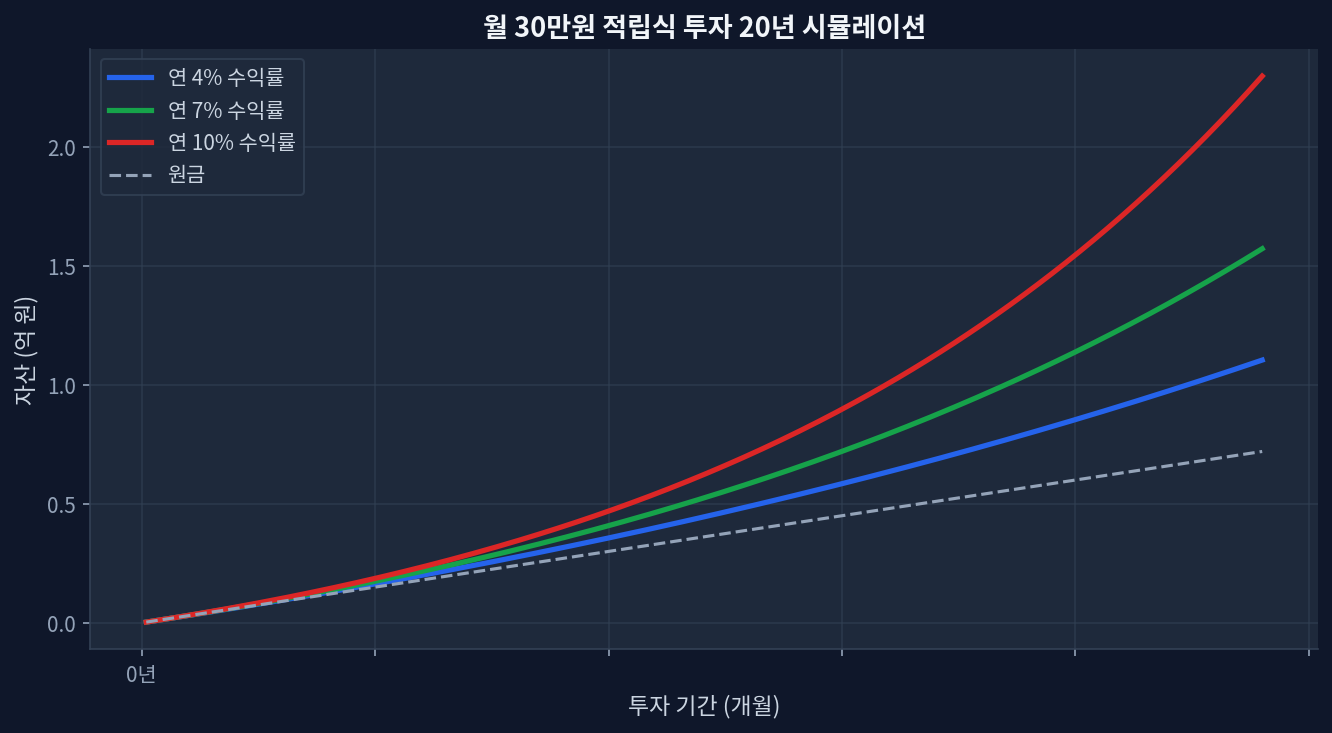
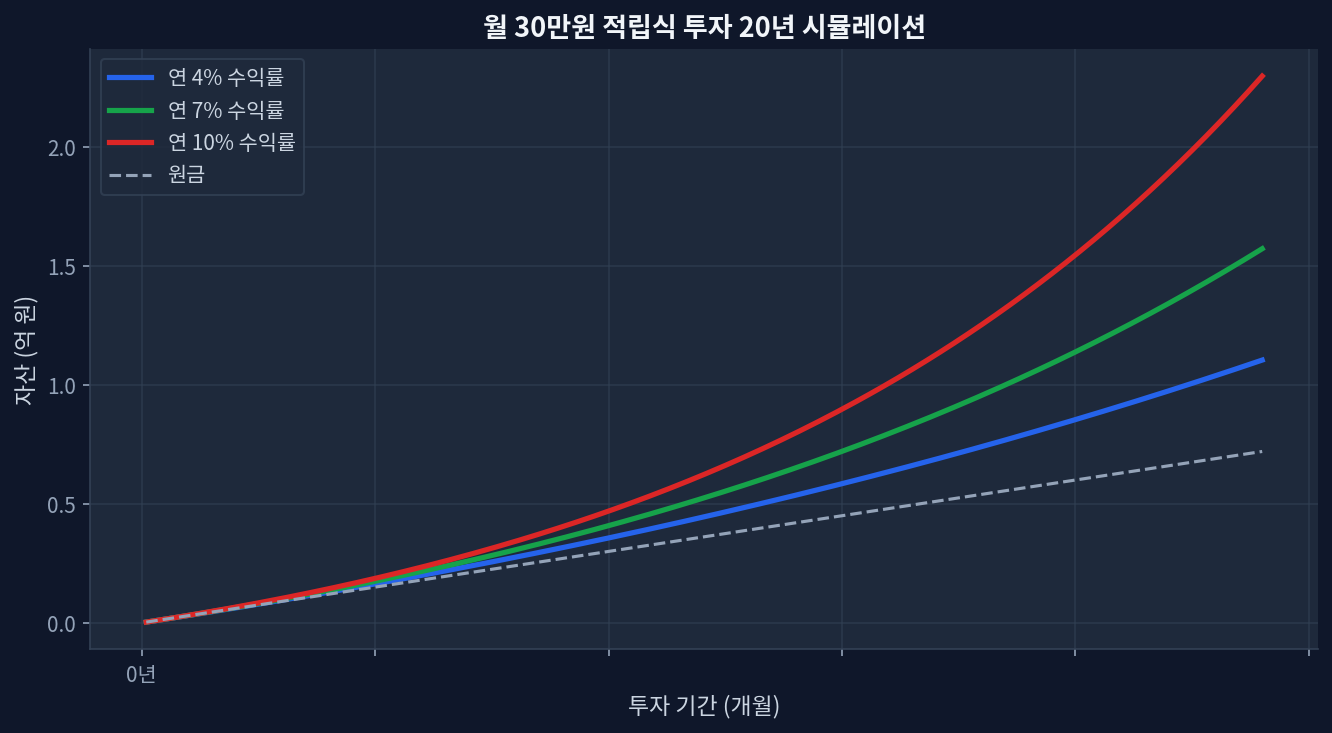
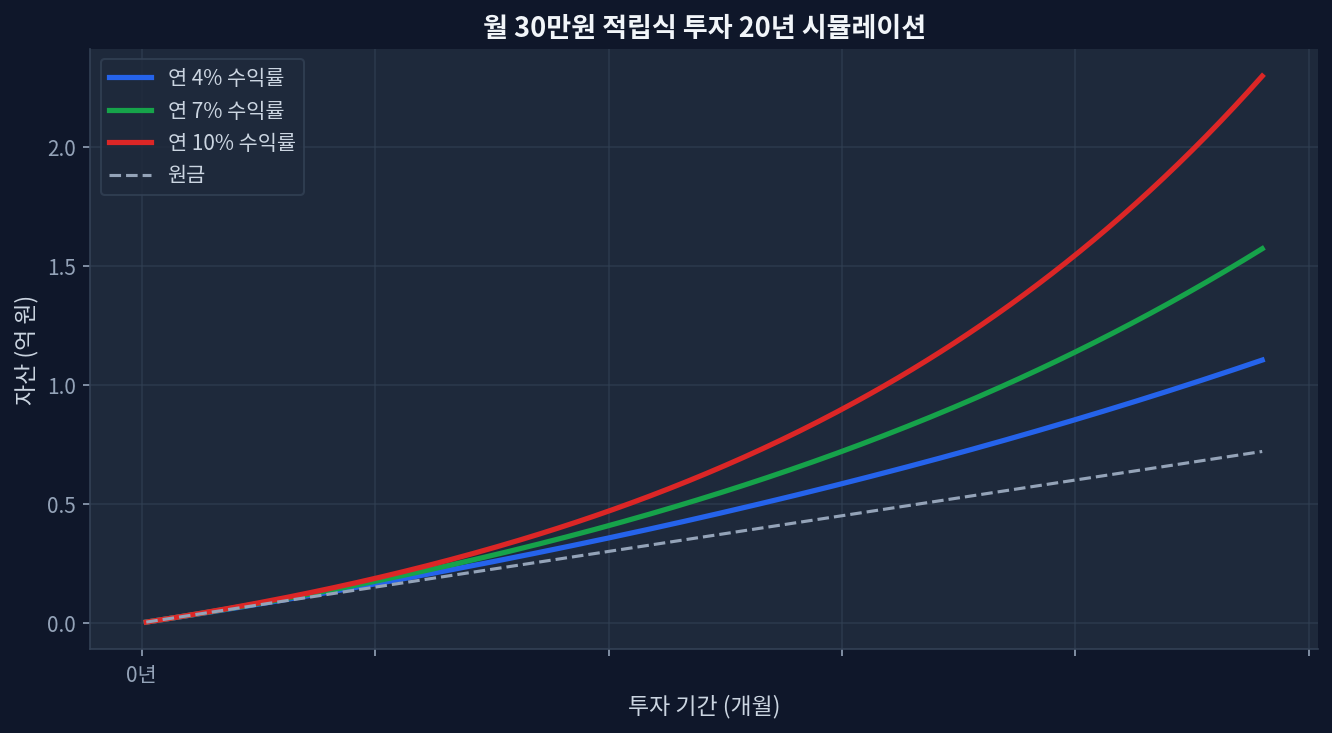
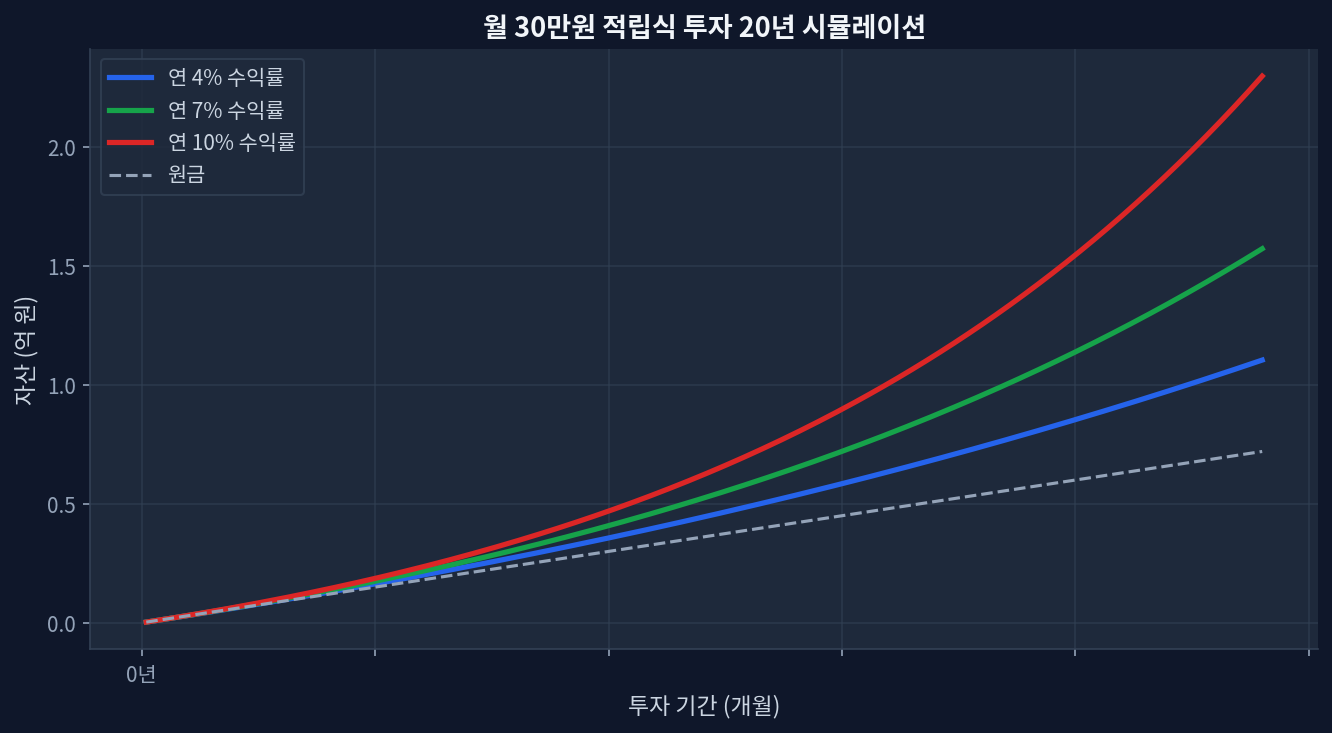
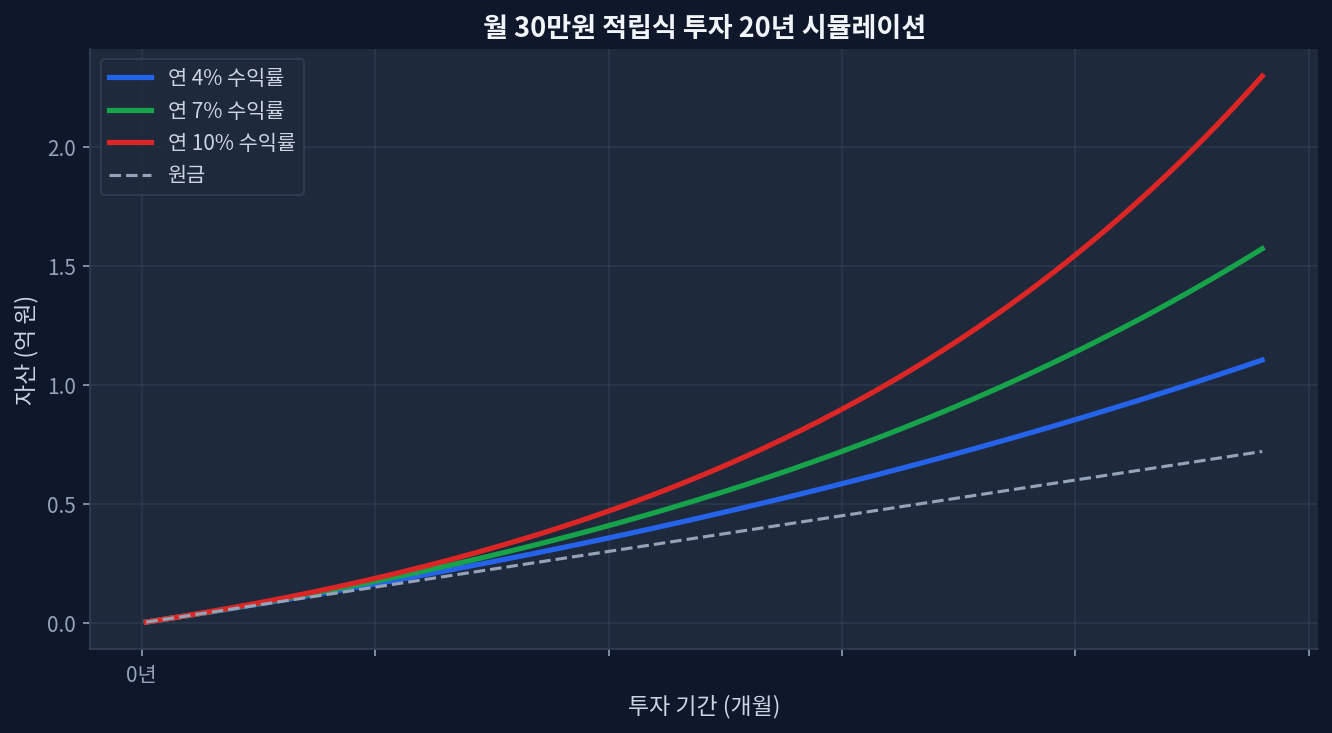
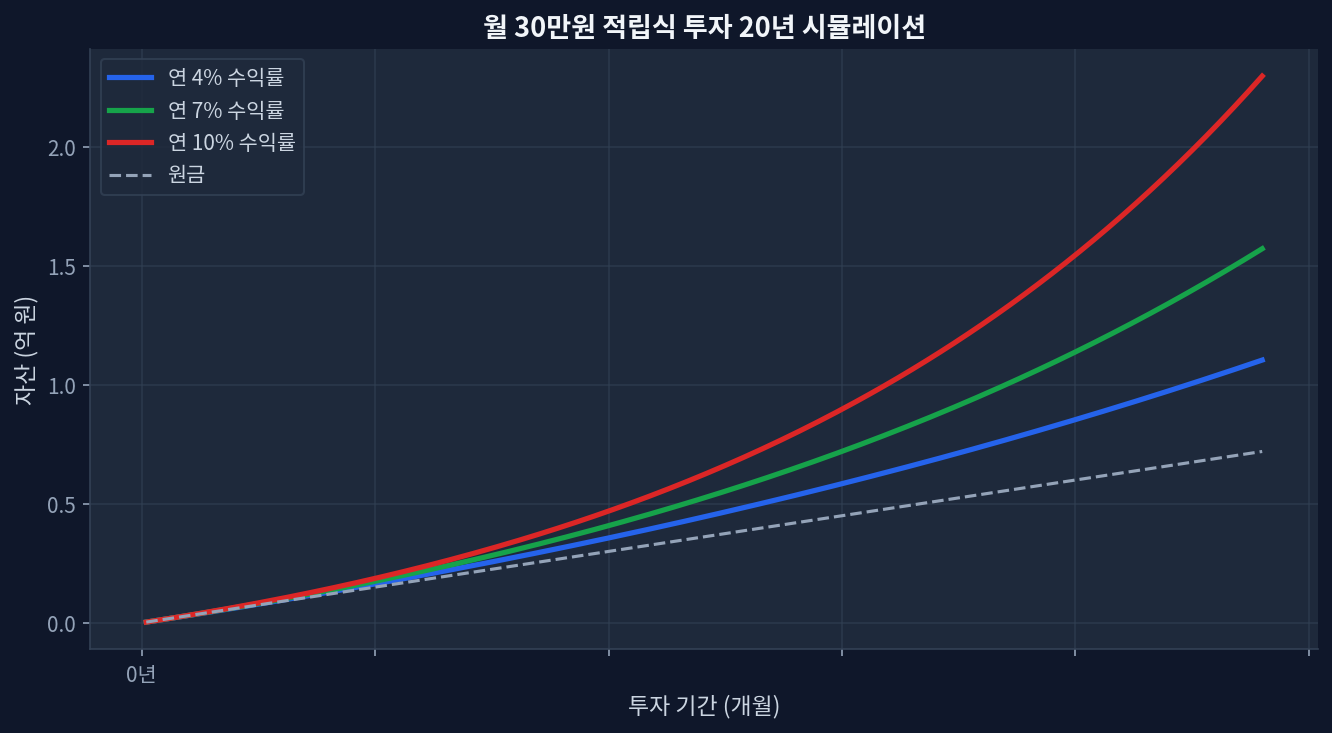
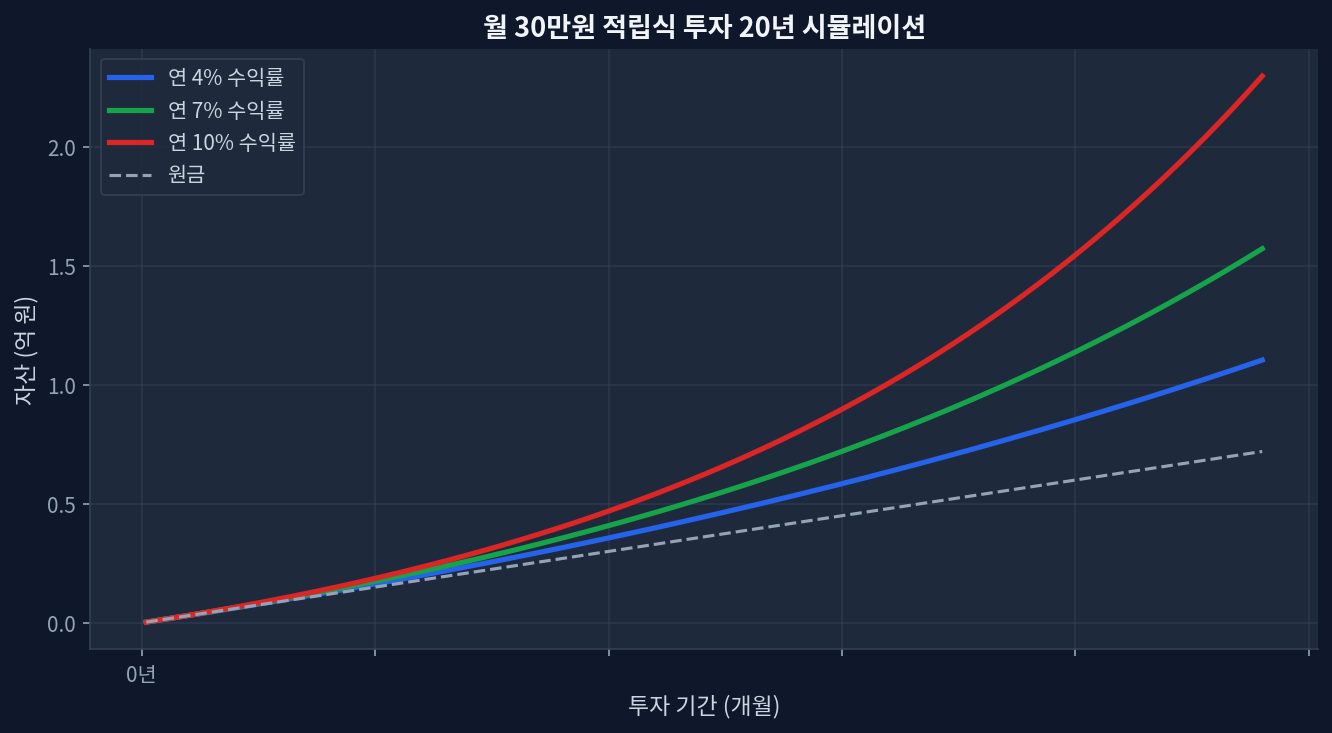
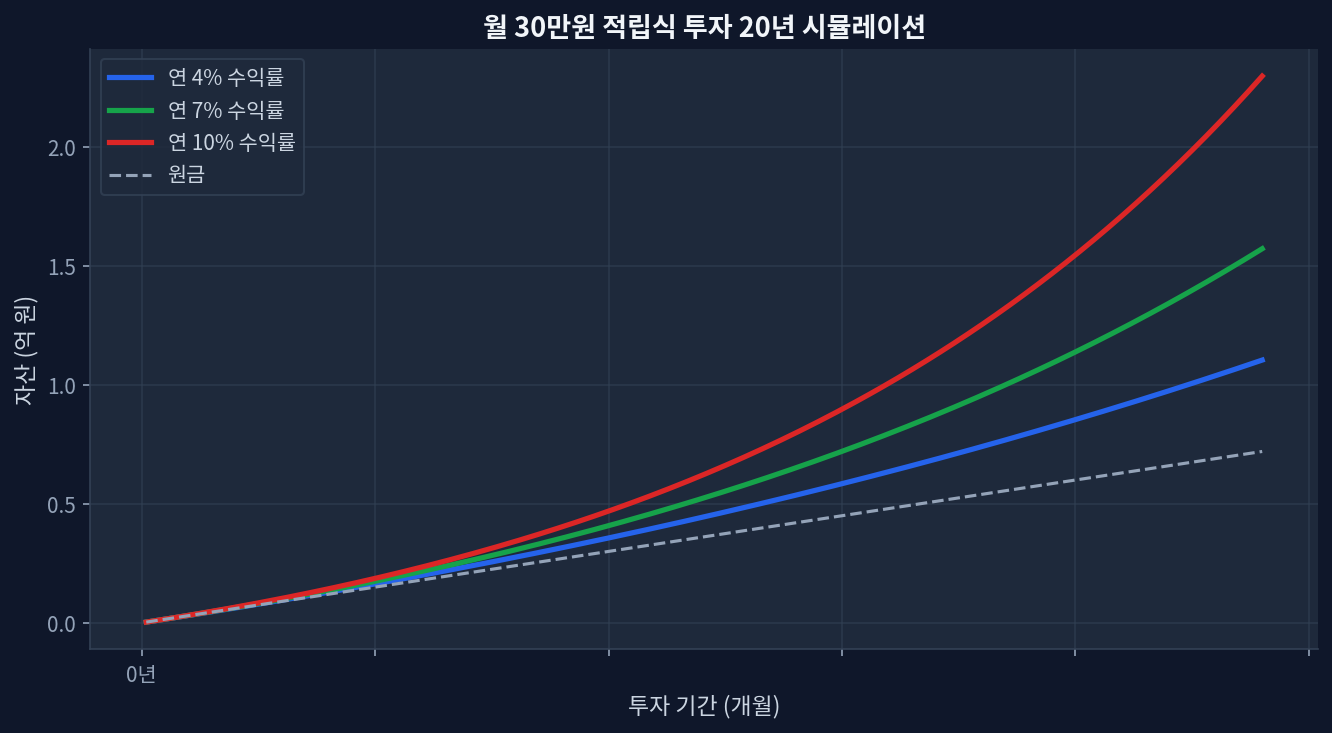
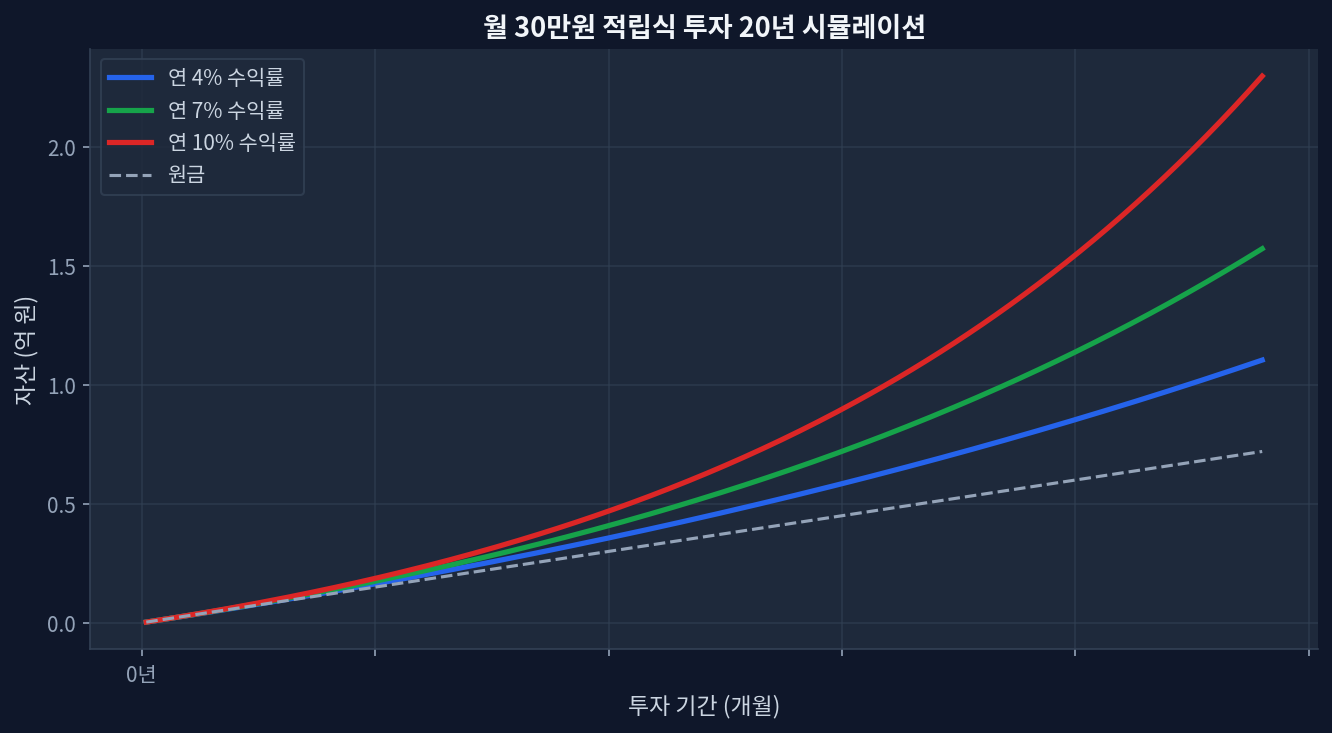
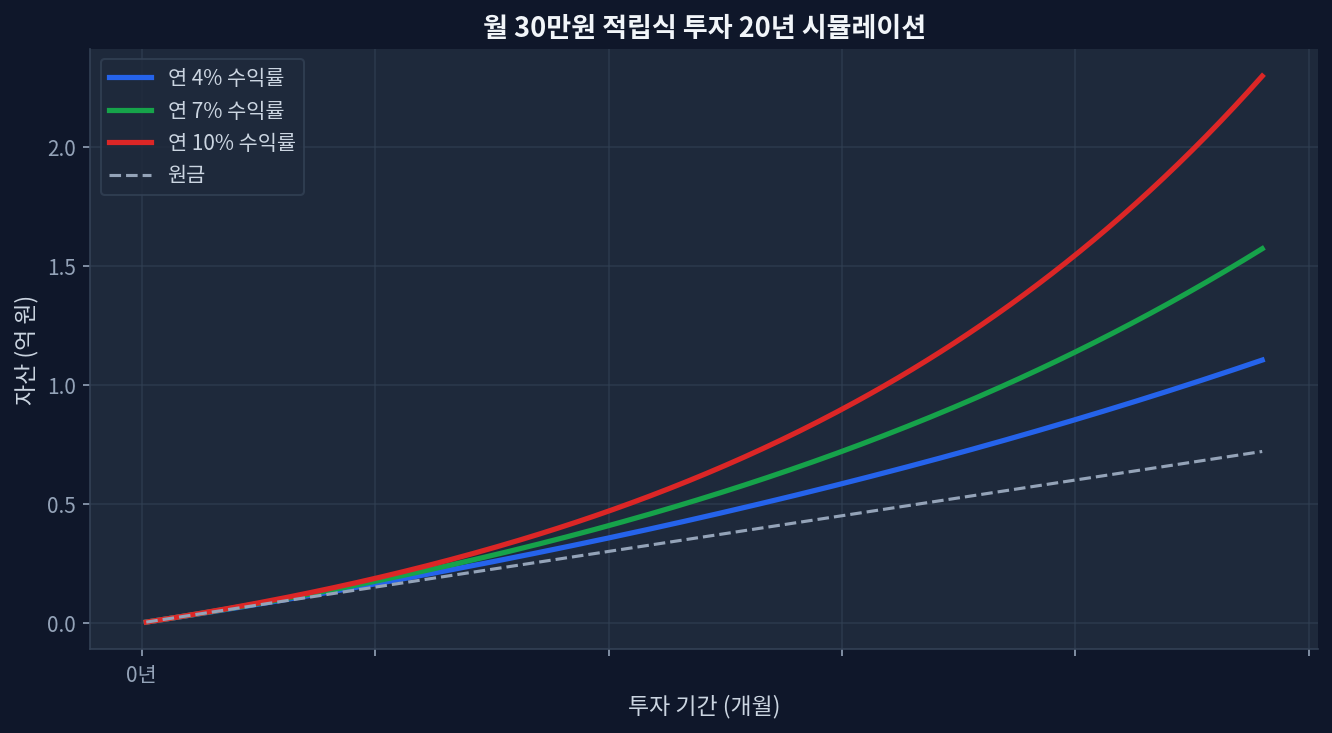
Monthly $30K investment 20-year compound growth simulation
VOO vs <a href=VXUS vs QQQ core metrics comparison" loading="lazy" style="max-width:100%;border-radius:8px;">
VOO vs VXUS vs QQQ: Risk and Return Across Markets

When a US investor purchases international equity ETFs, two distinct sources of return emerge: equity price movement in the foreign market, and currency fluctuation relative to the US dollar. Currency-hedged ETFs attempt to neutralize the second component using forward contracts or options, locking in the exchange rate at purchase.

Consider a concrete example: an investor buys an unhedged international ETF when USD/EUR trades at 1.10 (euros per dollar). The underlying index rises 10%, and simultaneously the dollar strengthens to 1.05 EUR/USD. The unhedged investor captures the 10% equity gain plus the 4.8% currency gain (1.10 to 1.05 represents a stronger dollar), totaling approximately +15%. A hedged version, by contrast, locks in the initial 1.10 rate, capturing only the 10% equity return minus hedging costs (typically 0.5–1.0%), netting roughly +9–9.5%.

Hedging costs flow through two channels. First is explicit: currency-hedged ETF share classes charge higher expense ratios, typically 0.10–0.30% above unhedged counterparts. Second is implicit cost—the spread between forward and spot exchange rates, plus rollover losses as contracts mature and renew. During the 2020–2023 period, when US interest rates exceeded international peers, forward premiums widened substantially, pushing total hedging drag to 1.0–1.5% annually in some windows. [Federal Reserve Historical Data]

Five-Year Performance Comparison: Hedged vs Unhedged Trajectories

Examine a representative pair of international equity ETF share classes. VXUS (Vanguard International Stock ETF, unhedged) and a hypothetical hedged variant tracked between January 2020 and January 2025 reveal persistent patterns.

MetricInternational Equities UnhedgedInternational Equities HedgedDifference
Expense Ratio0.09%0.19%+0.10%
Average Dividend Yield2.1%2.1%0%
Five-Year Cumulative Return (model)+64% (index basis)+58% (after hedging costs)-6%p
Annual Volatility~18%~15%-3%p
Maximum Drawdown-38% (March 2020)-33% (March 2020)+5%p

This table represents a stylized scenario. Real outcomes vary based on timing and magnitude of currency moves relative to equity performance. For illustration: 2021 witnessed aggressive US Federal Reserve tightening, driving dollar strength. Unhedged international investors likely captured 25%+ additional returns from currency appreciation. Conversely, late 2023 through early 2024 reversed the dollar bias—hedged positions then avoided currency headwinds. [MSCI International Index Performance]

Risk Profiles: Volatility and Drawdown Behavior

The real value of currency hedging lies not in return enhancement but in volatility suppression. Between 2020 and 2024, the MSCI World ex-US index exhibited annual volatility in the 15–18% range. Unhedged ETFs layered on top currency fluctuation (typically ±5–8%), pushing total volatility to 18–22%. Hedged variants, stripping out currency variance, remained in the 13–16% band.

This gap widens during acute drawdowns. March 2020’s COVID shock saw unhedged international equities fall roughly 35%, while hedged counterparts bottomed around 29–30%. Hedged portfolios recovered 1–2 weeks faster—a minor but psychologically meaningful edge when markets are in free fall. Currency elimination reduces directional uncertainty in price moves, tightening the distribution of daily changes. [Morningstar Volatility Analysis]

Yet 2024’s signals of slower US growth and Fed rate cuts paradoxically raised volatility in hedged positions. Hedging begins to resemble insurance premium: you sacrifice upside in rallies to cap losses in downturns. Volatility smoothing comes at the cost of return compression during extended bull runs.

Currency Direction Forecasting and Hedging Decisions

The decision rule is deceptively simple: if you expect your home currency to weaken against the investment’s currency, choose unhedged; if you expect it to strengthen, choose hedged. In practice, forecasts are wrong with remarkable consistency.

Early 2020 consensus predicted post-pandemic dollar weakness. US inflation spiked instead, the Federal Reserve hiked aggressively (2022–2023), and the dollar reached 20-year highs. Unhedged international investors accidentally profited enormously. Hedged investors locked in opportunity costs. Flip to late 2023: Fed pivot toward rate cuts reversed dollar momentum. Hedged investors quietly avoided losses while unhedged players faced currency headwinds. [Federal Reserve Economic Data]

Macroeconomically, interest rate differentials drive currency direction. As of mid-2024, the US Federal Funds rate sits at 4.25–4.50%, while major trading partners (Eurozone, Japan) remain lower. This 1.5–3.0% spread creates carry trade incentives—foreign capital seeking US yield, supporting dollar strength. Under this logic, unhedged positioning appears advantageous. However, growth slowdowns or inflation undershoots accelerate Fed rate cuts, reversing the advantage. The causal chain breaks whenever macro assumptions shift.

Tax Complications and Dividend Reinvestment Friction

US tax law treats hedged and unhedged ETF gains differently, with implications for after-tax returns. Foreign dividends received by US residents are typically subject to a foreign tax credit system (FTC). The mechanism: foreign withholding tax (usually 10–15% depending on treaty) reduces the federal tax bill when properly claimed. However, hedged securities complicate this calculation. Some hedge structures are treated as derivatives under Section 1256 rules, potentially triggering mark-to-market accounting rather than buy-and-hold treatment.

Beyond tax accounting, dividend reinvestment risk compounds. Suppose an international ETF distributes a $1,500 dividend, and the investor reinvests it when USD/EUR has strengthened from 1.10 to 1.05. The dividend buys less foreign currency-denominated assets. This “dividend conversion drag” accumulates over decades—a hidden friction unhedged portfolios absorb silently. Hedged versions suppress this by fixing the reinvestment rate, though at the cost of upfront premium.

Frequently Asked Questions

Q1: What is the precise cost of hedging in percentage terms?

Hedging cost breaks into two components. Explicit annual expense ratio premium: +0.10–0.30%. Implicit rollover and basis costs: highly variable, typically 0.4–1.2% annually depending on interest rate spreads. When US rates exceed international peers (2020–2024 majority), implicit costs climbed toward the higher range. When spreads compress or reverse, hedge costs approach zero or even generate slight gains. Precise numbers require reviewing recent fund factsheets or prospectuses, not historical averages.

Q2: Does hedging help with dividend taxation?

Partially, though indirectly. Hedged positions lock in the USD equivalent of dividends at purchase, reducing the variance of reinvestment prices. This shrinks the impact of adverse currency moves on reinvestment purchasing power. However, the hedge itself is a derivative position, and US tax code treats derivatives separately from equity holdings under Section 1256 in some cases. Consult a tax professional before assuming hedged = better tax outcomes.

Q3: How does investment time horizon (5 vs 10 vs 30 years) change the hedge decision?

Longer horizons favor unhedged. Reasons: mean reversion in currency pairs over extended periods, and the compounding effect of hedging costs eroding returns. A 5-year window can see persistent one-directional currency bias (as 2020–2024 showed). By 30 years, multiple rate-cycle reversals typically occur, and currency volatility partly self-cancels. Hedging costs, accumulated over three decades, become severe. Evidence suggests the inflection point—where unhedged expected value exceeds hedged after costs—occurs around 12–18 years. For 10+ year horizons, unhedged is generally stronger.

Q4: What are the decision criteria between hedged and unhedged international ETF share classes?

Decision matrix: (1) Return goal—choose unhedged for maximum growth potential, hedged for volatility minimization. (2) Funding source—use hedged for retirement/stable-value assets where drawdown risk damages sleep quality; unhedged for growth-phase wealth accumulation. (3) Time to cash need—if capital is required within 2 years, hedged removes timing risk; 5+ years favors unhedged. (4) Currency regime expectations—only use hedging if you have genuine conviction about currency direction (rare, since most forecasts fail).

Q5: If I own hedged ETFs and want to switch to unhedged, will I incur losses?

Potentially, depending on relative fund prices and tax consequences. A switch triggers a taxable sale event (if profit exists) subject to capital gains tax. If the hedged position shows a loss, you may realize it (useful for tax-loss harvesting). The more subtle issue: hedged and unhedged versions track the same index with different currency overlays, so their Net Asset Values diverge. Selling hedged at 10,000 NAV when unhedged sits at 10,500 NAV doesn’t create or destroy money—it reflects accumulated hedge costs. Real damage comes from capital gains tax on profits. If you’ve held 12+ months, long-term rates apply (potentially 15–20%); under 12 months, ordinary rates (up to 37%). Run the math before converting.

Conclusion: Matching Hedging Choice to Risk Profile

Currency hedging is not a yes-or-no decision—it is situational. The data, however, clarifies priorities.

Choose Unhedged When: You plan to hold 5+ years, the global economy is likely to sustain higher US interest rates (attracting foreign capital and supporting dollar), and you intend to reinvest dividends consistently. Dollar strength has been the historical norm—not certainty, but a multi-decade tendency. Hedging costs erode this long-run tailwind. In the scenario above, an investor committed to monthly international equity purchases from 2020–2025 benefited substantially from unhedged exposure to USD appreciation.

Choose Hedged When: Volatility exceeds your tolerance threshold, you require capital within 2–3 years, or you hold genuine macroeconomic conviction about currency weakness (a rare conviction worth staking on). Hedged positions trade return potential for peace of mind. The trade is defensible if sleep quality matters more than compounded wealth.

No investment decision is costless. Currency hedging asks: are you willing to sacrifice probable long-term return gains in exchange for shorter-term volatility reduction and currency certainty? The answer depends on when you need the capital, how much volatility you can psychologically endure, and your confidence in macroeconomic forecasts (which history suggests should be low).

Investing requires choosing between competing goods—higher returns with rougher paths, or steadier paths with lower final wealth. Hedging represents that trade made explicit.

🤖 AI-Generated Content: This content was drafted by AI (Claude/Gemini) and filtered through an automated verification system. It has not been reviewed by a human editor.
⚠️ Disclaimer: This content is for informational purposes only and does not constitute investment advice. All investment decisions are at your own risk.
This site is supported by Google AdSense advertising revenue. We receive no compensation or sponsorship from any ETF, broker, or financial product.