JEPI's 10.3% Dividend Hike Masks Troubling Total Return Gap vs. SCHD

JEPI's 10.3% Dividend Hike Masks Troubling Total Return Gap vs. SCHD

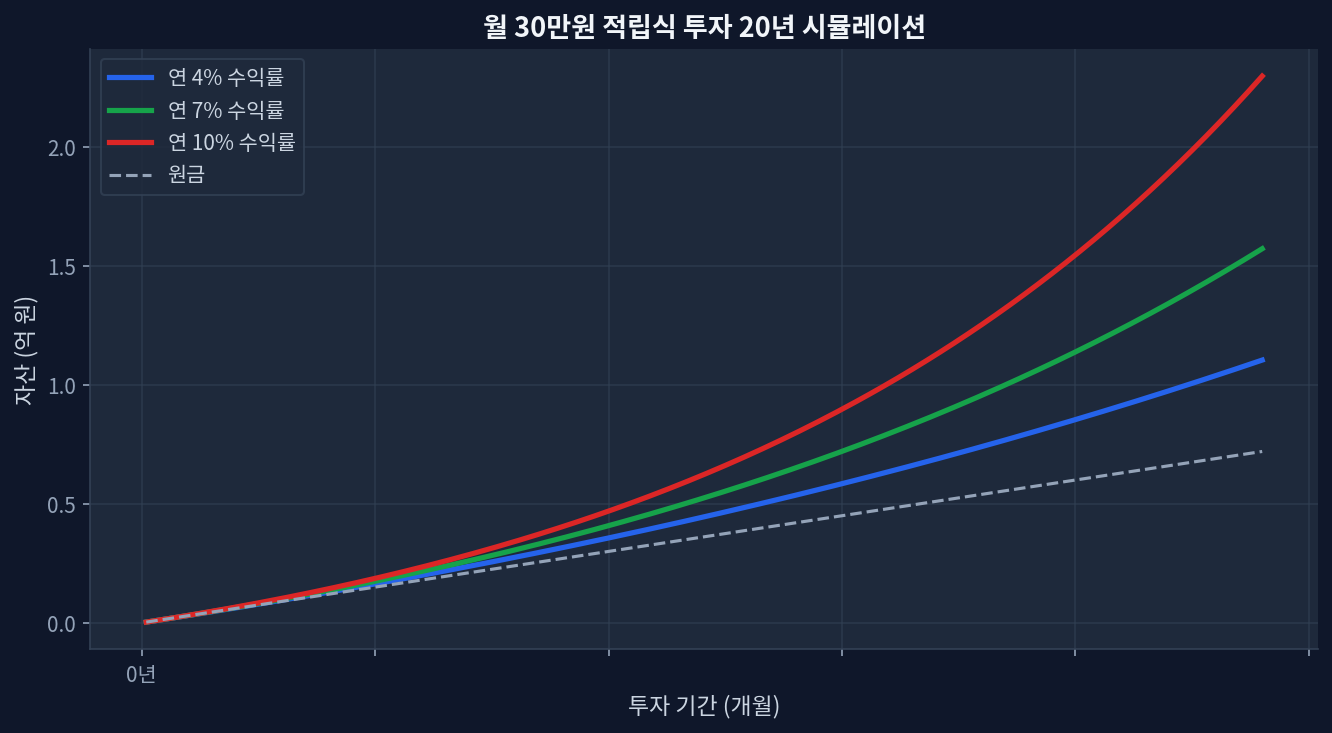
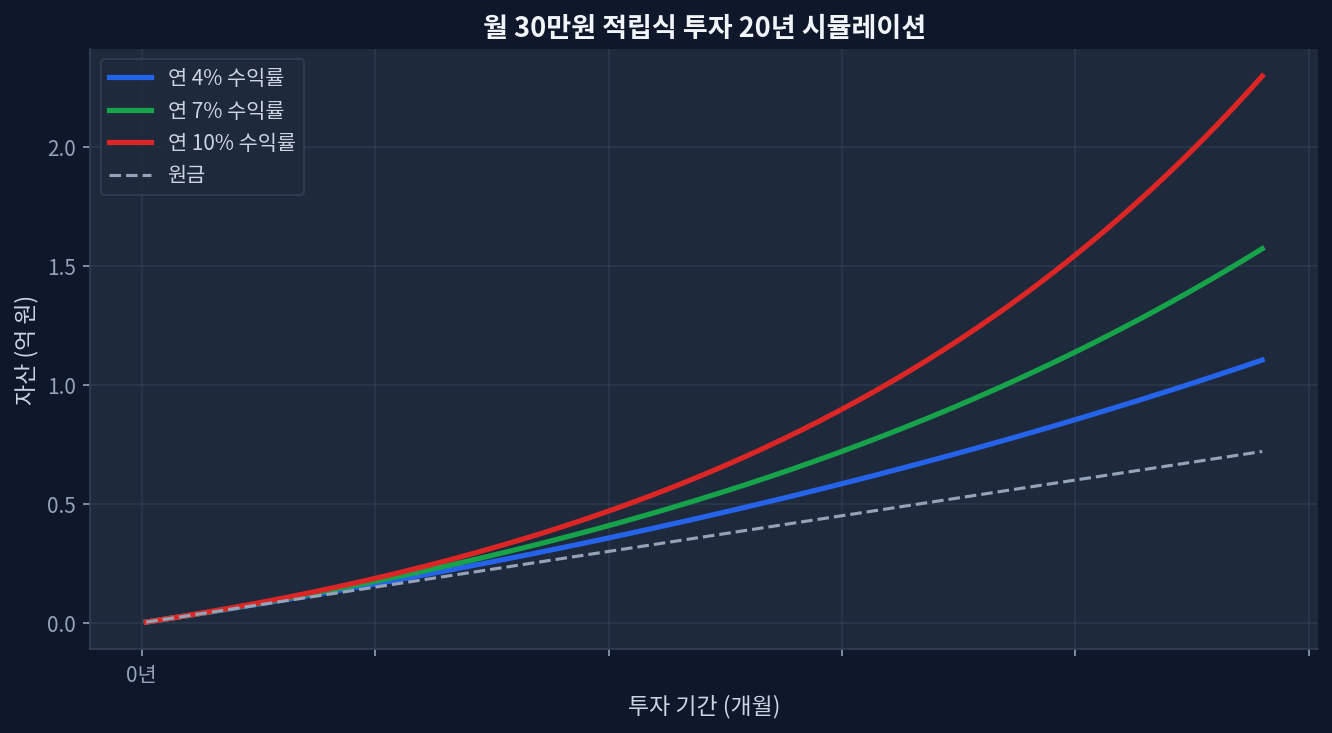
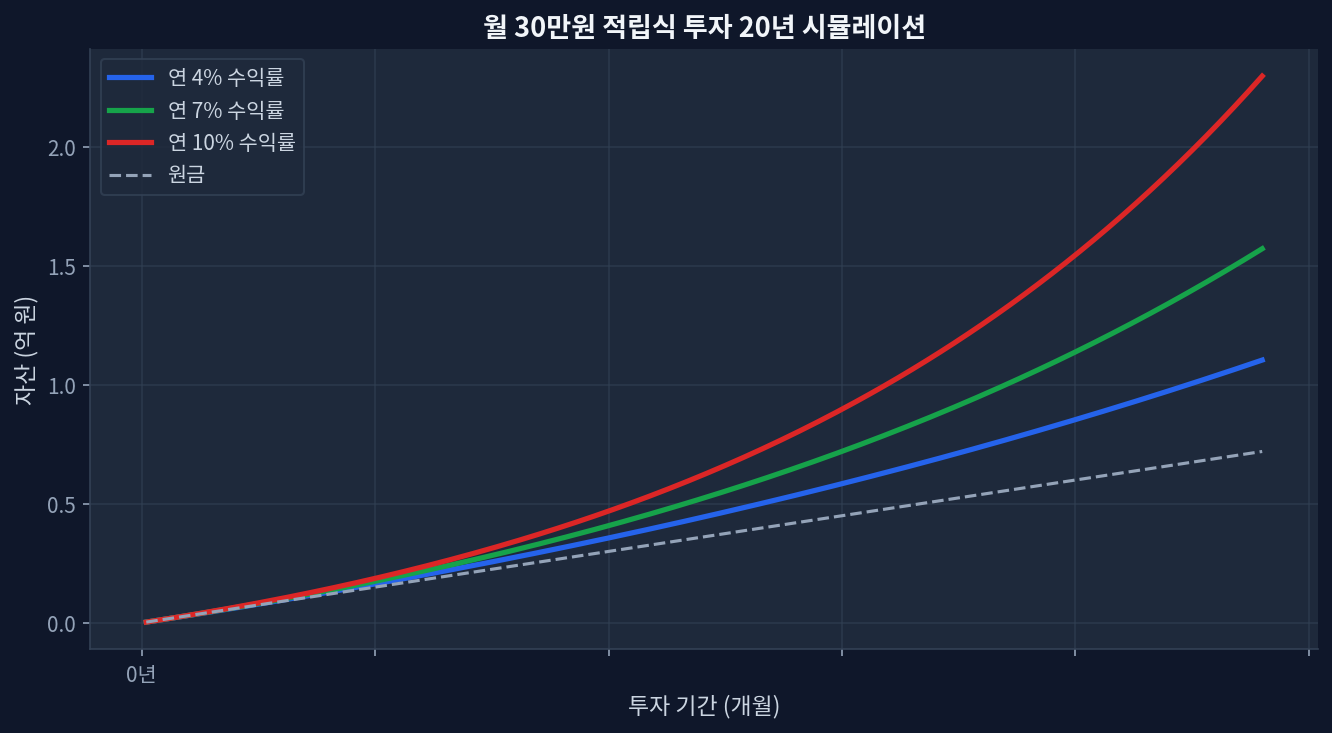
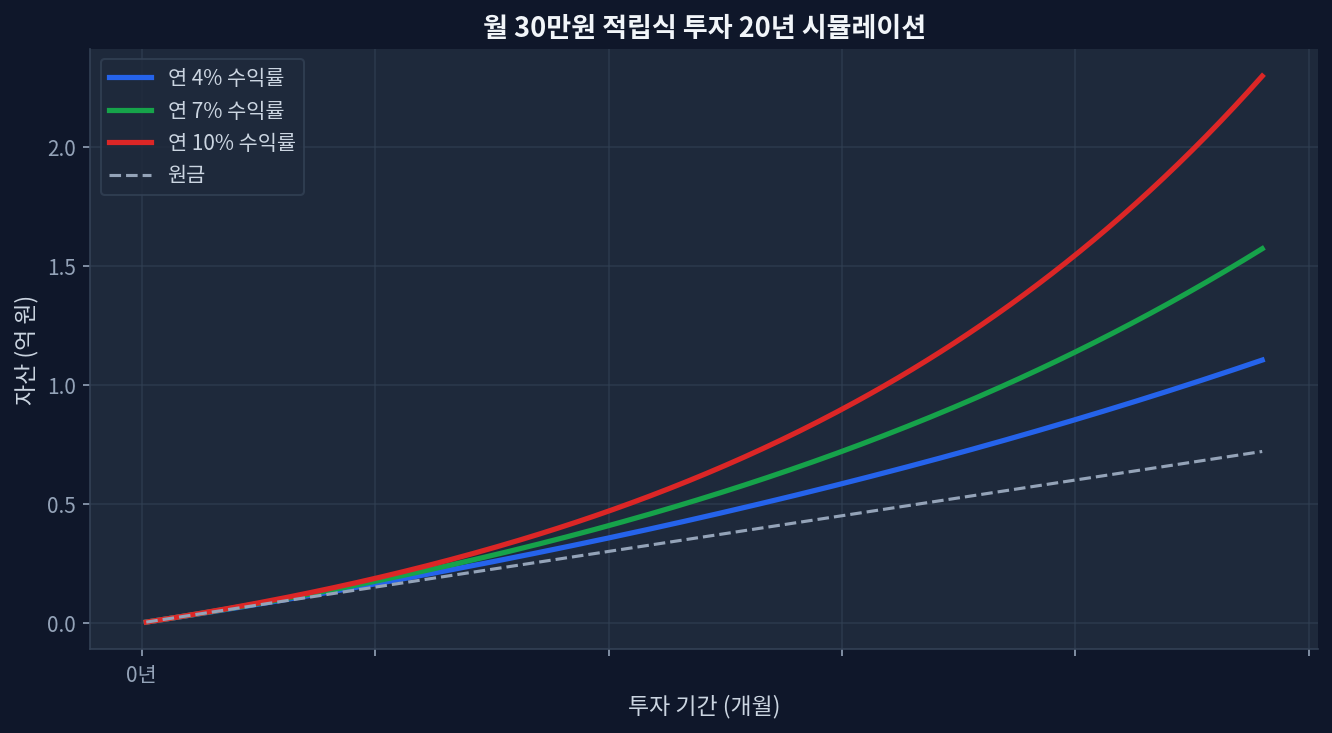
JEPI quarterly dividend raised to $0.3870 (up 10.3% year-over-year)Current dividend yield: 8.08% (elevated) vs 1-year total return: +7.4% (weak)5-year cumulative return: +42.5% vs SCHD +54.9% (2.4%p annual underperformance)P/E ratio 26.8 (SCHD 19.0) represents 40% valuation premium; trading at 30.2% of 52-week range (multi-year low)Cash extraction pressure: elevated dividend payouts compress capital preservation capacity, weakening price support The Structural Dilemma Behind the Dividend Raise Monthly $30K investment 20-year compound growth simulation 20-year monthly investment simulation showing dividend and capital gain divergence JEPI’s quarterly dividend increase to $0.3870—a 10.3% rise from the prior-year $0.3508—presents as a positive signal on the surface. Yet for a $44.7 billion ETF to merit attention primarily for a dividend raise already signals a deeper issue. ...

July 20, 2026 · InvestIQs Research
JEPI Quarterly Dividend Raised 10.3%, Yet Growth Stagnation Signals Ca

JEPI Quarterly Dividend Raised 10.3%, Yet Growth Stagnation Signals Ca

schd-deconstructing-covered-call-premium-costs-in-a-5-year-data-review/">JEPI quarterly dividend announcement: $0.3870 (+10.3% year-over-year increase)Current dividend yield: 8.08% (elevated) vs. 1-year total return: +7.4% (weak)5-year cumulative return: +42.5% vs. SCHD +54.9% (2.4% annualized gap)P/E ratio 26.8 (40% premium to SCHD's 19.0); trading at 30.2% of 52-week range (bearish signal)Cash outflow pressure: elevated dividend payments reduce retained capital, weakening share price defense The Structural Dilemma Hidden in Dividend Growth Monthly $30K investment 20-year compound growth simulation Monthly $2,000 Recurring Investment Over 20 Years: Compound Growth Simulation JEPI’s quarterly dividend increase to $0.3870 appears favorable on the surface. A 10.3% jump from the prior-year quarter’s $0.3508 demonstrates consistency. Yet for a $44.7 billion ETF to draw attention primarily on dividend growth itself represents a structural problem. ...

July 19, 2026 · InvestIQs Research
JEPQ's 25.1% Dividend Hike: The Hidden Mechanics Behind 9.95% Yield

JEPQ's 25.1% Dividend Hike: The Hidden Mechanics Behind 9.95% Yield

Quarterly Dividend: $0.6370 announced, up 25.1% year-over-year Dividend Yield: 9.95% vs JEPI 8.08% (JEPI shows superior dividend stability) 1-Year Total Return: JEPQ +19.0% vs JEPI +7.4% (JEPQ demonstrates higher aggressiveness) Current Price: $58.51, 5.2% below 52-week high of $61.72 Critical Caveat: High dividend relies on option premium generation—sharp drawdowns carry significant distribution cut risk JEPQ (JPMorgan Nasdaq-100 Options Income ETF) announced a quarterly dividend of $0.6370, representing a 25.1% year-over-year increase. This translates to a stated dividend yield of 9.95%. Among retail investors encountering this data for the first time, a recurring question surfaces: “With S&P 500 dividend yields languishing near 1.4%, is a 9.95% yield truly compelling, or does it mask structural fragility?” ...

July 18, 2026 · InvestIQs Research
SCHD Dividend Cut -2.7% Maintains 3.25% Yield: Strategic Positioning B

SCHD Dividend Cut -2.7% Maintains 3.25% Yield: Strategic Positioning B

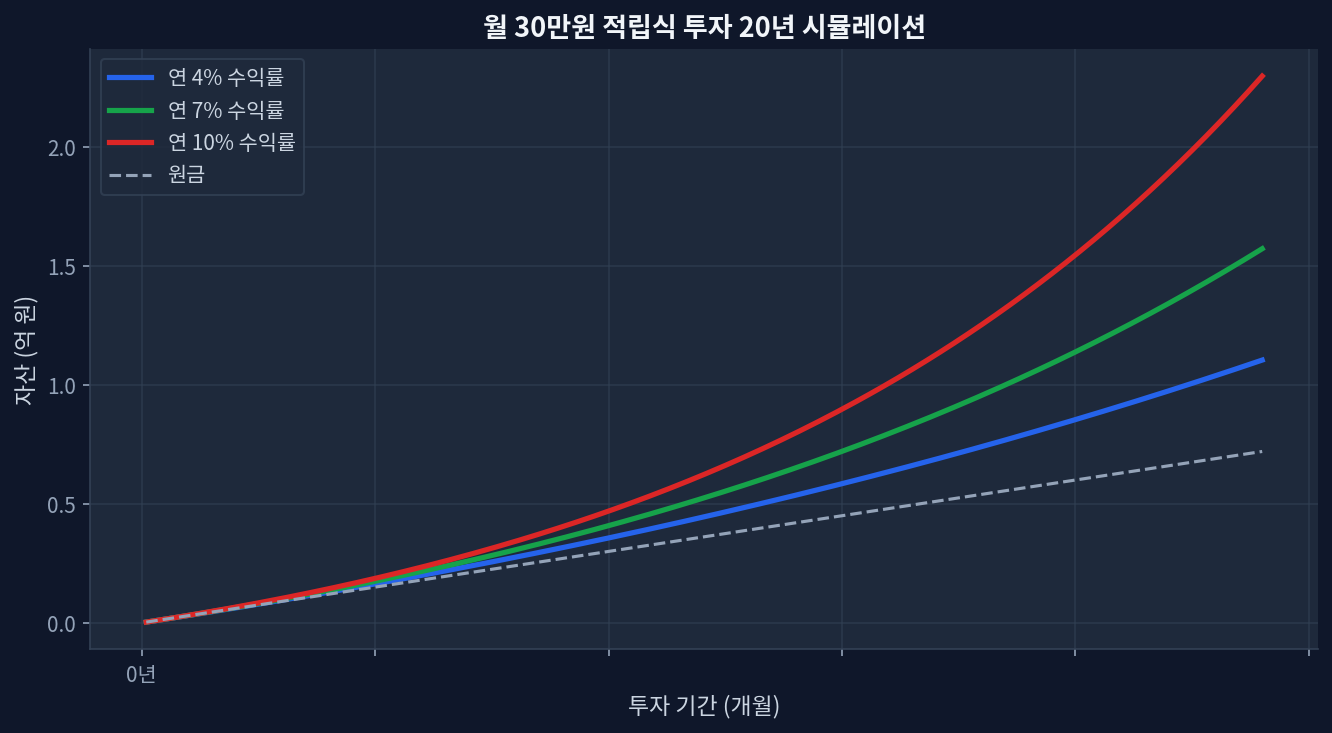
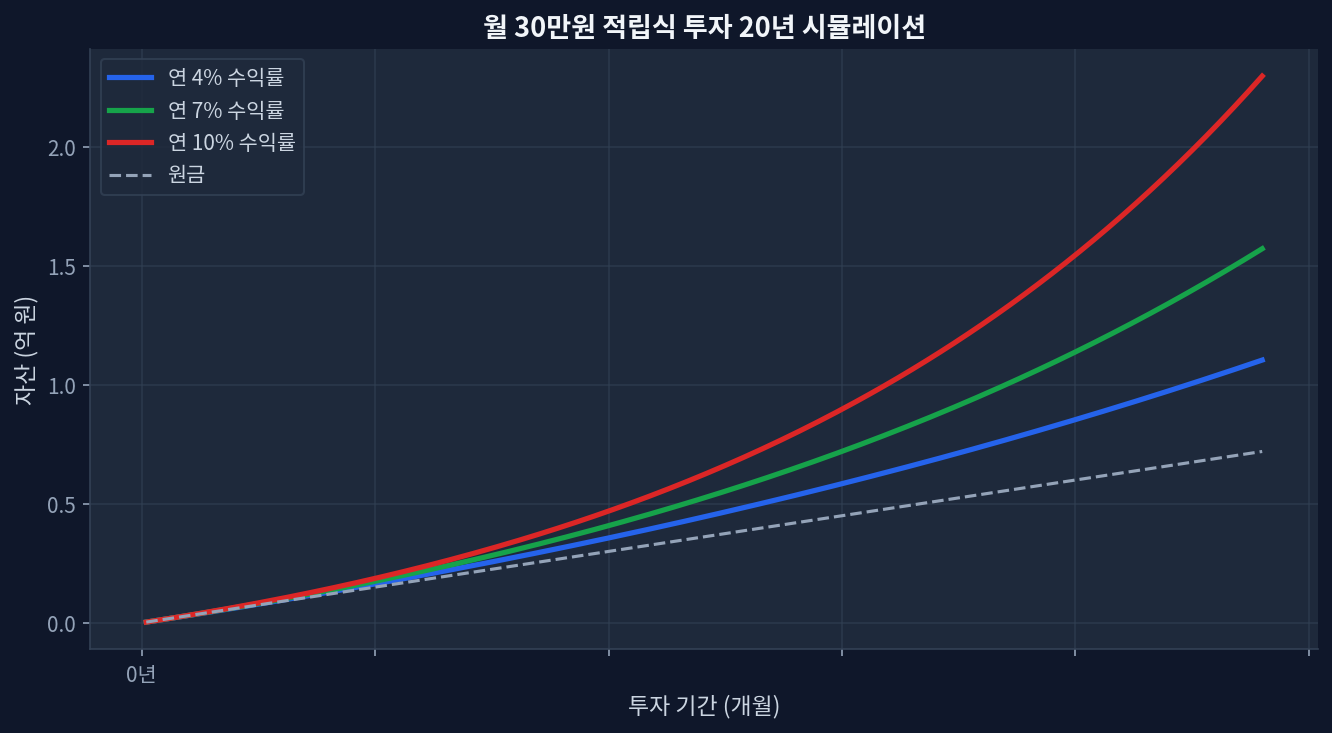
SCHD Quarterly Dividend Cut -2.7% Maintains 3.25% Yield: Strategic Positioning Beyond the Headline Monthly $30K investment 20-year compound growth simulation SCHD quarterly dividend: $0.2530, down -2.7% year-over-year Dividend yield: Still 3.25% — 2.2x higher than VIG's 1.47% 1-year total return: +26.5% (dividends plus price appreciation) Current valuation: P/E 18.8 reflects moderate pricing; near 52-week high at 85.7% percentile Assets under management: $94.9B — scale supporting dividend stability Dividend Reduction: Why It Does Not Signal Distress 20-Year Compounding Simulation: Monthly Dollar-Cost Averaging Strategy Schwab US Dividend Equity ETF (SCHD) announced a quarterly dividend of $0.2530, representing a -2.7% reduction from $0.2600 in the same quarter of 2024. On surface-level headlines, this reads negative — dividends declined. ...

July 2, 2026 · InvestIQs Research
SCHD Quarterly Dividend Cut 2.7%, Yet 3.25% Yield Persists: Why the Ma

SCHD Quarterly Dividend Cut 2.7%, Yet 3.25% Yield Persists: Why the Ma

SCHD Quarterly Dividend Cut 2.7%, Yet 3.25% Yield Persists: Why the Market Narrative Misses the Point Monthly $30K investment 20-year compound growth simulation SCHD quarterly dividend: $0.2530, down 2.7% year-over-year Dividend yield: Still 3.25% — 2.2x higher than VIG at 1.47% One-year total return: +26.5% (dividend plus capital appreciation) Current valuation: P/E 18.8, moderate territory, currently trading 85.7% into the 52-week range Assets under management: $94.9B — scale that underpins distribution stability Dividend Cut, Yet Surprisingly Resilient Schwab US Dividend Equity ETF (SCHD) announced a quarterly distribution of $0.2530—down 2.7% from the same period last year at $0.2600. On the surface, a contraction in cash flow. Dividend was trimmed, so the narrative should be negative. ...

July 1, 2026 · InvestIQs Research
SCHD Dividend Cut of -2.7% Yet Yield Holds at 3.25%: Dividend Stabilit

SCHD Dividend Cut of -2.7% Yet Yield Holds at 3.25%: Dividend Stabilit

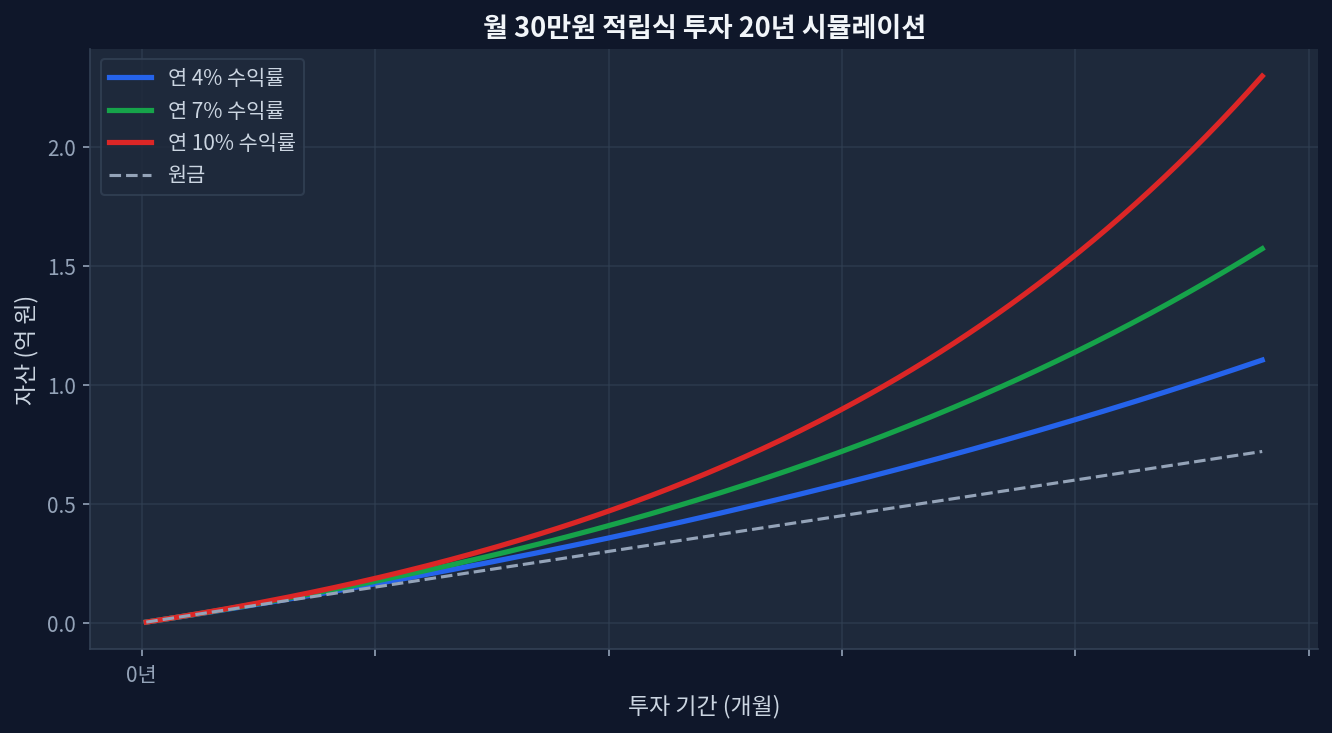
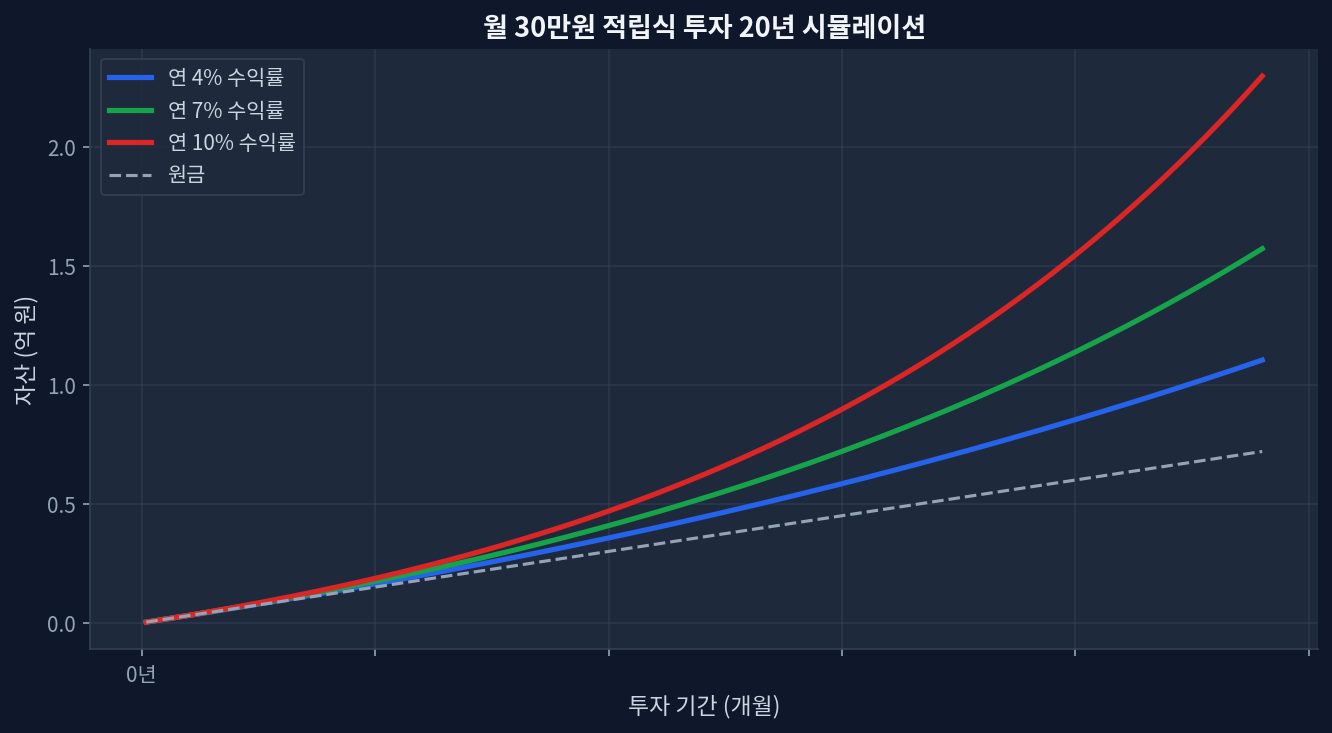
SCHD Dividend Cut of -2.7% Yet Yield Holds at 3.25%: Dividend Stability Through Market Cycles Monthly $30K investment 20-year compound growth simulation SCHD quarterly dividend: $0.2530, down 2.7% year-over-year Dividend yield: Still 3.25% — 2.2x higher than VIG's 1.47% 1-year total return: +26.5% (dividends plus capital appreciation) Current valuation: P/E 18.8, moderate level; trading near 85.7% of 52-week high Assets under management: $94.9B — scale supporting dividend stability The Dividend Cut That Does Not Signal Weakness 20-year monthly investment accumulation with dividend reinvestment Schwab US Dividend Equity ETF (SCHD) announced its quarterly dividend at $0.2530, representing a 2.7% decrease versus the same quarter in 2024 when it paid $0.2600. On its surface, this reads negative—dividends were reduced, after all. ...

June 30, 2026 · InvestIQs Research
GLD in Crisis: How Gold ETFs Defended Against 2008-Style Losses

GLD in Crisis: How Gold ETFs Defended Against 2008-Style Losses

GLD returned +123.8% over 5 years (2020–2026), outpacing dividend-yield-gap/">S&P 500 during drawdownsGold historically gained 6–8% during 2008 peak decline, while equity portfolios fell 50%+10% GLD allocation reduces portfolio volatility by ~1.5–2.0% annually, flattening bear-market swingsGLD trades at $373.63 with $150.4B AUM; competitive vs. IAU on fees ($0.24 vs $0.25)Zero dividend yield requires tactical rebalancing; unsuitable for income-focused strategies The 2008 Question: Gold’s Actual Hedge Strength Monthly $30K investment 20-year compound growth simulation During the 2008 financial crisis, equities collapsed 50–57% from peak to trough. Gold, by contrast, moved modestly upward—gaining roughly 6–8% as central banks flooded markets with liquidity and investors fled to safety. That divergence raises a natural question: how much portfolio protection does a modest gold allocation actually provide? ...

June 29, 2026 · InvestIQs Research
SCHD Quarterly Dividend Cut 2.7%: Why the 3.25% Yield Persists | SCHD

SCHD Quarterly Dividend Cut 2.7%: Why the 3.25% Yield Persists | SCHD

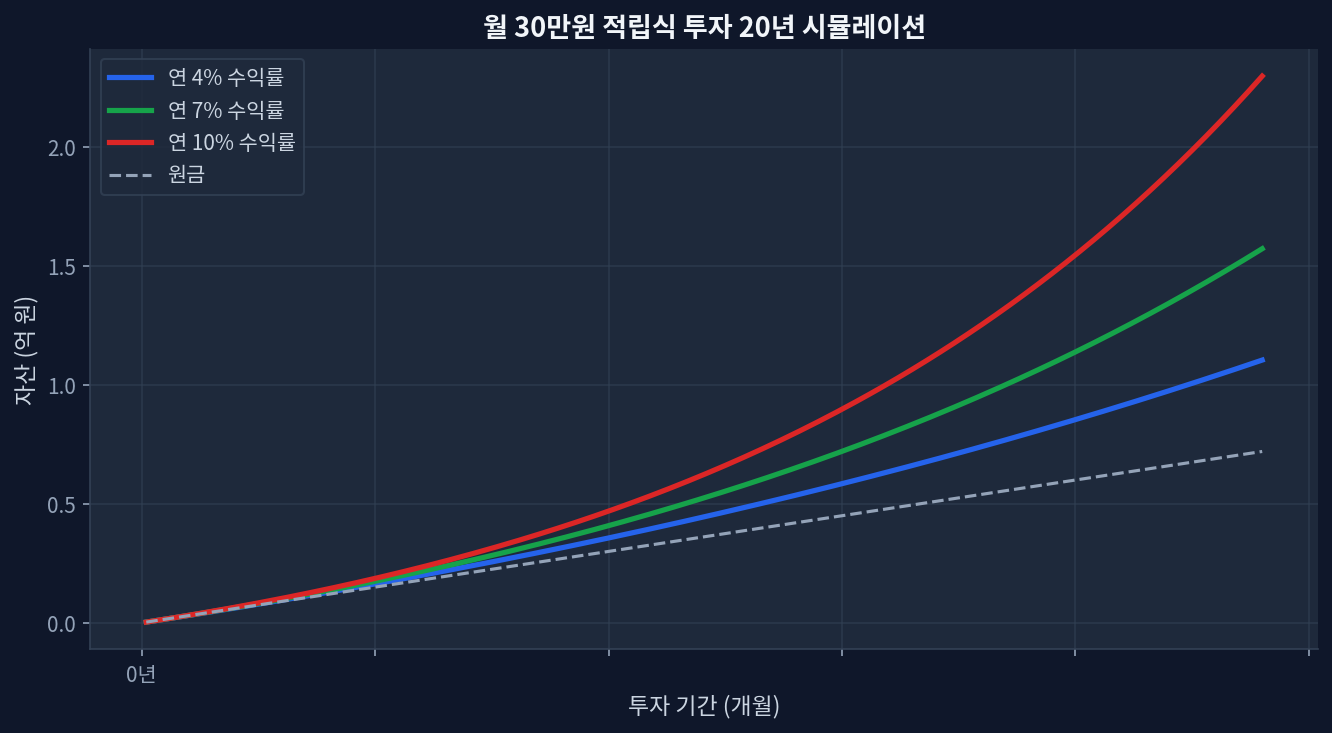
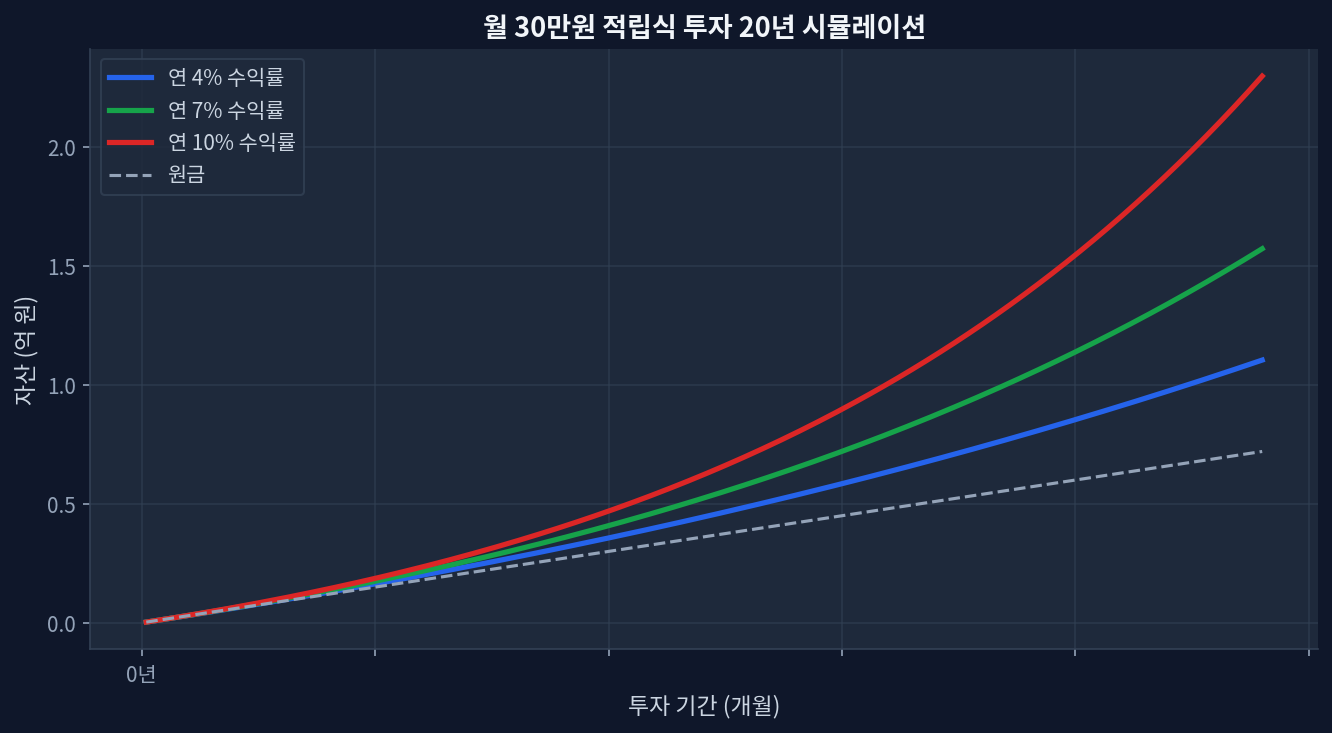
SCHD Quarterly Dividend Cut 2.7%: How the 3.25% Yield Remains Intact schd/compound-growth.png" alt="Monthly $30K investment 20-year compound growth simulation" loading="lazy" style="max-width:100%;border-radius:8px;">Monthly $30K investment 20-year compound growth simulation SCHD quarterly dividend: $0.2530 down 2.7% from prior year Dividend yield: 3.25% maintained — 2.2x higher than VIG's 1.47% One-year return: +26.5% (dividends plus price appreciation) Current valuation: P/E 18.8 at moderate levels, near 85.7% of 52-week high Assets under management: $94.9B underpinning dividend stability Dividend Cut, Yet Far From Weak Dollar-cost averaging simulation over 20-year period Schwab US Dividend Equity ETF (SCHD) announced its quarterly dividend at $0.2530. This marks a 2.7% decrease from the same quarter in 2024 at $0.2600. On the surface, negative territory. The dividend was cut, after all. ...

June 29, 2026 · InvestIQs Research
SCHD Cuts Quarterly Dividend 2.7% Yet Holds 3.25% Yield: What the Numb

SCHD Cuts Quarterly Dividend 2.7% Yet Holds 3.25% Yield: What the Numb

SCHD quarterly dividend: $0.2530, down 2.7% year-over-year Dividend yield: 3.25% — 2.2× higher than VIG's 1.47% 1-year total return: +26.5% (dividends + price appreciation) Current valuation: P/E 18.8 (moderate), near 52-week high at 85.7% AUM: $94.9B — asset base supports dividend stability Dividend Cut, Yet No Signal of Distress Monthly $30K investment 20-year compound growth simulation Schwab US Dividend Equity ETF (SCHD) announced a quarterly dividend of $0.2530. This represents a 2.7% decline versus the same quarter in 2024, which paid $0.2600 [Schwab]. On the surface, this reads negative—a dividend reduction. ...

June 28, 2026 · InvestIQs Research
TIGER S&P500 ETF vs US Alternatives: Tax & Diversification Dynamics

TIGER S&P500 ETF vs US Alternatives: Tax & Diversification Dynamics

TIGER tracked +86.0% over 5 years (2020–2026), matching US-listed VOO's performance but with Korean tax and currency considerationsschd-which-etf-wins-under-a-15-capital-gains-tax-regime/">VOO yields 1.03% at 26.2× P/E; SCHD yields 3.25% at 18.9× P/E—representing core-growth versus income-focused positioningKorea's 22% capital gains tax versus US 15–20% rates creates different tax-optimization strategies, not fund-specific savingsGeographic diversification through TIGER makes sense for global investors managing multiple accounts; US-based investors typically prefer VOO's liquidityTax efficiency depends more on account structure (tax-deferred vs. taxable) and holding discipline than ETF choice itselfWhy Global Investors Consider TIGER (And Why It Rarely Makes Sense for US Residents) Monthly $30K investment 20-year compound growth simulation TIGER 미국S&P500 is a Korean-domiciled ETF tracking the S&P500, available primarily through Korean brokers and some international platforms like Interactive Brokers. For investors outside the US or managing Korean-based capital, TIGER provides familiar tax reporting and avoids certain cross-border withholding complexities. For US tax residents, the picture inverts: direct ownership of VOO ($670.26, $1.7 trillion AUM) offers superior liquidity, lower fees (0.03%), and simpler tax treatment under IRC statutes. ...

June 28, 2026 · InvestIQs Research